Philadelphian accusitc at Anderson Hall
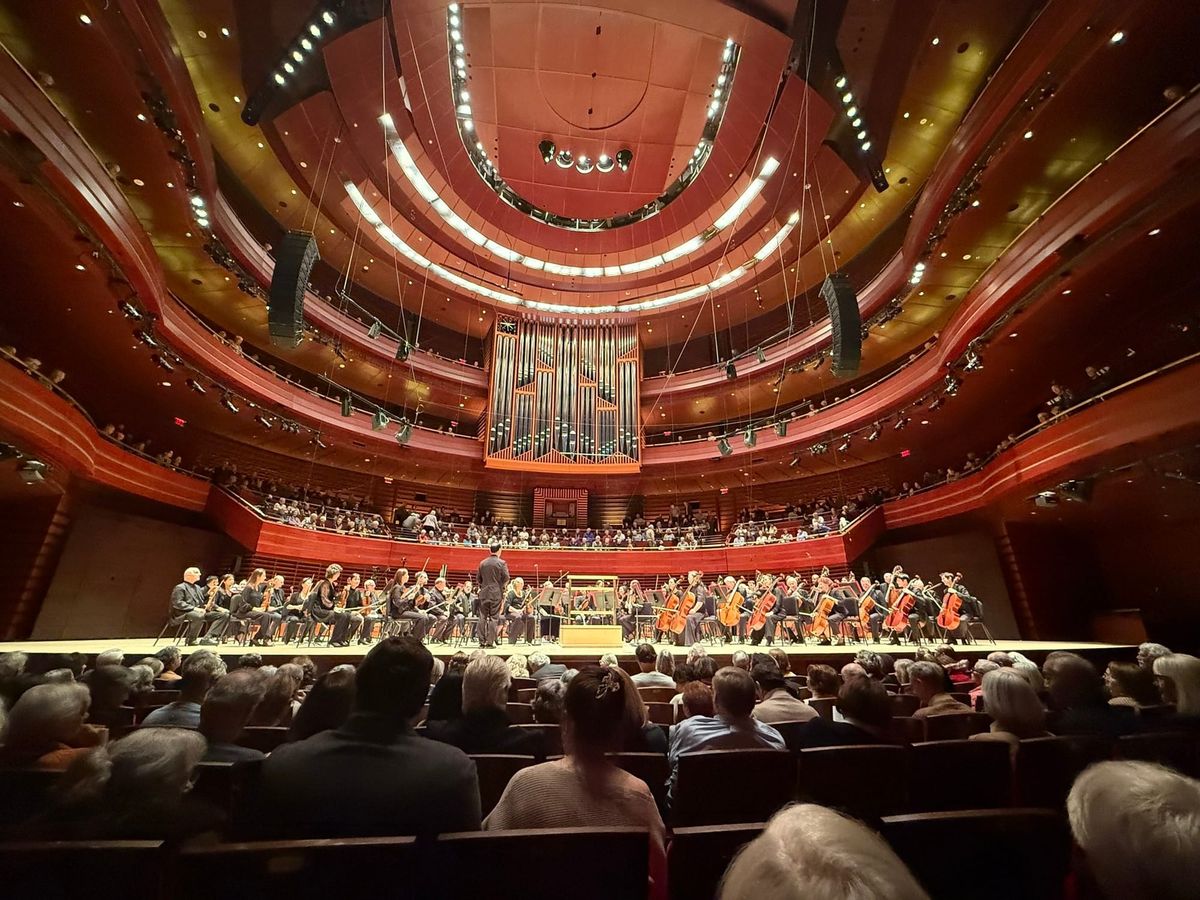
Yannick Nézet-Séguin, Music and Artistic Director
Emanuel Ax, Piano
Program
STILL Wood Notes
BEETHOVEN Piano Concerto No. 3
BRAHMS Symphony No. 3
Hoping to hear Ax's sound again, I took the 9:00 a.m. train to Philadelphia on Sunday, November 1st. At 11:30, I asked the box office if I could swap my seat from the upper to the orchestra, but no seats were available. Anderson Hall, home of the Philadelphia Orchestra, was built before Sawallisch retired, and I attended a performance of Beethoven's Symphony No. 9 for their final concert. The lobby's glass exterior walls let in plenty of fresh autumn sunlight. I had a delicious omelet nearby. The area around the venue was tranquil, and I enjoyed my time there. I listened to a beneficial lecture on Still's revisions. Reading the poems that influenced him moved me. When I opened the program notes, each piece came with a helpful explanation. It was Halloween weekend. The venue was packed with veteran audience members. I asked at the box office again, and they swapped me for a seat in the middle of row 12, which became available. When the opening time arrived, I entered from the side of the stage. English hornist Elizabeth Starr Massoudonia was playing a Still passage. I watched Anderson's sound for the first time since April. She seemed to notice me and waved. I still remember her singing in the final act of Tristan and Isolde.
The wood resonated warmly. It was filled with air. The newly renovated David DeFen Hall in New York is also made of wood, but rather than the airy resonance of timber, the sound is already present in the space. While the design is incredibly meticulous and eliminates any sense of time lag, Anderson Hall in Philadelphia lets the sound flow through the air. I asked an usher named Carol about Ax, and it seemed to be very familiar to Philadelphians. I asked a few other audience members, but their opinions varied. Watching them felt more like a group of children playing together in a neighborhood park than Carnegie or Lincoln. I was surprised when I saw the program and discovered they were playing Brahms's Symphony No. 3. I'd thought it was the same Symphony No. 4. When I sat down, a volunteer sat next to me. Apparently, a ticket had just become available, and someone had bought it. I don't know why she was in the middle, but I was not. This time, I bought several other tickets. Even though I looked the box office attendant in the eye and told her the seat number, she offered me a seat a few seats away. I don't understand that either. Philadelphia has a thorn inside. Something precious and lost is hidden in the sound of the Philadelphians. I was so intrigued by this; I really wanted to hear their Brahms this time. However, after hearing Yannick and the Philadelphia Orchestra's Verdi Requiem at Carnegie Hall in 2012, he immediately followed it with Mahler's Symphony No. 9. I stopped going to Philadelphia. Still, looking back, I often realize that the Verdi I heard with my friend 13 years ago, with Maria Pavlovskaya in the second row, was Yannick's true art. It was insane. It was so powerful. It's still etched in my memory. Now, Yannick is one of the most important conductors in the American classical music industry, not only globally but also worldwide, alongside Nelsons in Boston and Dudamel in New York. He revived the Philadelphia Orchestra after it filed for bankruptcy, and he maintains a packed schedule, working with American composers and young talent, conducting operas, and making guest appearances.
This year, especially as he turns 50, he will conduct almost all of the Romantic period, from chamber versions of Mozart's Don Giovanni and Piano Concerto to Brahms' Symphonies, Wagner's Tristan und Isolde, and Bruckner's 3rd and 8th symphonies in the spring. He will be spending New Year's with Wiener. How will his 51st year in the classical music world loom?
Before the performance, Yannick congratulated Ax in an announcement. It was like a guided ride at Disneyland. The audience's excitement was palpable. Yannick is a maestro. Perhaps the Philadelphia audience, where the maestro guided the ride, was passionate European soccer fans. Even a star athlete can be criticized if they lose. The band members were slightly different for each song than they were at their New York gig. Still began. It was like Fantasia. That dream world where Stokowski collaborated with Disney animation. It reminded me of the American Tom & Jerry, The Adventures of Tom Sawyer, and Anne of Green Gables, which I watched as a child. That impression was strong. It was more intimate than Carnegie, and Still's worldview unfolded. This Philadelphia Acoustic is deeply rooted in the American spirit. The most essential elements are the audience and the orchestra members. Time stood still with Beethoven. The audience around me felt like a family dining at the following table. And then I saw the secret behind why Ax has remained so beloved. It was while listening to the second movement.
I saw his path; who knew how cruel the human heart can be. They had seen the hearts of Mozart and Beethoven. At the time, they wrote music to make a living. And the reason music remains close to people's hearts more than 200 years later is that it inhabits people like Ax. Yannick is one of them. I couldn't remember the encore Ax played at Carnegie, so before the Brahms, I asked the cellist Jiayin He. He kindly asked the other musicians, so I told him to come back later. I thanked him for Beethoven and headed back to my seat, but the ladies in my row kept asking me if I was there. I wondered if their seat had their name on it, and they let me in. I'm a stranger.
Unlike Carnegie, Anderson Hall in Philadelphia seems to treat its acoustics as its own private sanctuary. All the principals, except concertmaster Kim, are women. Joseph Conyers is principal double bass. His balance was incredible. The music was delicate and precise, with a clear grain and fragrance, especially the pizzicato supporting the cello theme in the final movement and the long notes supporting the fanfares and chorales. It was so good I kept smiling. The oboe and flute also had a rich, vibrant tone. At Carnegie Hall, the cello tutti was sung with masterful voices from the front, but this time, the back players were incredible—vivid, rich, and fresh in their lyricism. The left violin's voice was easily audible, but the cello and bass on the right were refined and tasteful. And then there were the violins and inner voices. The cello theme returned in the fourth movement, like a hammer hitting minerals buried in the earth. It wasn't in the front, but in the back. Jiayin He and others were ringing. The violin's soaring tremolo was also intense. I think the overall sound of the strings, before the glissando at the end of the first movement and the consordino in the fourth movement, is a signature of the Philadelphia sound. The sounds build up and then, for just a moment, they emit a powerful brilliance. It's the kind of divine whisper that Brahms must have seen. I just smiled, and for a moment, Juliet Kang, next to Kim, seemed to turn and look at him. At that moment, perhaps the god Brahms had descended on them, too.
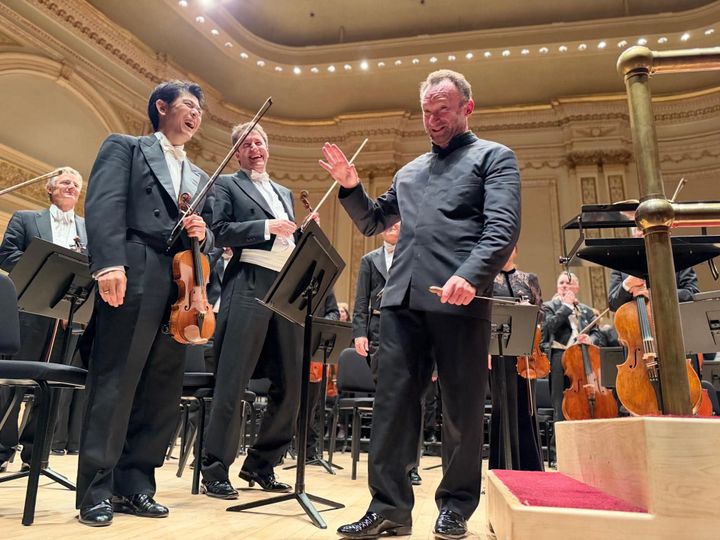
Yannick instantly captured their hearts, painting them like a modern abstract artist with a fresco. He scooped up those delicate, chaotic feelings before they dried up and released them directly into us. Amid this lightness and speed, numerous stories were born: the poetry of Black America, Beethoven's poetry and space, and Brahms's Third Symphony. From Still's beautiful, poetic portrayal of the origins of American-African classical music to Ax's soul-touching Beethoven and contemporary Philadelphian Brahms, the performance connected with me and lingered in my mind like a fleeting moment. After the piece finished, Yannick carefully introduced each soloist. From my seat in the middle, I learned a lot, something I wouldn't have experienced from the front. This time, I decided to go to Philadelphia on a whim, so I bought the tickets the day before. Since it was close, the travel and meal were very relaxing. At this performance, I experienced the secrets of the Philadelphia sound and its magnificent history. There's a lot you can only understand if you're there. I took the train home and was drinking beer in New York by 8 o'clock—cheers to Philly and Yannick.
アックスの音色をもう一度確かめたくて、11月1日の日曜日の午後、朝9時の電車でフィラデルフィアに向かった。11:30にボックスで上の階から下の席に交換してもらえるか尋ねたが、なかった。フィラデルフィア管弦楽団のホーム、アンダーソンホールはサヴァリッシュが引退する前に出来て、ベートーベンの9番が最後の公演で聴きに行った。ロビーにはガラス張りの外壁から秋の新鮮な太陽の光がたっぷり入り込む。近くでとてもうまいオムレツを食べた。べニューの周りはとても閑静でゆっくり時間を楽しんだ。スティルの校訂について、とても親切なレクチャーを聞いた。影響を受けた詩を読んで胸を打たれた。プログラムノートを開くと、どの曲もとても親切に説明が書いてあった。ハロウィーンの週末。ベテランのお客さんで溢れている。もう一度ボックスに尋ねると12列目の真ん中が空いたので交換してもらった。会場時間になり、ステージの横から入ると、イングリッシュホルンのエリザベス・スター・マソウドニアが、スティルのパッセージを奏でていたので、4月以来のアンダーソンの音色を眺めていたら、気が付いたのか手を振ってくれた。彼女のトリスタンの枯れた終幕の歌は今でも覚えている。木の暖かな響きがする。空気を沢山含んだ響きがする。改装されたニューヨークのデビットデフィンホールも木でできているが、空気を含んだ木の響きというよりは、音が空間に既に存在している。響きの時間差を感じさせない物凄く綿密な設計を感じるが、フィラデルフィアのアンダーソンホールは、音色の感触がそこに流れている空気に乗って伝わってくる。キャロルというアッシャーがいて、アックスについて尋ねてみたら、フィラデルフィアではとても馴染み深い様子が伝わってくる。他のお客さんにも数名尋ねてみたが、人によって違う。彼らの様子を見ていると、カーネギーやリンカンと違い、近所の公園で子供たちが入り混じって遊んでいるのと似ている。プログラムを開いて今回はブラームスの3番をやることを初めて知って焦った。ずっと同じ4番だと思っていた。席に着くと、横にボランティアをしている方が座った。直前に空いてチケットを取ったそうだ。なぜ、私よりも真ん中なのかよくわからない。今回は他にも数枚買った。席番号を目の前のチケット係に目を見て伝えているのに、その数席横の席を何度も進められた。それもよくわからない。フィラデルフィアには棘がある。フィラデルフィア管弦楽団の音色には失われてきた大切な何かが眠っている。私はそこがとても気になったので今回、彼らのブラームスを聴きたいと強く思った。しかし、2012年にヤニックとフィラデルフィアのベルディのレクエムをカーネギーホールで聴いて以来、そして、彼はすぐにマーラーの9番を演奏した。そして、私はフィラデルフィアに行くのをやめたが、今思い出すと、13年前、2列目のマリア・パブロフスカヤの前で、その友人と聴いたあのベルディがヤニックの真のアートだったんだと思うことがよくある。めちゃくちゃだった。とても強かった。今でも刻まれているからだ。そして今、ヤニックは世界ではもちろんだが、特にアメリカのクラシック産業では、ボストンのネルソンス、ニューヨークに来るデュダメルと並んで最も重要なデリジェントだ。破産申告をしたフィラデルフィア管弦楽団を再生し、アメリカの作曲家、若い才能の起用、オペラやほかのゲストとの掛け持ちと世界でも大変充実したスケジュールで活動している。特に50歳を迎えた今年は、モーツアルトのドンジョバンニやピアノ協奏曲の室内楽版から、ブラームスの交響曲、ワーグナーのトリスタンとイゾルデ、春にはブルックナーの3と8の指揮を執るため、ほぼロマン派を網羅する。さらに、新年はウィーンとニューイヤーを過ごす。彼の51年目の門出はこれからのクラシック界をどう占うのだろう。
演奏前にヤニックが放送でアックスを祝う言葉を述べた。まるでディズニーランドのガイド付きのアトラクションの様だ。聴衆たちのわくわくが伝わってくる。ヤニックは世界のマエストロだ。マエストロがアトラクションのガイド役を務めるフィラデルフィアの聴衆は、ヨーロッパの熱烈なサッカーファンなのか。スター選手でも負ければぼろくそに言われるのだろうか。メンバーは曲ごとにニューヨークと少し違っていた。スティルが始まった。まるでファンタジアの世界だった。ストコフスキーがディズニーアニメとコラボしたあの夢の世界。子供の頃見た、アメリカのトムとジェリーやトムソーヤの冒険、赤毛のアン。そういう印象が強い。カーネギーよりも親密でスティルの世界観が豊に広がる。このフィラデルフィアアコースティックはアメリカの精神に深く根ざしている。そして、その一番大事な要素はお客さんであり、オーケストラのメンバーだ。ベートーベンでは時間が止まった。周りのお客さんの意識も、隣のテーブルで食事する家族の様に伝わってくる。そして、アックスがなぜ人々に愛され続けてきたのか、その秘密が見えた。2楽章を聴いているときだった。アックスがたどってきた道を見た。人間の心がどれほど残酷か知っている人の調べだ。彼らはモーツアルトやベートーベンの心を見てしまった人たちだ。当時彼らはただ生きるために必死で曲を書いた。そして、200年以上たっても人々の心に寄り添い続けるのは、アックスの様な人間に音楽が魂を宿すからだ。ヤニックもその一人なのだ。休憩は15分だった。カーネギーでアックスが弾いたアンコールの曲が思い出せず、ブラームスが始まる前に、チェロのJiayin Heに声をかけた。彼は親切にも他の楽員にも尋ねようとしてくれたので、後でと、ベートーベンのお礼を言って席に戻ろうとすると、同じ列のはじのおばちゃんたちが、本当にお前の席かと何度も聴かれたので、あなたの席にあなたの名前は書いてあるのかと尋ねてみたら入れてくれた。私はよそ者なのだ。
アンダーソンホールのフィラデルフィアはカーネギーと違って、彼らはここのアコースティックを自分の庭にしているようだ。コンサートマスターのキム以外が全員女性のプリンシパル。コントラバス首席は黒人男性のJoseph Conyers。この方のバランスがやばかった。繊細にくっきりと、その粒や香り、特に終楽章のチェロのテーマを支えるピッチカートや、ファンファーレやコラールを支える和声の響き。もう笑いが止まらないくらいうまかった。オーボエとフルートも、響きも音色も物凄く充実している。チェロのトゥッティが、カーネギーでは前のプルトが卓越した歌を奏でてくれたが、この日は、後ろがすごかった。鮮やか、豊、そして新鮮。左は放っておいても耳に入るが、この洗練され味わい深い右のチェロとベース。そして、バイオリンと内声部。4楽章のチェロにテーマが戻ってきた時の鳴りが物凄かった。土の中に眠っていた鉱物にハンマーが合ったって響いた感じ。それは前ではなくて後ろだった。Jiayin Heたちが鳴っていた。バイオリンの駆け上がるトレモロも強烈だった。弦楽器全体の鳴りが、1楽章の終わりのグリッサンドや4楽章のコンソルディーノの前は、これがフィラデルフィアサウンドのシグネチャーだと思う。音がどんどん積まれて行って、一瞬だけ強烈な輝きを放つ。ブラームスが見たであろう神のささやき。私は笑っていた。
そしてほんの一瞬、キムの横にいたジュリエット・カンが、彼の方を振り向いたように見えた。あの瞬間、彼らにもブラームスの神が降りていたのかもしれない。
ヤニックは、彼らの心を瞬時に掴み、まるで現代抽象画をフレスコのように描く。感情が乾く前の、その繊細で混沌とした気持ちをすくい上げ、そのまま音楽の中に解き放つ。その軽さとスピードの中で、いくつもの物語が生まれていく。ブラック・アメリカンの詩情、ベートーヴェンの詩と余白、そしてブラームスの第3番。アメリカ=アフリカン・クラシックの原点を美しい詩情で描いたスティルから、人の心の奥に寄り添うアックスのベートーヴェン、そして現在のフィラデルフィアが奏でるブラームスを、一瞬の出来事の様に、繋げて人の心に残した。曲が終わると、彼はソリストをひとりひとりそれは丁寧に紹介してくれた。前では体験できないことを真ん中の席で沢山教わった。今回、突然フィラデルフィアに行こうと思って前日にチケットをとり、近いので移動中や食事はとてもリラックスできた。この公演では、フィラデルフィアサウンドの秘密をその壮大な歴史と体験した。実際、そこに行かないとわからないことだらけだ。帰りはすぐ電車で帰り、8時にはニューヨークでビールを飲んでいた。フィリーとヤニックのこれからに乾杯だ。
Comments ()