The Voices of the Dead
Lincoln in the Bardo: Music, History, and Division
10.19.2026
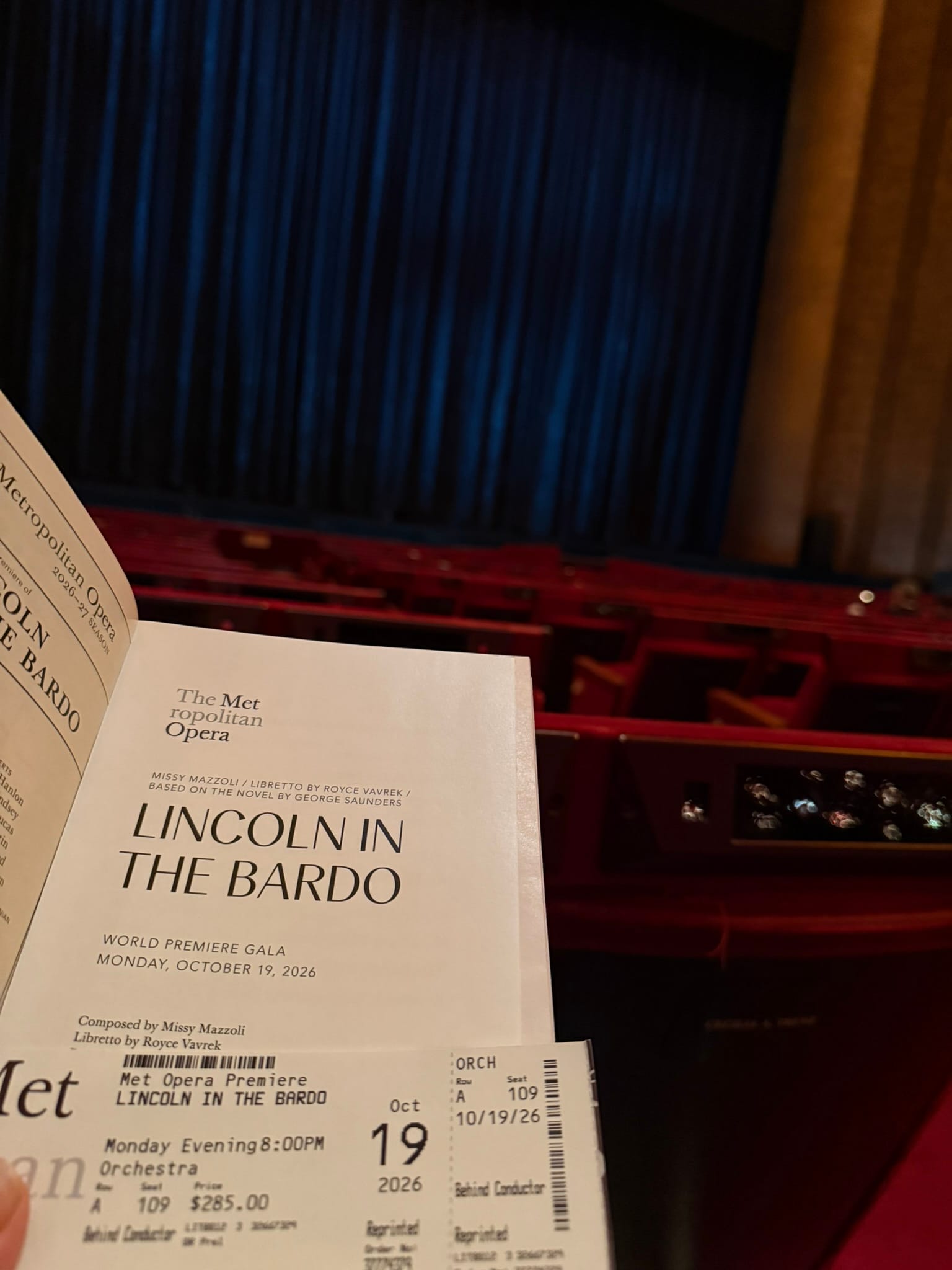
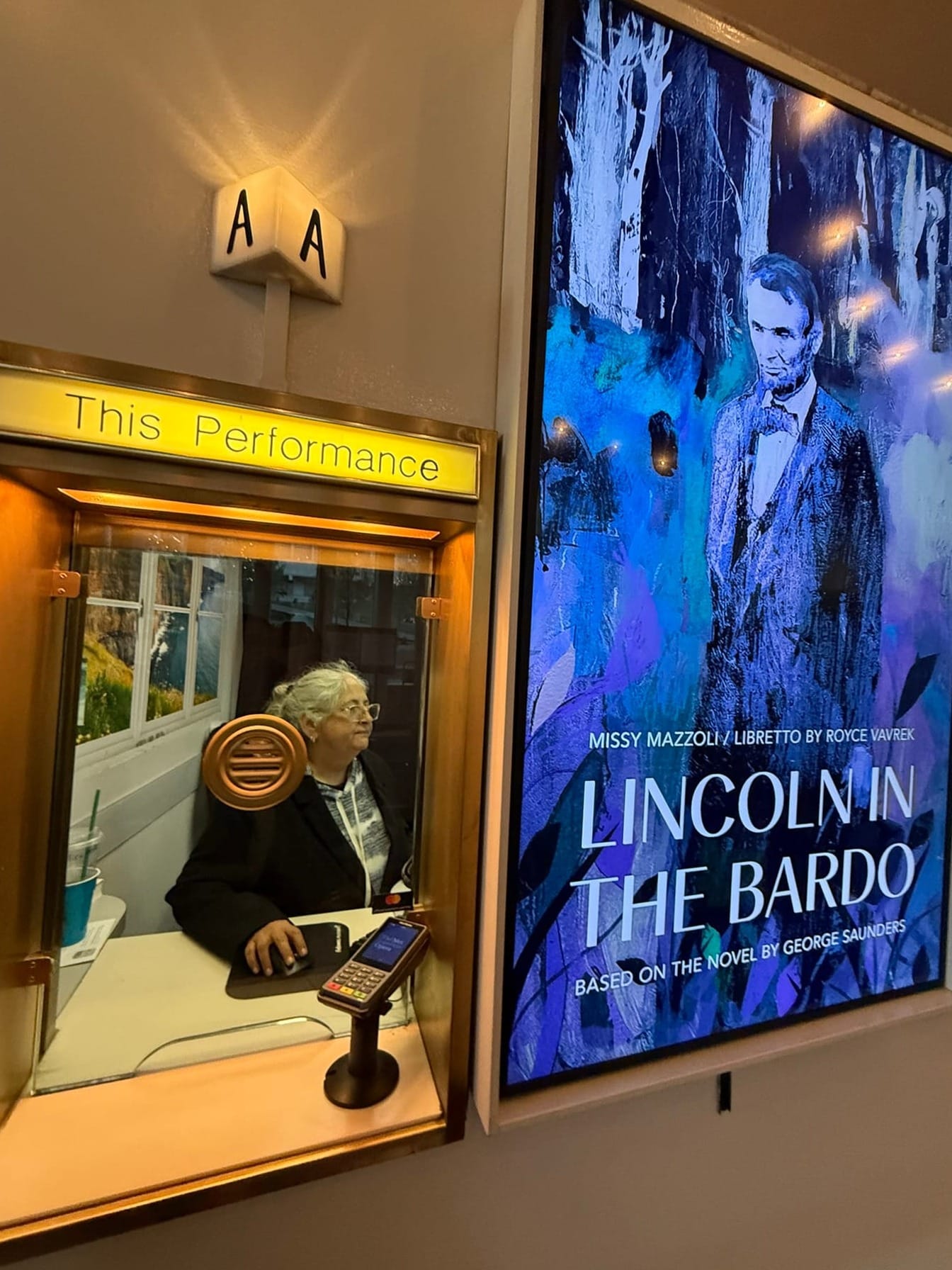
Lincoln in the Bardo, a new opera by American composer Missy Mazzoli, premiered at the Metropolitan Opera. Royce Vavrek, Mazzoli’s longtime creative partner, wrote the libretto, based on George Saunders’s 2017 novel of the same name. Nearly a decade after the book’s publication, the story has taken on a new form through opera.
The story is set in Oak Hill Cemetery in Washington, D.C. The dead remain in a realm called the bardo, a space between life and death. Unable to accept that they have died, they believe they will eventually recover and return to their former lives.
At the center of the story is Abraham Lincoln, who has lost his young son, Willie Lincoln. Yet this is not simply an opera about a president’s grief. The pain of a father who has lost his child is placed alongside the experiences of those who died in the Civil War and those whose lives were taken by the violence of slavery. Somewhere onstage, Willie watches the bardo's inhabitants. Through a child's eyes, the worlds of politics, war, and national history are illuminated from another perspective.
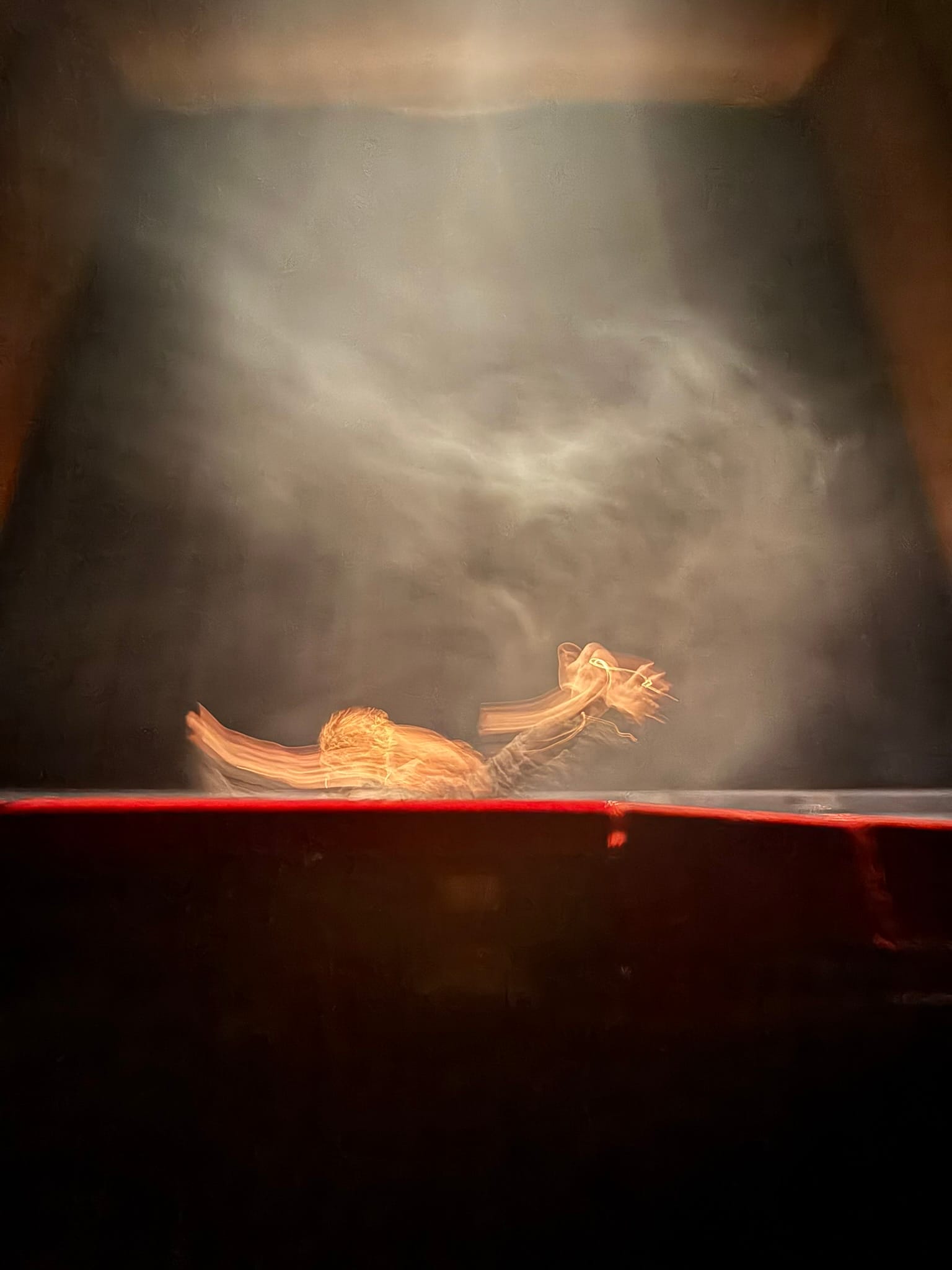
Several explosions erupted during the performance, and the smell of gunpowder reached the audience. In those moments, I felt this was not an opera merely depicting history. The traces of the Civil War, a distant past, entered my body through smell. The violence and death behind the struggle for freedom became a physical reality.
That sensation extended beyond America's history. The struggle for freedom, the violence that repeatedly accompanies it, and the conflicts that continue around the world today all came to mind. The sounds and smells emerging from the stage made these realities feel less like events happening somewhere far away and more like questions connected to each of our bodies.
The Music and the Time of the Bardo
When I entered the auditorium before the performance, a drone-like sound was already playing, much like ambient sound. Before the story even began, the audience was placed in an acoustic space.
Yet once the opera started, I was surprised by how little sound there seemed to be. Rather than enveloping the drama in a massive orchestral sound, individual instruments emerged almost as solo voices. Strings, brass instruments positioned on either side, and bass each contributed to a drone-like texture, appearing in the spaces between the voices and movements onstage.
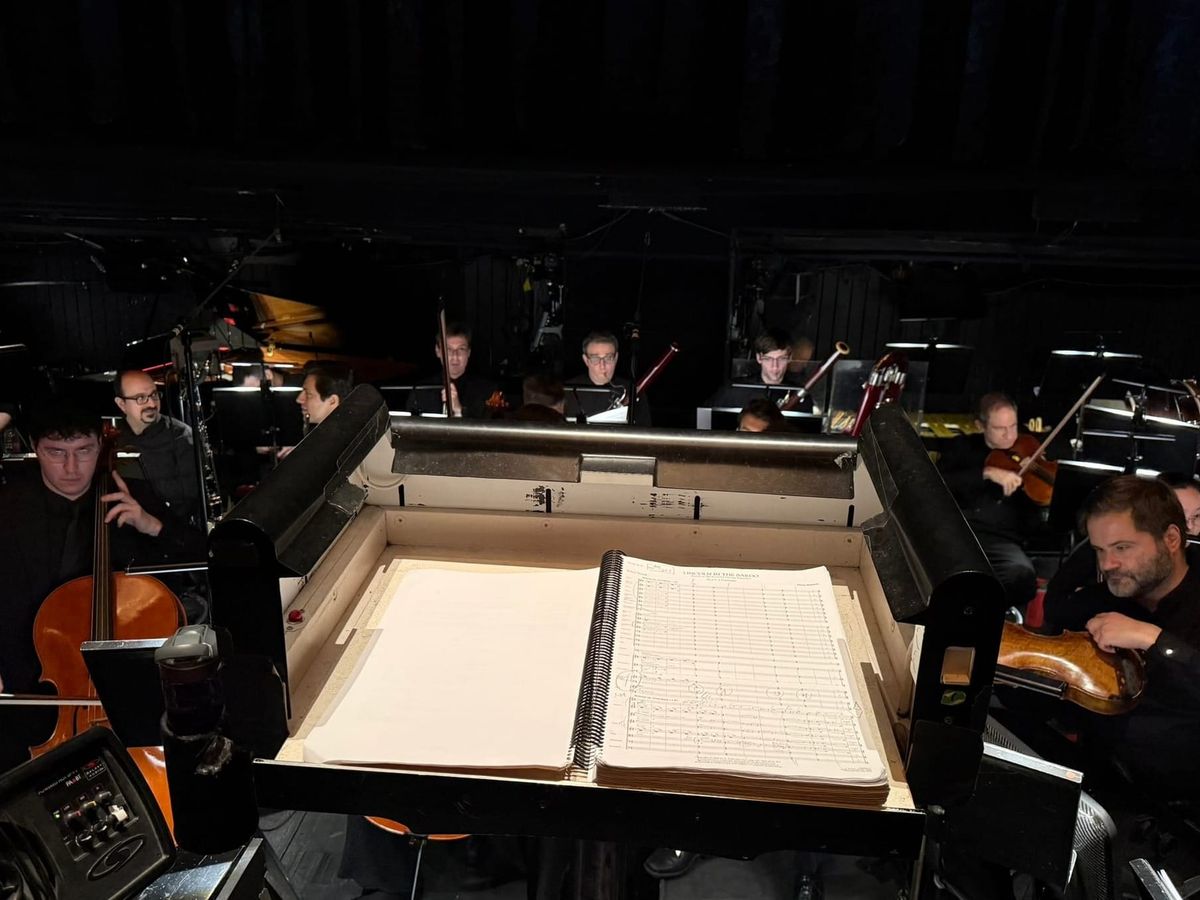
The dead move in strange forms as physical performances and visual effects unfold one after another. When I focused on the stage, the orchestra naturally receded into the background. But when I looked into the pit, I saw the Metropolitan Opera Orchestra's experienced musicians at work. With piano and celesta among the instruments, each player maintained an individual timbre while contributing to the stage's larger acoustic environment.
Why, then, had Mazzoli not chosen more regular, predictable rhythms? The instruments entered at different moments, and the music moved in directions I had not anticipated. The shifting meters unsettled my ability to predict what would come next, making time hard to grasp.
The inhabitants of the bardo cling to the past, trying to return to lives already lost. For them, time does not move in a clearly defined direction, as it does in the world of the living. I found myself wondering how the complex rhythms related to this unstable sense of time. The music itself unsettled my perception of time.
The chorus was divided into several groups, from which individual voices emerged. Even within the collective sound, each voice retained its individuality, and each singer was given solo passages. The relationship between the individual and the group seemed embedded in the music's very structure.
In this respect, I thought of Kaija Saariaho's works. Individual voices and sounds seem to lie hidden everywhere. When I turned my attention to them, presences I hadn't noticed before emerged from the larger texture.
Mazzoli’s music also evokes film and animation. The stage has an almost Halloween-like atmosphere, and the strange transformations and humorous episodes of the dead lend another dimension to an otherwise heavy story. Yet the music is not merely an accompaniment to a film or musical. The timbres of individual instruments and the relationships between sounds form a distinctive structure in their own right as contemporary music.
The Metropolitan Opera Orchestra has long performed the great operatic works of composers such as Wagner and Mozart. Now, its musicians are playing the music of a contemporary composer who has worked in Brooklyn. The pit is filled with accomplished musicians from both older and newer generations. Among them, I was particularly struck by a cello solo played by Noah, who joined the orchestra in 2026. I thought of Wagner and Mozart not because Mazzoli’s musical style resembled theirs, but because the singers, orchestra, and onstage events were interconnected, shaping the drama as a whole.
Christine Goerke’s singing as the Reverend also left a strong impression on me. Although she portrayed a lively character who helped drive the action, her voice had its own beauty, expressive richness, and commanding stage presence. Her singing carried a weight that reminded me of Wagner.
Meanwhile, the accompaniment supporting Lincoln’s singing had a depth unlike that of the other scenes. The music did not stay in the background; it seemed to enter the character’s inner life. Lincoln is both a president and a father who has lost his son. The accompaniment seemed to carry the grief that his voice alone could not fully express, along with the national history extending behind it.
Beyond Accessibility
Mazzoli moves freely among contemporary music, pop, rock, film music, and classical music. In interviews, she has said she doesn't want opera to remain an art form confined to the past. She has also hoped audiences will leave her works with more questions than answers. Her approach reflects the idea that entertainment and artistic value need not be treated as opposites.
The production has an inviting quality reminiscent of American animation. The dead's strange appearances and humor draw the audience into the opera's world. Even as it addresses death, loss, and war, the work lets the audience enjoy the spectacle at first. There were many vine-covered ghosts, frequent clouds of smoke, and moments when I felt the stage was overcrowded with performers. Even so, I found myself drawn into the production's world. Despite everything happening onstage, I never felt the music and the drama lost their continuity.
Mazzoli is not replacing contemporary music with something easier to understand. The familiar visual language and humor provide an entry point, but beneath them lie a complex musical structure, the voices of the dead, and questions of history. Audiences can enter the work in different ways: by following the story, listening closely to the music, or reflecting on American history.
I was reminded of the shock I felt when I first saw Shakespeare’s Othello. The characters act according to their individual circumstances, each living in their own reality. The audience becomes absorbed in the drama. But the experience does not end with following the events onstage. Beyond the tragedies of individual characters, we begin to see the social forces that drive people toward destruction and the problems of the world in which we ourselves live.
Lincoln in the Bardo is also more than a historical recreation. It is an opera that invites us to reconsider the present through the voices of those who lived in the past.
Listening to the Pain of History Through the Body
Lincoln is portrayed as a father unable to accept the death of his son. Yet behind his grief stand the countless people who lost their lives in the Civil War. Among the dead onstage are also those whose lives were taken by the violence of slavery. The history of a nation founded on the ideal of freedom shares the same stage as the experiences of people denied freedom and dignity within that society.
From the founding of the United States to the present, proclaiming freedom as an ideal and ensuring that every person in society actually experiences freedom are not necessarily the same thing. Behind a nation's grand narrative lie the individual sufferings left out of its story.
When an explosion erupted onstage and the smell of gunpowder reached the audience, I could no longer view that history as something belonging to the distant past. The history of the United States is not simply a story of ideals and aspirations. It is also a reality in which people have died, bodies have been wounded, and the smell of war has lingered. Through smell, as well as sound and sight, history entered the body.
Joshua Blue's singing as Thomas Havens, who ultimately draws close to Lincoln, also left a deep impression on me. He, too, is one of the dead suspended between life and death, and in life he was enslaved. His voice conveyed the presence of a human being who, even in this world inhabited by wandering spirits, reaches out to others and seeks to share hope for the future. Beyond national history and political ideals, one human being offers companionship to another. As I listened to his singing, I felt drawn back from the world of the dead into the world of the living.
The work confronts us with a difficult reality: the wounds of the past do not disappear simply because someone acknowledges them. Yet by listening to others' voices, someone enclosed in personal grief may begin to recognize realities beyond their own world.
Lincoln, too, encounters the experiences of the dead and can no longer remain confined to his own loss. I feel that the heart of this opera lies at the intersection of personal grief and national history.
Is the Bardo So Far Removed from Our World?
The inhabitants of the bardo do not realize they are dead. They believe they will eventually return to their former lives. They remain attached to a lost world, refusing to acknowledge that it has ended.
Watching them, I thought of the wealthy audience members seated in the Metropolitan Opera. I also thought of people spending an ordinary evening in a bar, watching baseball on television.
Of course, audiences in an opera house and people watching a game in a bar are not the same as the dead. There is nothing inherently wrong with enjoying everyday life. Yet I could not help thinking about the distance between the routines that continue unchanged and the world of war and the dead depicted onstage, even as events unfold outside those familiar spaces.
Even as society undergoes profound upheaval, people can remain in the worlds they know. They can continue their daily lives without looking at what is happening beyond them. The bardo is a realm of the dead, but it can also feel like a form of time in which people remain trapped in a former world, unable to acknowledge that reality has changed.
The work asks us: What is happening beyond the familiar worlds in which we live? Why do division and violence continue to recur even in societies that proclaim freedom and justice? Are we truly looking at these realities?
Willie is present somewhere onstage, constantly watching the adults' world. Through his gaze, the audience considers not only the adults' words and ideals, but also the consequences of their actions.
Division Beyond the Stage
In this work, different artistic elements—music, singing, physical performance, and stage design—combine the pain of individual human beings into a unified whole. The collective does not swallow individual voices. They coexist while retaining their differences. Pain that had remained isolated amid division becomes something others can hear.
Yet in the theater, the audience is divided in another way.
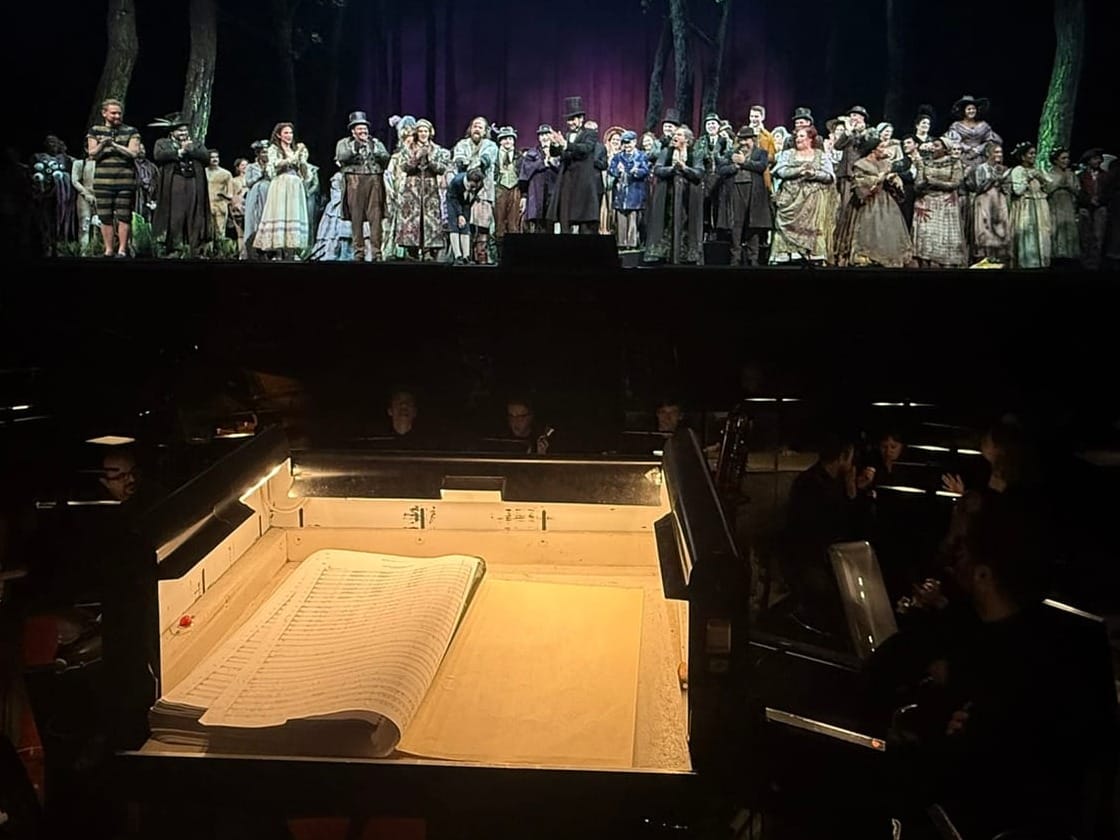
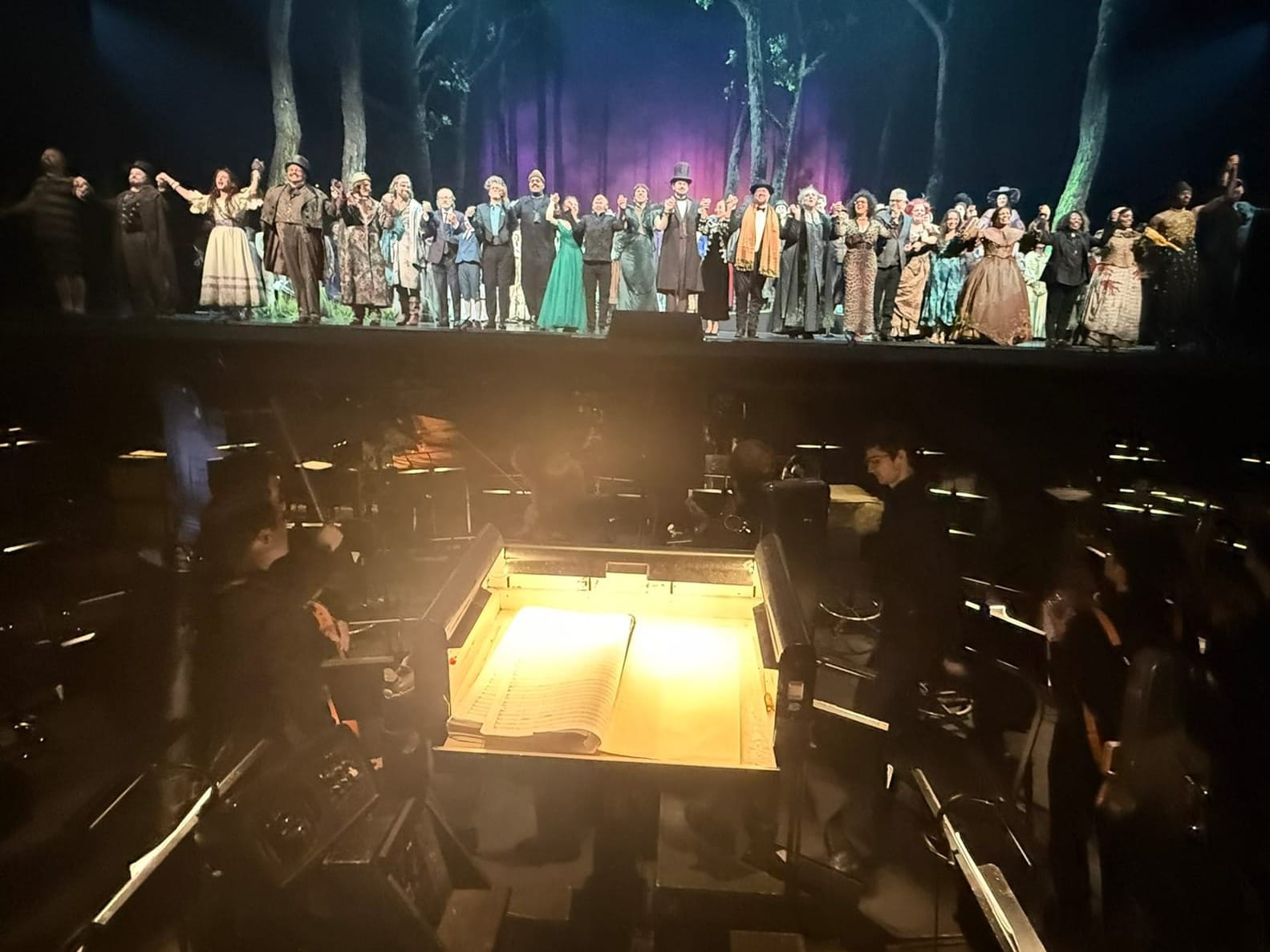
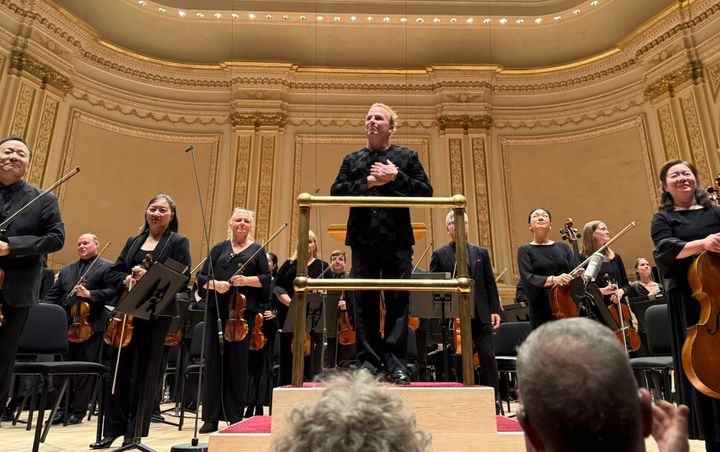
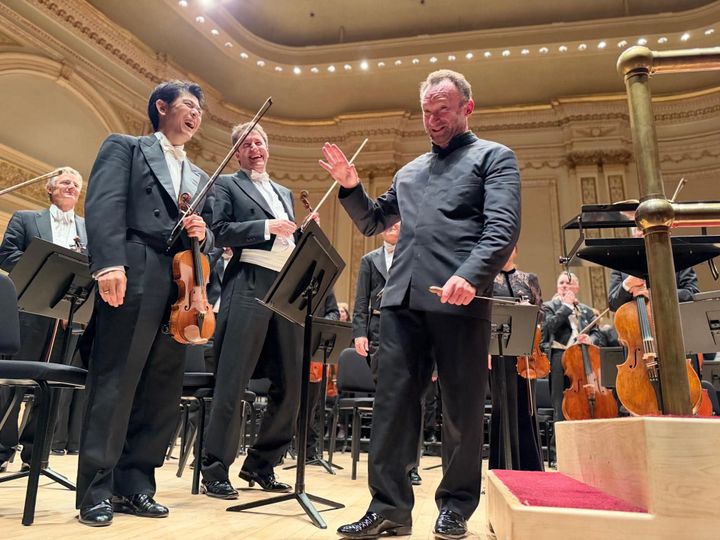
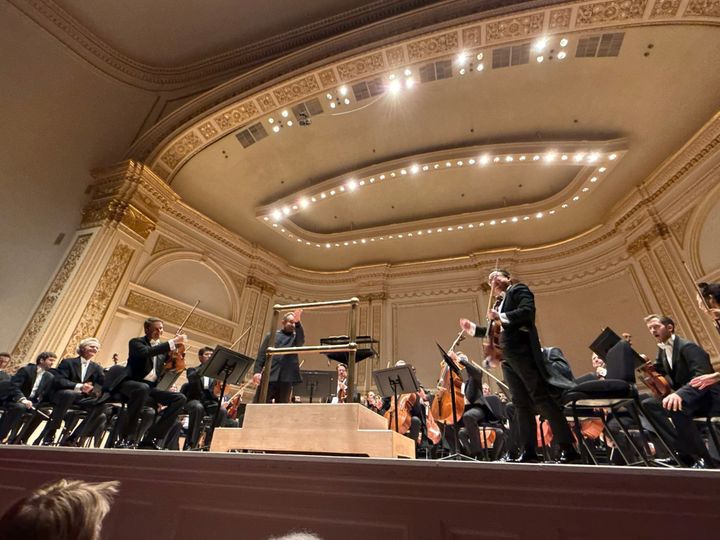
When I purchased my ticket through the subscription program, I was told the first eight rows were reserved for major donors and unavailable to general ticket buyers. Later, when seats became available, I could exchange my ticket at no additional cost for a seat behind the conductor, Yannick Nézet-Séguin. As a result, I got to hear the performance from an exceptional vantage point. But this experience made me realize that seating is not simply about where one listens to music. It also reveals whom the institution chooses to prioritize.
Of course, a theater needs funding to operate, and I understand that donor support makes it possible to produce and present new works. I don't want to dismiss galas or the theater’s expressions of gratitude to its benefactors. Yet the system that supports the arts and the system that separates audiences by financial means are intertwined.
Looking at the seats reserved for donors, I felt a different kind of division from the one depicted onstage: the persistence of an old class system. Wealth and social status determine where people sit and who receives priority. Yet the dead singing together onstage showed that people with different experiences might listen to one another.
Art's value emerges when audiences listen, reflect, and carry their own experiences away with them. Onstage, the possibility of listening across divisions came to life. But who has access to the place where this work is shared?
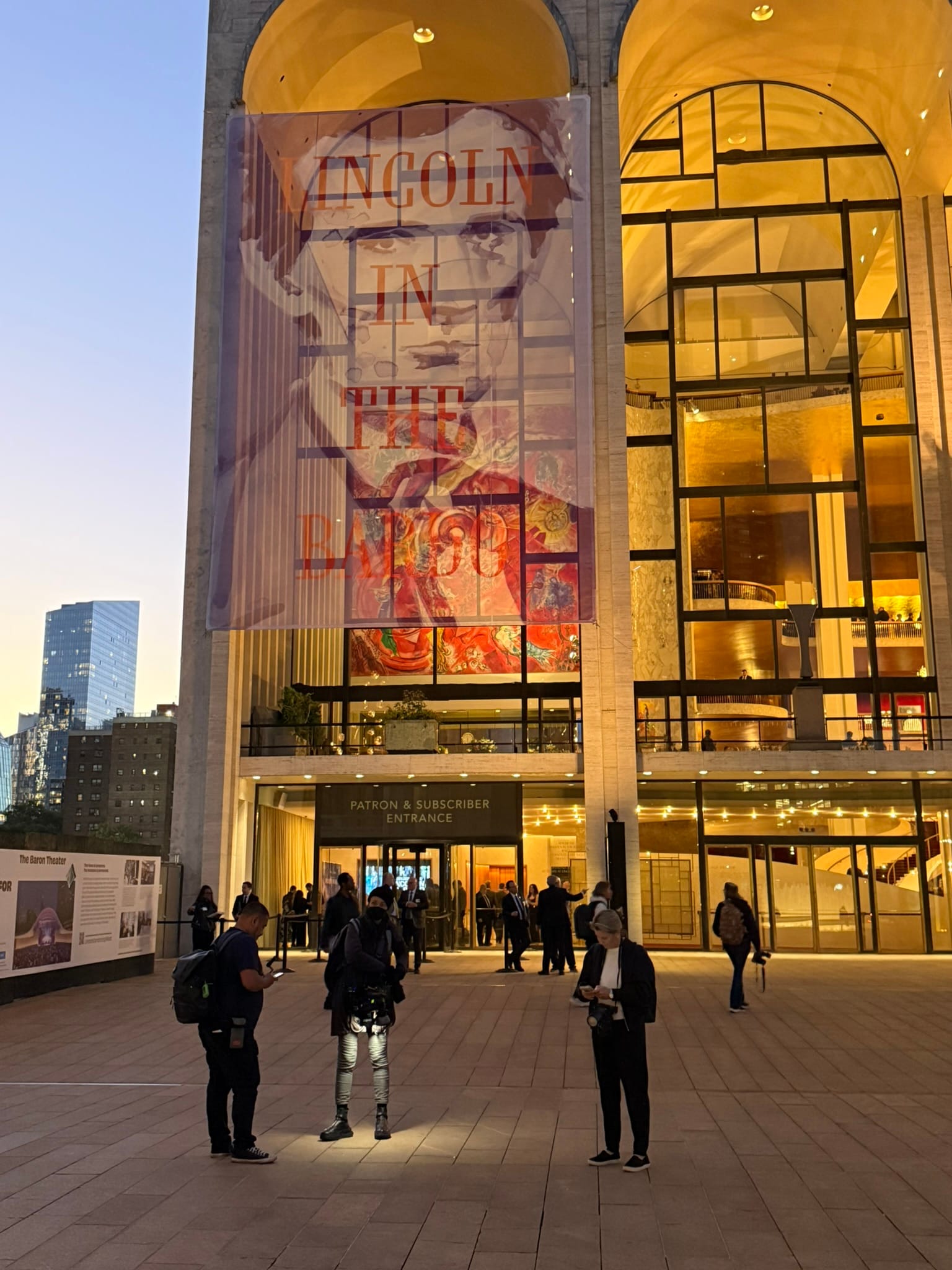
Showing gratitude to donors and dividing audiences through entrances and seating arrangements are not necessarily the same thing. I want a theater where every audience member can enter through the same main entrance. This is not a rejection of the contributions made by donors. Rather, I want to welcome those who support the arts and those who come to experience them, without separating them into different social classes.
Onstage, individual voices come together, allowing different people's pain to coexist within a single work of art. Outside the stage, however, economic power shapes the experiences audiences can access.
Art seeks to overcome division, but does the system that sustains art reproduce that very division?
The question is how to secure the funding needed to sustain the arts while creating spaces where everyone can encounter them. How a theater chooses to welcome its audience and what kinds of relationships it seeks to build are inseparable from the question of what art can be.
The individual pain born of division moves toward liberation through the convergence of different artistic elements.
This is the possibility I took away from Lincoln in the Bardo. Liberation here does not mean that past tragedies disappear or that social divisions are resolved. It means that individual pain finds a voice and encounters the voices of others. Experiences once isolated become something someone else can hear.
Onstage, the voices of the dead intersect, bringing to light suffering history has overlooked. What will we carry away after hearing those voices and leaving the theater?
Is it enough for art merely to portray social divisions onstage? Or should the spaces where we share art also question those divisions?
The smell of gunpowder and the voice that ultimately drew close to Lincoln remain with me. Listening to the voices of the dead from the past also means looking again at the world we live in today. And considering what kind of place should exist for sharing that art is itself part of the experience of listening.
死者たちの声
《Lincoln in the Bardo》——音楽、歴史、そして分断
アメリカの作曲家 Missy Mazzoli が最近ブルックリンで書いた《Lincoln in the Bardo》がメット・オペラで公開された。彼女の長年の創作パートナーである Royce Vavrek が台本を執筆した本作は、George Saunders が2017年に発表した同名小説を原作としている。小説の刊行から約10年を経て、物語はオペラという新たな表現へと姿を変えた。
舞台はワシントンD.C.オーク・ヒル墓地。死者たちは、生と死のあいだにあるバルドと呼ばれる世界にとどまり、自分がすでに死んでいることを認められず、いずれ元の生活に戻れると信じている。
物語の中心にいるのは、息子ウィリーを亡くしたエイブラハム・リンカーンである。しかし、これは大統領の悲しみだけを描く作品ではない。息子を失った父親の痛みと、南北戦争で命を落とした人々、奴隷制の暴力によって人生を奪われた人々の経験が、一つの舞台に重ねられていく。舞台のどこかにはウィリーの姿があり、バルドの住人たちを見つめている。子どもの視線が、政治や戦争、国家の歴史を別の角度から照らし出す。
上演中、舞台では何度か爆発が起こり、客席にまで火薬の匂いが漂ってきた。その瞬間、この作品が歴史を描くだけではないことを感じた。南北戦争という遠い過去の痕跡が、嗅覚を通して身体に染み込んでくる。自由をめぐる闘いの背後にある暴力と死が、現実として迫ってきたのだ。
その感覚は、過去のアメリカの歴史にとどまらない。自由を求める闘いと、その過程で繰り返される暴力。そして、今も世界各地で続く紛争。舞台から立ち上がる音やにおいが、そうした現実を遠い場所の出来事としてではなく、私たち一人ひとりの身体に結びついた問題として感じさせた。
音楽がつくるバルドの時間
開演前、客席に入ると、環境音のようなドローンがすでに鳴り続けていた。観客は、物語が始まる前から音響空間に置かれている。
ところが、オペラが始まると、意外にも音が少ないと感じた。オーケストラ全体が大きな響きで物語を覆うというより、個々の楽器がソロのように浮かび上がってくる。弦楽器、左右に配置された金管楽器、ベース。それぞれの音がドローンのような響きをつくりながら、舞台上の声や動きの合間に現れる。
舞台では、奇妙な姿をした死者たちが動き回り、身体表現や視覚的な仕掛けが次々に展開する。そちらに意識を向けていると、オーケストラの音は自然と背景へ退いていく。しかし、ピットを覗くと、そこにはメット・オーケストラの熟練した奏者たちが集まっていた。ピアノやチェレスタも加わった編成のなかで、個々の楽器がそれぞれの音色を保ちながら、舞台の音響空間を形づくっている。
では、なぜマッツォーリは、もっと規則的で分かりやすいリズムを選ばなかったのだろう。音楽では、異なるタイミングで楽器が現れ、予測した方向とは違うところへ展開していく。変拍子は、聴き手が次の展開を予測する感覚を揺さぶり、時間の流れをつかみにくくする。
バルドの住人たちは、過去に執着し、すでに失われた生活へ戻ろうとしている。彼らにとって、時間は生者の世界のように明確な方向を持って進んでいるわけではない。複雑なリズムが、この不安定な時間感覚とどのように関係しているのか。音楽を聴くこと自体が、聴き手の時間感覚を揺さぶる経験になっていた。
合唱は複数のグループに分かれ、そのなかから個々の声が浮かび上がる。集団のなかにいながら、一人ひとりの声が失われず、それぞれにソロのパッセージが与えられていた。個人と集団の関係が、音楽の構造そのものに組み込まれているように聴こえた。
この点では、カイヤ・サーリアホの作品を思い出した。個々の声や音が、至るところに潜んでいる。耳を澄ますと、全体の響きのなかから、それまで気づかなかった存在が現れてくる。
マッツォーリの音楽には、映画やアニメーションを思わせる響きもある。舞台にはハロウィーンのような雰囲気が広がり、死者たちの奇妙な変身やユーモラスな場面が、重い物語に別の表情を与えている。しかし、音楽は映画やミュージカルの伴奏に収まるものではない。個々の楽器の音色や音と音の関係には、現代音楽としての独自の構造がある。
メトロポリタン・オペラ管弦楽団は、ワーグナーやモーツァルトといった作曲家の偉大なオペラ作品を長年にわたって演奏してきた。いま、その奏者たちはブルックリンで活動してきた現代の作曲家の音楽を演奏している。ピットの中には新旧交えて精鋭が座っている。中でもチェロの2026年に入団したノアのチェロのソロが印象に残った。私がワーグナーやモーツァルトを思い浮かべたのは、音楽の様式が似ていたからではない。歌手、オーケストラ、そして舞台上の出来事が互いに結びつき、ドラマ全体を形づくっていたからである。
神父役のゴールキーの歌唱も、強く印象に残った。にぎやかに場を動かす人物でありながら、声そのものに美しさがあり、豊かな表現力と舞台上での存在感を備えていた。その歌声には、ワーグナーを思わせる厚みがあった。
一方、リンカーンの歌唱を支える伴奏には、ほかの場面とは異なる、ひときわ深い響きがあった。音楽が舞台の背景にとどまらず、人物の内面へ入り込んでいく。リンカーンは大統領であると同時に、息子を失った父親でもある。彼の声だけでは語り尽くせない悲しみと、その背後に広がる国家の歴史を、伴奏が引き受けているように聴こえた。
親しみやすさの先にあるもの
マッツォーリは、現代音楽、ポップス、ロック、映画音楽、クラシック音楽の間を自由に行き来してきた作曲家である。彼女はインタビューで、オペラを過去にとどまる芸術にしたくないと語り、作品を観た人々が答えを得るよりも多くの問いを持ち帰ることを望んでいると述べている。エンターテインメントであることを、芸術の価値と対立するものとして扱う必要はない、という姿勢も彼女の考え方に通じている。
今回の舞台には、アメリカのアニメーションを思わせる親しみやすさがあり、死者たちの奇妙な姿やユーモアが、観客を作品の世界へと導く。死や喪失、戦争という重いテーマを扱いながら、観客はまず舞台を楽しむことができる。ツタに覆われた幽霊が多く、スモッグが頻繁にたかれ、舞台上にキャストを乗せすぎていると感じる場面もあった。それでも、私はその世界に入り込めた。そして、さまざまなことが起きるなかでも、音楽とドラマの流れが失われたと感じることはなかった。
マッツォーリが目指しているのは、現代音楽を分かりやすいものに置き換えることではない。親しみやすい視覚表現やユーモアを入口にしながら、その奥には複雑な音楽の構造があり、死者たちの声と歴史の問題がある。観客はそれぞれの入口から作品に入り、物語を追うことも、音楽の響きに耳を傾けることも、アメリカの歴史を考えることもできる。
私はシェイクスピアの『オセロ』を初めて観たときのショックを思い出した。舞台上の人物たちは、それぞれの立場から行動し、自分の現実を生きている。観客はそのドラマに引き込まれる。しかし、舞台上の出来事を追うだけでは終わらない。個々の人物の悲劇の先に、人間を追い詰める社会や、私たち自身が生きている世界の問題が見えてくる。
《Lincoln in the Bardo》もまた、歴史を再現するだけの作品ではない。過去の人間たちの声を通して、現在を見つめ直すオペラである。
歴史の痛みを身体で聴く
リンカーンは、息子の死を受け入れられない父親として描かれている。しかし、彼の悲しみの背後には、南北戦争によって命を落とした無数の人々がいる。舞台に登場する死者たちのなかには、奴隷制の暴力によって人生を奪われた人々もいる。自由を掲げる国家の歴史と、その社会のなかで自由や尊厳を奪われた人々の経験が、同じ舞台に存在している。
アメリカの建国から現在までを振り返ると、自由という理念を掲げることと、社会に生きる一人ひとりが自由を手にすることは、必ずしも同じではない。国家の大きな物語の陰には、そこからこぼれ落ちる個人の痛みがある。
舞台上で爆発が起き、火薬のにおいが客席まで届いたとき、私はその歴史を遠い過去として眺めることができなくなった。アメリカが歩んできた歴史は、理想を掲げるだけの物語ではない。そこには実際に人が死に、身体が傷つき、戦争のにおいが残る現実がある。音と視覚だけでなく、嗅覚を通して歴史が身体に入り込んできた。
そして、最後にリンカーンに寄り添うトーマス・ヘイヴンズの歌声が、強く印象に残った。彼も生と死のあいだにとどまる死者の一人であり、生前は奴隷として生きた人物である。その声には、死者たちが漂う世界にありながら、他者に寄り添い、未来への希望を分かち合おうとする人間の存在感があった。国家の歴史や政治的な理想を超えて、ひとりの人間が別の人間に寄り添う。その歌声を聴いたとき、私は死者たちの世界から、もう一度、人間が生きる現実の世界へと引き戻されるように感じた。
この作品が描いているのは、過去の傷は、誰かがその存在を理解しただけで消えるわけではないという現実だ。それでも、他者の声に耳を傾けることで、自分だけの悲しみに閉じこもっていた人間が、自分の世界の外側にある現実を認識し始めることはできる。
リンカーンもまた、死者たちの経験に触れることで、自分自身の喪失だけにとどまることができなくなる。個人の悲しみと国家の歴史が交差するところに、このオペラの核心があるように思う。
バルドは、遠い世界なのか
バルドの住人たちは、自分が死んでいることに気づかず、いずれ元の生活に戻れると信じている。彼らは失われた世界にとどまり、その終わりを認めようとしない。
その姿を見ながら、私はメットの客席にいる富裕な観客たちを思い浮かべた。さらに、バーで野球中継を観ながら、いつもの時間を過ごす人々の姿も重なった。
もちろん、劇場の観客も、バーで試合を観ている人々も、死者たちとは違う。日常を楽しむこと自体が問題なのではない。しかし、外の世界で何が起きていても、自分の居場所は変わらず、いつもの生活が続いていく。その日常と、舞台上で描かれる戦争や死者たちの世界との距離を考えずにはいられなかった。
社会が大きく揺れ動いていても、人は自分の慣れ親しんだ世界にとどまることができる。目の前の生活を続けながら、その外側で何が起きているのかを見ないこともできる。バルドは死後の世界であると同時に、変化した現実を認められず、以前の世界にとどまり続ける時間のようにも感じられた。
この作品が突きつけているのは、自分たちが慣れ親しんだ世界の外側で何が起きているのか、という問いだ。自由や正義を掲げながら、なぜ分断や暴力が繰り返されるのか。自分たちは、その現実を見つめているのか。
舞台のどこかにいつもいるウィリーは、大人たちの世界を見つめ続けている。彼の視線を通して、観客もまた、大人たちの言葉や理想だけでなく、その行動がもたらす結果を見つめることになる。
舞台の外にある分断
この作品では、一人ひとりの人間が抱える痛みが、音楽、歌唱、身体表現、舞台美術といった異なる芸術の要素によって、一つの作品を形づくっている。個々の声は集団に埋没せず、それぞれの違いを保ちながら共存する。分断のなかで孤立していた痛みが、他者に聴かれるものへと変わっていく。
しかし、その作品を上演する劇場では、観客が別の形で分断されている。
私がサブスクリプションを通してチケットを購入した際、前方の8列は高額寄付者向けに確保され、一般の購入者には開放されていないと説明された。その後、空席が出たため、追加料金なしで指揮者ヤニックの後ろの席に交換してもらうことができた。結果として、私は特別な場所から演奏を聴く経験を得た。しかし、この経緯を通して、座席は単に音楽を聴くための場所ではなく、劇場が誰を優先するのかを示すものでもあると感じた。
もちろん、劇場の運営には資金が必要であり、寄付者の支援が新しい作品の制作や上演を可能にしていることも理解できる。ガラや寄付者への感謝を否定したいわけではない。しかし、芸術を支える仕組みと、観客を経済力によって分ける仕組みが一体化している。
寄付者のために確保された席を見ていると、舞台で描かれた分断とは別の、古い階級社会を感じる。富や社会的地位によって人々の場所が決まり、誰が優先されるかがあらかじめ定められている。しかし、舞台の上で声を重ねる死者たちが示していたのは、異なる経験を持つ者同士が、互いの声を聴くことの可能性だった。
芸術の価値は、観客が聴き、考え、それぞれの経験を持ち帰ることで生まれる。舞台では、分断を超えて他者の声に耳を傾ける可能性が描かれていた。では、その作品を共有するための場所は、誰に開かれているのだろうか。
寄付者への感謝を示すことと、入口や座席によって観客を分けることは、必ずしも同じではない。私は、すべての観客が同じ正面入口から入場できる劇場であってほしいと思う。それは寄付者の貢献を否定するためではない。芸術を支える人と、芸術を観る人を異なる階層に分けることなく迎え入れる可能性を考えたいからだ。
舞台の上では、個々の声が集まり、異なる人間の痛みが一つの芸術の中で共存する。その一方で、舞台の外では、経済力によって観客の経験に差が生まれている。
芸術は分断を乗り越えようとしているのに、芸術を支える仕組みは分断を再生産していないだろうか。
芸術を継続するための資金を確保しながら、誰もがその芸術に接する場所をどのようにつくるのか。これは、劇場がどのような観客を迎え、どのような関係を築こうとしているのかという、芸術のあり方にも関わる問いである。
分断のなかで生まれた個人の痛みが、個々の芸術の集まりによって、解放へと向かう。
私が《Lincoln in the Bardo》から受け取ったのは、そうした芸術の可能性だった。ここでいう解放は、過去の悲劇が消えることでも、社会の分断が解決することでもない。個人の痛みが声を得て、ほかの人間の声と出会うこと。それまで孤立していた経験が、誰かに聴かれるものへと変わることだ。
舞台の上では、死者たちの声が交差し、歴史の中で見過ごされてきた痛みが浮かび上がる。その声を聴いた私たちは、劇場を出たあと、何を持ち帰るのだろうか。
芸術は、社会の分断を舞台の上に描くだけでよいのだろうか。それとも、その芸術を共有する場所そのものも、分断を問い直すべきなのだろうか。
火薬のにおいと、最後にリンカーンに寄り添った歌声は、いまも私のなかに残っている。過去の死者たちの声を聴くことは、現在を生きる私たちの世界を見つめ直すことでもある。そして、その芸術を共有する場所がどのような場所であるべきかを考えることもまた、作品を聴いた経験の一部なのだと思う。
Comments ()