Talea Synchronisms I
9.22.2026
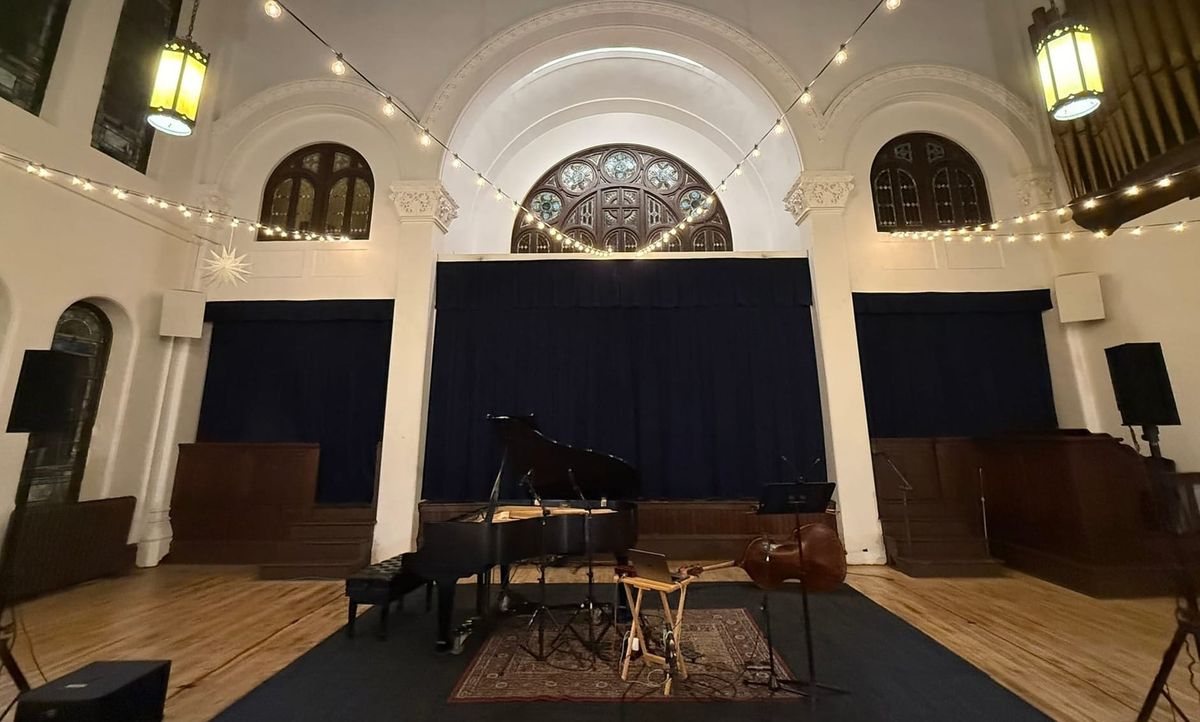
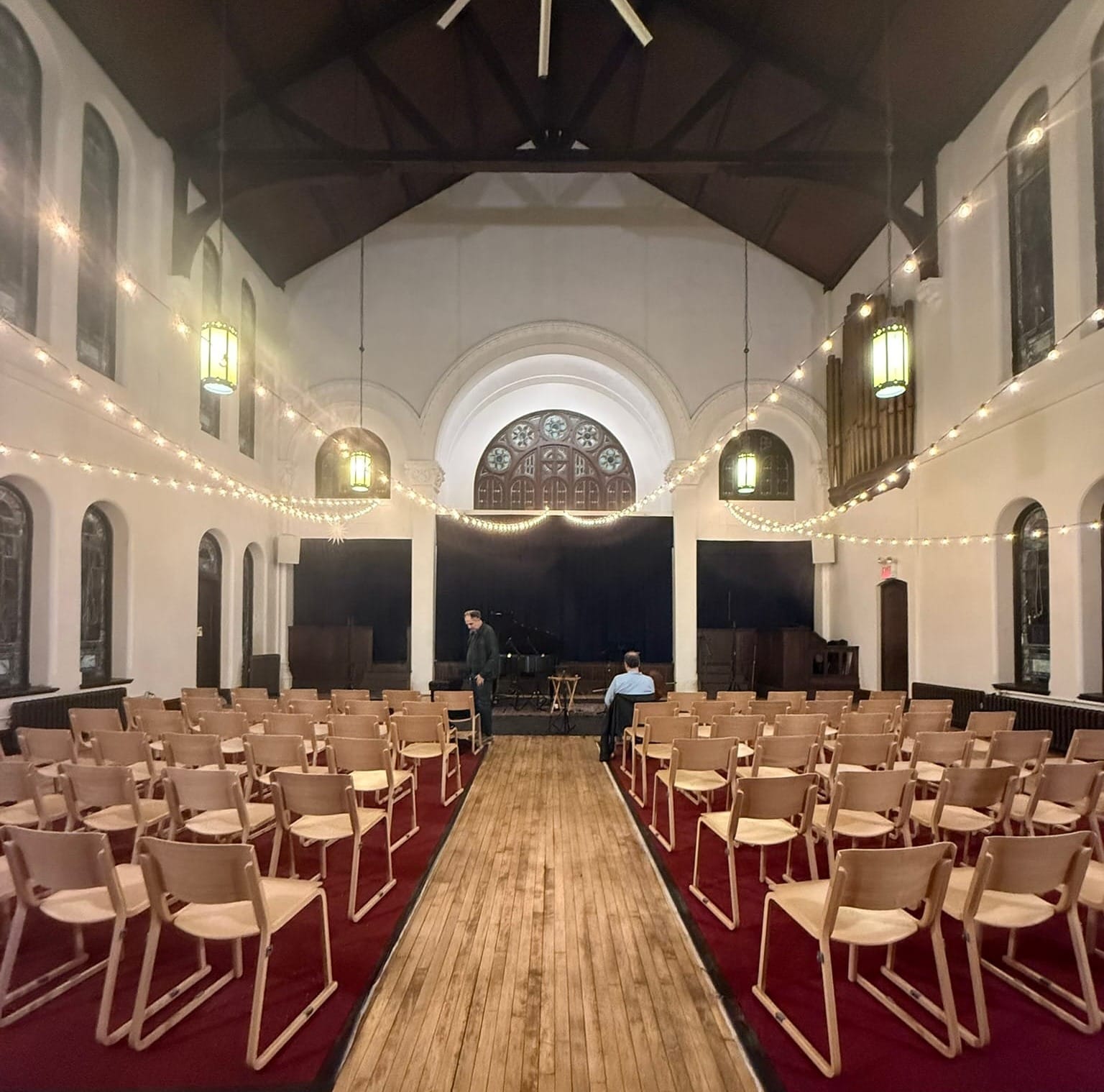
Talea Ensemble, which has introduced pioneers of contemporary music in New York, is presenting a four-concert series connected to Mario Davidovsky. The first program, curated by Greg Chudzik on double bass and Steve Beck on piano, took place at St. Bartholomew Hall in Brooklyn, the home of Talea Ensemble.
Talea Ensemble
Synchronisms I
Curated by Steve Beck and Greg Chudzik
7:30 p.m. | September 22, 2026
St. Bartholomew Hall
Church of St. Luke and St. Matthew
Brooklyn, New York
PROGRAM:
Sofia Gubaidulina (1931 - 2025) - Sonata for Double Bass and Piano (1975)
Mario Davidovsky (1934 - 2019) - Synchronisms No. 6 for Piano and Electronic Sounds (1970)
Ludwig van Beethoven (1770 - 1827) - Romance No. 2 Opus 50 (1798)
Mario Davidovsky (1934 - 2019) - Synchronisms No. 11 for Double Bass and Electronic Sounds (2005)
Frederic Chopin (1810 - 1849) - Waltz in Ab Major Op. 42 (1840)
Frederic Chopin (1810 - 1849) - Variations Brilliantes Op. 12 (1833)
Greg Chudzik (b. 1984) - Eternal Return (2020)
For nearly 18 years, Talea Ensemble has worked in New York in a cycle of creating music with composers, performing it, recording it, making it public, and carrying it forward into what comes next. They have introduced works by Pierre Boulez, Georg Friedrich Haas, Beat Furrer, Olga Neuwirth, Unsuk Chin, Hans Abrahamsen, and others in New York, commissioned more than 80 new works, and continued to bring new music into being with their own hands.
Mario Davidovsky was born in 1934 in Buenos Aires Province, Argentina, where he studied violin and composition. In the 1950s, Davidovsky encountered electronic music in Argentina and became fascinated by its possibilities. In 1958, he met Aaron Copland and Milton Babbitt at Tanglewood. In 1960, Davidovsky moved to New York and began working at the Columbia-Princeton Electronic Music Center, where experiments with tape-based electronic music were already underway. There, he experienced firsthand the processes of creating electronic sound: cutting and splicing recorded sounds, layering them, transforming them, and running them through filters.
But Davidovsky’s interest lay in the relationship, at the same time, between electronic sound and the live sound of a performer. And so Synchronisms was born, a series he continued to write through 2006.
When No. 6 was written in 1970, the technology for creating and recording electronic sound was extremely difficult and demanding. The work took place at the Columbia Music Center, housed in a building that had also been used for Manhattan Project research. The analog synthesis of the fixed media had to be processed at a facility with sufficient computing power, and the material was reportedly sent to an IBM facility in Ossining, in upstate New York. The calculations took several days, and they learned whether there had been any errors only when the completed material came back. By contrast, No. 11, written in 2005, was made using commercially available computers. Yet the concept and vision of the two works remain the same: live instruments and recorded electronic sounds maintaining a balance with one another. The technology that was cutting-edge in 1970 may have become outdated by 2005, but the musical method of combining recorded electronic sound with a living performer does not. It is not a relic of a particular era, but a form that persists even as technology changes.
Sofia Gubaidulina’s Sonata for Double Bass and Piano, written in 1975, belongs to the period when she was active in Moscow, around the time Shostakovich died and she formed the experimental music group Astreia. At first, the double bass sings an elegy in a low voice, slowly. Greg draws his bow slowly from side to side, almost pulling it out of the instrument, making the double bass vibrate as though he were dragging the sound out of it. My sense of listening gradually becomes accustomed to the place, and I begin to feel the sound's direction and expansion. After a while, several piano tones emerge. Even though the two musicians are performing at the same time, they do not necessarily align or intersect. They move separately. The double bass responds to the piano’s stretched-out sounds, creating a distinctive cadence, as though a mass of sound were spilling into the space. The piano responds in turn. The two instruments exist alongside one another, imitating reverberations and sound fragments and developing them further. In the score, passages shift meter frequently, and the piano and double bass maintain their balance while moving separately. I find Sophia’s depiction of these relationships between sounds highly sophisticated. Toward the end, the music shifts into something like a coda. The sound patterns are certainly modern, but in their force and pauses, I hear extreme silences and large masses of sound that remind me of a traditional symphony.
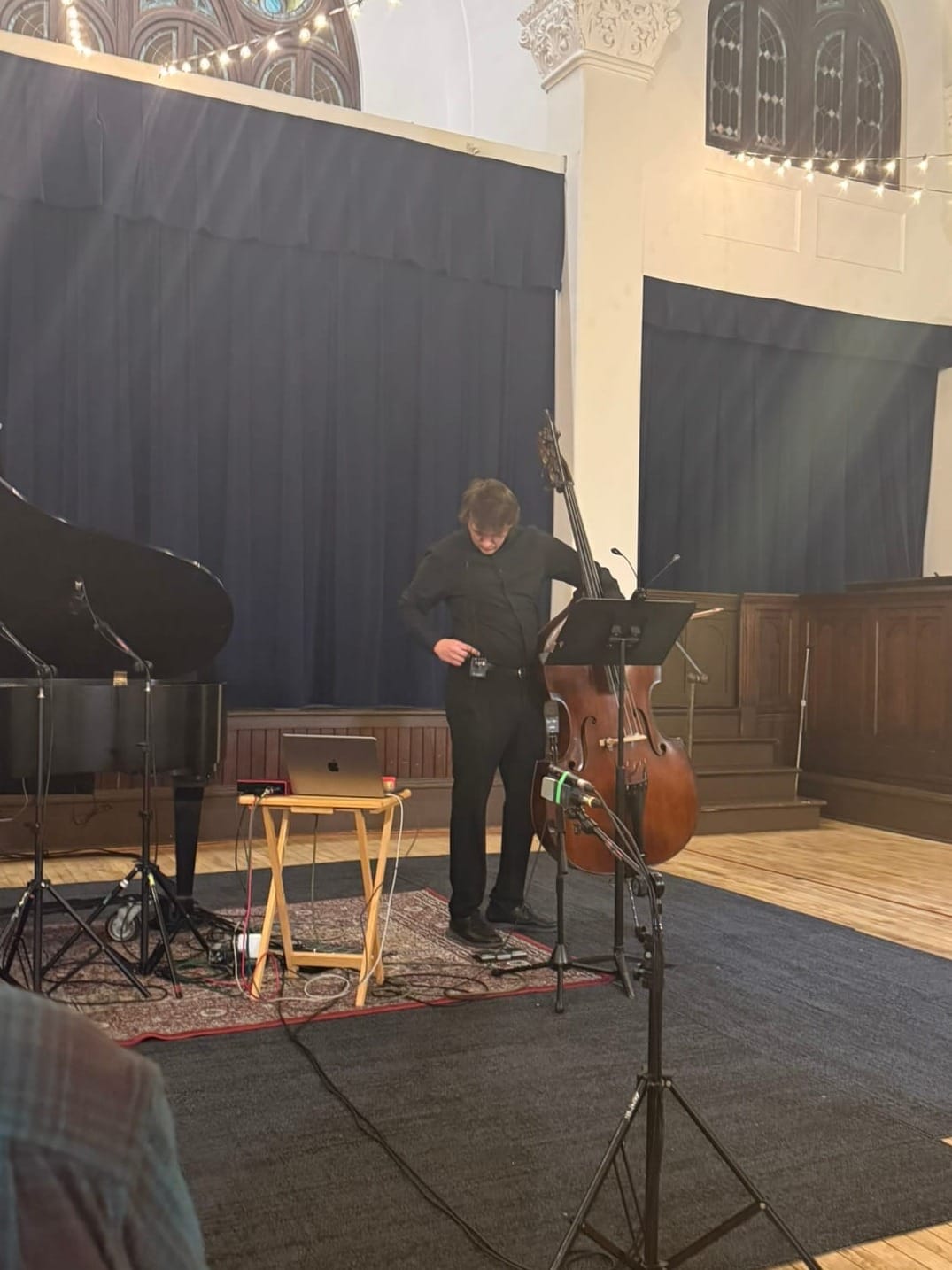
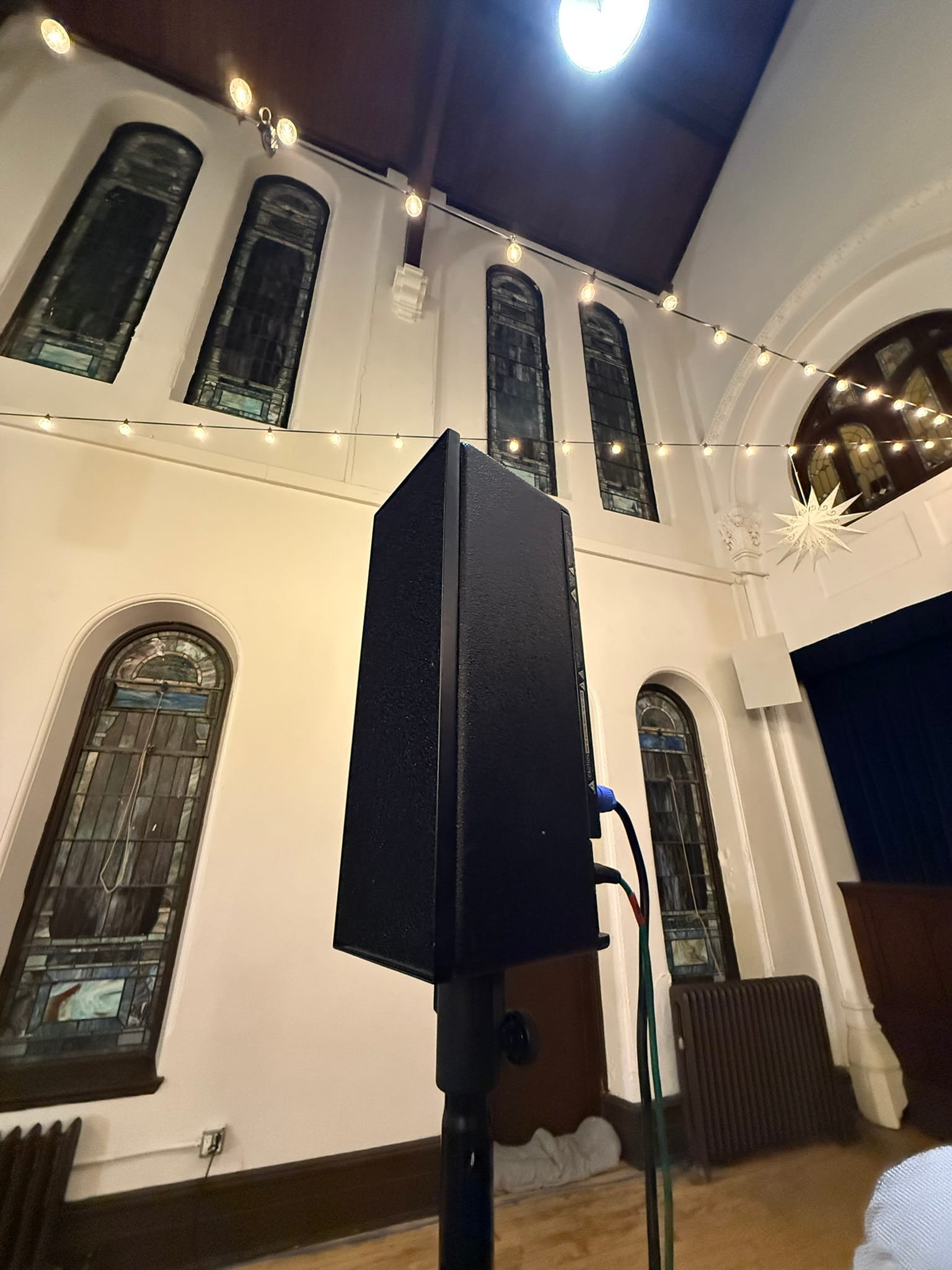
Davidovsky’s Synchronisms No. 6 for Piano and Electronic Sounds was written in New York in 1970, when he was 36. Speakers are placed on both sides of the piano. When the piano begins to play a long note, its overtones seem to emerge as electronic sounds from the speakers, filling the space. Then the electronic sound changes shape, and the piano imitates that shape. The acoustic piano sound and the electronic sound are imitating one another. Small spheres of electronic sound seem to emerge from the piano’s tone, spilling randomly into the space, running around and rolling around the stretched-out piano sound, sometimes coming toward me like waves. Rather than simply listening to sound, I feel as though I am inside changes in the temperature and texture of sound itself—sound freely running through the space, changing from the live sound of the piano into electronic sound. The electronic sounds are recorded, yet they seem to develop into a vivid ensemble.
Next came Beethoven’s Romance No. 2, with the original violin part played on double bass. Following Davidovsky’s lineage seems to lead back to Beethoven. Steve and Greg breathe together, bringing out Beethoven's warm lyricism from when he was still in his twenties. Davidovsky’s shapes of sound are modern, but the way the sounds meet does not feel so far from Beethoven. I realize that the avant-garde is not about form, but about how we handle sound, and the relationships and connections between people and sound. Beethoven himself was, after all, a man of his time.
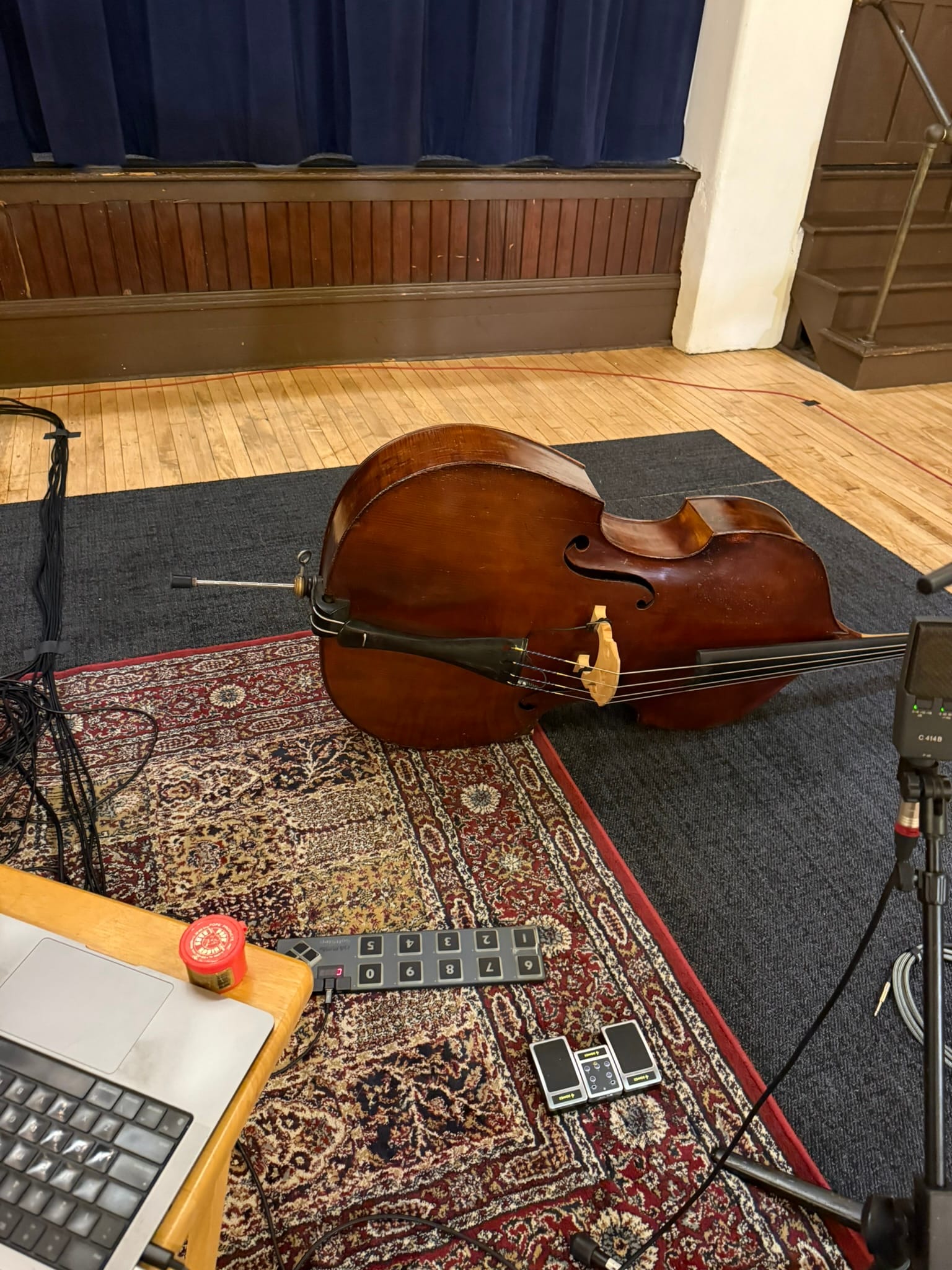
Davidovsky’s Synchronisms No. 11 was written in 2005, 35 years after No. 6. The double bass performs live against prerecorded electronic sounds. I can feel an update in Davidovsky’s own sense of sound and resonance. In No. 11, a microphone picks up the double bass's live sound and sends it through the speakers alongside the electronic sounds. Yet the balance between live and recorded electronic sound, the pauses, the ensemble's movement and interest, and the resonance remain consistent with No. 6.
Greg wore an earphone and performed while listening to a metronome. Perhaps the other ear didn't have an earphone in it, because the metronome's click was faintly picked up by the microphone and became audible. Only slightly. In that moment, I thought about how the performer must have been listening to that ticking the entire time. Then the memory of those two performers in Beethoven returned to me—their performance so fragile, yet so alive. The tempo, everything, was free between the two of them, but the two of them were also what supported it. With Davidovsky, however, one side is recorded. The freedom of the live performer is reduced, but by following the tempo, there is no need to adjust one’s heart or sensations to another living person’s sense of time.
I do not usually think this closely about the relationship between machines and living human beings. Computers have simply become a natural part of our lives without us even noticing. From the outside, Davidovsky can sound like a somewhat retro hybrid of computer and acoustic sound, even something stylish. But when I enter the spirit of it and listen at St. Bartholomew Hall in Brooklyn, home to the Talea Ensemble, I can smell the living breath of the pioneers of 20th-century electronic music, connected to Beethoven's lineage.
Next come two piano works from Chopin’s Paris period. When I think about it, just as Davidovsky was exploring the relationship between people and computers through sound, the relationship between the piano’s sound and human sensation must have felt much newer in Chopin’s time than it does now. Chopin was a young pianist from Poland who was eventually welcomed into the salons of aristocrats and the wealthy. He performed for the upper classes, taught the piano, and published his works. Rather than performing for everyone in large concert halls, he preferred intimate spaces for limited audiences. Music for selected people, in spaces where selected people gathered, dressed in the latest fashions. The class society of 19th-century Paris, and the desire to possess music, nurtured Chopin’s romances and brilliant pianism. One variation of virtuosic writing arrives after another, changing form again and again. Before I know it, the free movement of sound in those cadences that I heard in Davidovsky and Gubaidulina—something I cannot quite explain, but which somehow feels right—does not seem so far from Chopin. Chopin’s pianism might even live in the scale of a skater at a neighborhood park, slipping through a half-pipe and launching into a jump, carrying with it Chopin’s brilliant leaps and renderings.
I would actually like to meet a skater who listens to Chopin while skating. Nurturing culture might mean traveling the Silk Road and making music with indigenous peoples. But it might also mean standing next to a guy in Flatbush, cooking jerk chicken over a smoking barrel, while being blasted by hip-hop, and seeing whether we can share something beyond tradition and innovation, influencing one another in the process. To them, classical and contemporary music may sound like music from a completely different planet. They may not even know that such music exists.
Finally, Greg’s original piece for double bass and live electronics was performed, allowing us to experience what Davidovsky’s pursuit looks like today, yet it is still an extension of the Beethoven lineage.
In Beethoven, human beings listen to one another. In Gubaidulina, two instruments moving separately create a relationship between sounds. In Davidovsky, humans and machines perform together. And in Chopin, music moves into another era, another body. Listening to them one after another, the sounds of each begin to connect. That was Talea’s Synchronisms I.
Talea Synchronisms is a series of 4 concerts curated by Talea musicians and inspired by Mario Davidovsky’s Synchronisms.
Join for the full series:
September 22, 2026
December 1, 2026
February 2, 2027
April 8, 2027
タレア・アンサンブルのシンクロニズム I
9.22.2026
ニューヨークで現代音楽の先駆者たちを紹介してきたTalea Ensembleは、Mario Davidovskyに関連した4回のコンサートシリーズを開催する。1回目は、コントラバスのグレッグとピアノのスティーブによるプログラムで、Talea Ensembleの本拠地であるブルックリンのSt. Bartholomew Hallで行われた。
Talea Ensemble
Synchronisms I
Curated by Steve Beck and Greg Chudzik
7:30 p.m. | September 22, 2026
St. Bartholomew Hall
Church of St. Luke and St. Matthew
Brooklyn, New York
PROGRAM:
Sofia Gubaidulina (1931 - 2025) - Sonata for Double Bass and Piano (1975)
Mario Davidovsky (1934 - 2019) - Synchronisms No. 6 for Piano and Electronic Sounds (1970)
Ludwig van Beethoven (1770 - 1827) - Romance No. 2 Opus 50 (1798)
Mario Davidovsky (1934 - 2019) - Synchronisms No. 11 for Double Bass and Electronic Sounds (2005)
Frederic Chopin (1810 - 1849) - Waltz in Ab Major Op. 42 (1840)
Frederic Chopin (1810 - 1849) - Variations Brilliantes Op. 12 (1833)
Greg Chudzik (b. 1984) - Eternal Return (2020)
Talea Ensembleはニューヨークで、作曲家と一緒につくり、演奏し、録音し、公開し、次につなげる活動を18年近く続けている。Pierre Boulez、Georg Friedrich Haas、Beat Furrer、Olga Neuwirth、Unsuk Chin、Hans Abrahamsenらの作品をニューヨークで紹介し、これまで80以上の新作を委嘱し、彼らの手で新しい音楽が生まれ続けている。
Mario Davidovskyは1934年、アルゼンチンのブエノスアイレス州に生まれ、ヴァイオリンと作曲を学んだ。1950年代のDavidovskyは、アルゼンチンで電子音楽に触れ、その可能性に魅了された。1958年、TanglewoodでAaron CoplandとMilton Babbittに出会い、1960年、Davidovskyはニューヨークへ移り、すでにテープを使った電子音楽の実験を進めていたColumbia-Princeton Electronic Music Centerで制作を始める。ここでは、録音した音を切り貼りし、重ねたり変形したり、フィルターを通したりするなど、電子音を作る方法を実際に経験する。しかしDavidovskyの興味は電子音と、演奏者の生音が同じ時間で結ぶ関係だった。そして、Synchronismsが生まれ、2006年まで書かれた。
6番が書かれた1970年当時、電子音を作り、録音する技術はとても難しくて大変だった。その作業は、マンハッタン計画の研究施設にも利用されていた建物内にあったColumbia Music Centerで行われたという。固定メディアのアナログ合成は、十分な計算能力を持つ施設で処理する必要があり、ニューヨーク州北部のOssiningにあるIBMの施設へ送られたそうだ。計算には数日を要し、完成したものが戻ってきて初めて、エラーがあったかどうかが分かるという状態だったという。一方、11番が書かれた2005年は、市販されているコンピューターを使って作られているが、この2つのコンセプトとビジョンは、生の楽器と録音された電子音が互いにバランスを保っている。1970年には最先端だった技術が2005年には古くなっても、「録音された電子音と、生身の演奏者を組み合わせる」という音楽の方法は古くならない。それは特定の時代にしか存在しない遺物ではなく、技術が変わっても持続する形式なのだ。
1975年のSofia Gubaidulinaの《コントラバスとピアノのためのソナタ》は、彼女がモスクワで活動していた時期で、ショスタコーヴィチが亡くなり、実験音楽グループ、アステリアを結成したころだ。初めはコントラバスが低い声でエレジーをじっくり唱える。グレッグは弓をゆったり左右に振り絞るように、弾きづるようにコントラバスの体を振動させる。聴いている感覚がその場所にどんどん馴染んできて、音の方向や広がりを感じていく。しばらくすると、ピアノのいくつかの音色が聴こえてくる。二人は同じ時間の中で演奏していても、合わせたり交わったりしない。お互いが別々に動く。ピアノの引き伸ばされた音にコントラバスが反応し、音の塊が空間にこぼれるように、独特なケイデンスを作る。それに反応するようにピアノが応答する。二つの楽器は互いに存在しながら、残響や音の断片を模倣し、さらに展開していく。楽譜上では拍子が細かく切り替わる部分があり、ピアノとコントラバスは別々に動きながらバランスを保っている。そういう音の関係を描くソフィアはとても洗練されていると感じる。終盤で、コーダのような部分に切り替わった。音型は確かにモダンだが、勢いや間に、伝統的なシンフォニーを思わせる極端な間や大きな音の塊を感じた。
Davidovskyの《Synchronisms No. 6 for Piano and Electronic Sounds》は、1970年、彼が36歳のときにニューヨークで作った作品。ピアノの両サイドにはスピーカーが設置されている。ピアノがロングノートをひき始めると、その倍音が電子音でスピーカーから鳴り始め、空間を満たす。すると、電子音は形を変え、その形を今度はピアノが模倣する。アコースティックのピアノのサウンドと電子音が模倣し合っている。ピアノの音色から電子音の小さな球のようなものが生まれ、ランダムに空間へこぼれていき、引き伸ばされたピアノの音色の周りを駆け回ったり、転がったり、波のように押し寄せてきたりする。音を聴いているというより、空間を自由に駆け回ったり、生のピアノの音色から電子音に変化したりする、いわば音の温度や質感の変化の中に自分がいる感覚になる。電子音は録音されているのに、彼らはまるで活き活きとアンサンブルを育んでいるように感じるのだ。
続く、Beethovenの《ロマンス第2番》は、原曲のヴァイオリン・パート、コントラバスが演奏した。Davidovskyの系譜をたどると、Beethovenにつながるそうだ。スティーブとグレッグの二人は息を合わせ、Beethovenがまだ20代だった頃の暖かな抒情を奏でる。Davidovskyの音の形はモダンだが、音の交わりは、ベートーヴェンと遠くないと感じ、前衛とは、形ではなく、音や、人と音の関係やつながりをどう扱うかだと知る。当時のベートーヴェンもまた時の人となったわけだから。
Davidovskyの《Synchronisms No. 11》は、《Synchronisms No. 6》から35年後の2005年に書かれた。あらかじめ録音された電子音に、コントラバスがライブで演奏する。Davidovsky本人の音や響きに対する感覚のアップデートは感じる。実際、11番では、生のコントラバスの音をマイクが拾い、電子音と一緒にスピーカーから鳴らしていた。しかし、機械と人が一緒に奏でる音、音楽という点では、生の音と録音された電子音とのバランスや、間、アンサンブルの動きやその面白さ、響きといったところは、6番と一貫している。
グレッグは耳にイヤフォンを入れ、メトロノームを聴きながら演奏していた。そして、片方はイヤフォンを入れていなかったのか、クリックの音がかすかにマイクに拾われて聴こえてきた。本当に少しだが。そのとき、演奏者はこのカチカチをずっと聴きながら演奏しているのだと思った。すると、ベートーヴェンのあの二人の、とても壊れやすいけれど生々しい演奏が蘇ってきた。テンポも何もかも二人の自由だが、それを支えるのも二人だ。しかし、Davidovskyでは一方は録音されている。生で演奏する側の自由は減るが、テンポに合わせれば、心や感覚を、もう一人の生きた感覚とすり合わせたりする必要がない。
機械と生身の人間の関係を、こんなレベルでまじまじと考えることなど、普段はない。コンピューターは、いつの間にか自然に生活の一部になっているからだ。Davidovskyは外側から聴くと、少しレトロなコンピューターと生音のハイブリッドで、おしゃれな感じもする。だが、その精神の中まで入り込み、Talea Ensembleの本拠地であるブルックリンのSt. Bartholomew Hallで聴くと、もう一度書くが、ベートーヴェンの系譜につながる20世紀の電子音楽の先駆者たちの息吹を感じることができる。
続くのは、ショパンのパリ時代のピアノ曲が二つ。よく考えると、Davidovskyが人とコンピューターの関係を音で追究していたように、ショパンが生きた当時は、ピアノの音色と人の感覚は、今よりずっと新鮮だったはずだ。ショパンはポーランドからやってきた若いピアニストで、やがて貴族や富裕層のサロンに迎え入れられていった。ショパンは上流階級のために演奏し、ピアノを教え、作品も発表していく大きなホールで万人に向けて演奏するよりも、限られた人々のための親密な空間を好んだ。最新のファッションに身を包み、選ばれた人々が集まる空間で、選ばれた人だけが聴く音楽。そうした19世紀パリの階級社会や、音楽を所有することへの欲望が、ショパンのロマンスや華麗なピアニズムを育んでいったのだ。何度も形を変えてやってくる超絶技巧の編曲の数々。ふと気が付くと、DavidovskyやGubaidulinaで聴いた、ケイデンスでのよくわからないが、しっくりくる自由な音の動きとそんなに遠くない気になってくる。ショパンのピアニズムが、近所の公園で、ハーフパイプをすり抜けてジャンプを決めるスケーターのスケールにも、ショパンの華麗な跳躍やレンダリングが宿るかもしれない。
実際、ショパンを聴きながら滑っているスケーターに会ってみたいものだ。カルチャーを育むとは、シルクロードを旅して土着の民族と一緒に音楽を作ることもそうかもしれない。だが、フラットブッシュでドラム缶から煙を上げてジャークチキンを焼く兄ちゃんの横で、ヒップホップを爆音で浴びながら、伝統や革新のその先にある何かを、彼らと共有したり、お互いに影響を与え合ったりできるかどうかだ。彼らにとって、クラシックや現代音楽は、まるで違う星の音楽かもしれない。あるいは、そんなものが存在することすら知らないかもしれない。
最後はコントラバスとライブ・エレクトロニクスのグレッグのオリジナル曲が演奏され、Davidovskyが追求してきた今の姿を体験したが、ベートーヴェンの系譜の延長にあるわけだ。
Beethovenでは人間が互いを聴き、Gubaidulinaでは別々に動く二つの楽器が音の関係を作り、Davidovskyでは人間と機械が共演、そしてChopinでは、音楽が別の時代、別の身体へと移っていく。それらを続けて聴くことで互いの音がつながって聴こえてくるTaleaのSynchronisms Iだった。
Talea Synchronisms is a series of 4 concerts curated by Talea musicians and inspired by Mario Davidovsky’s Synchronisms.
Join us for the full series:
September 22, 2026
December 1, 2026
February 2, 2027
April 8, 2027
Comments ()