Muti brings out the best in Venna at Carnegie Hall

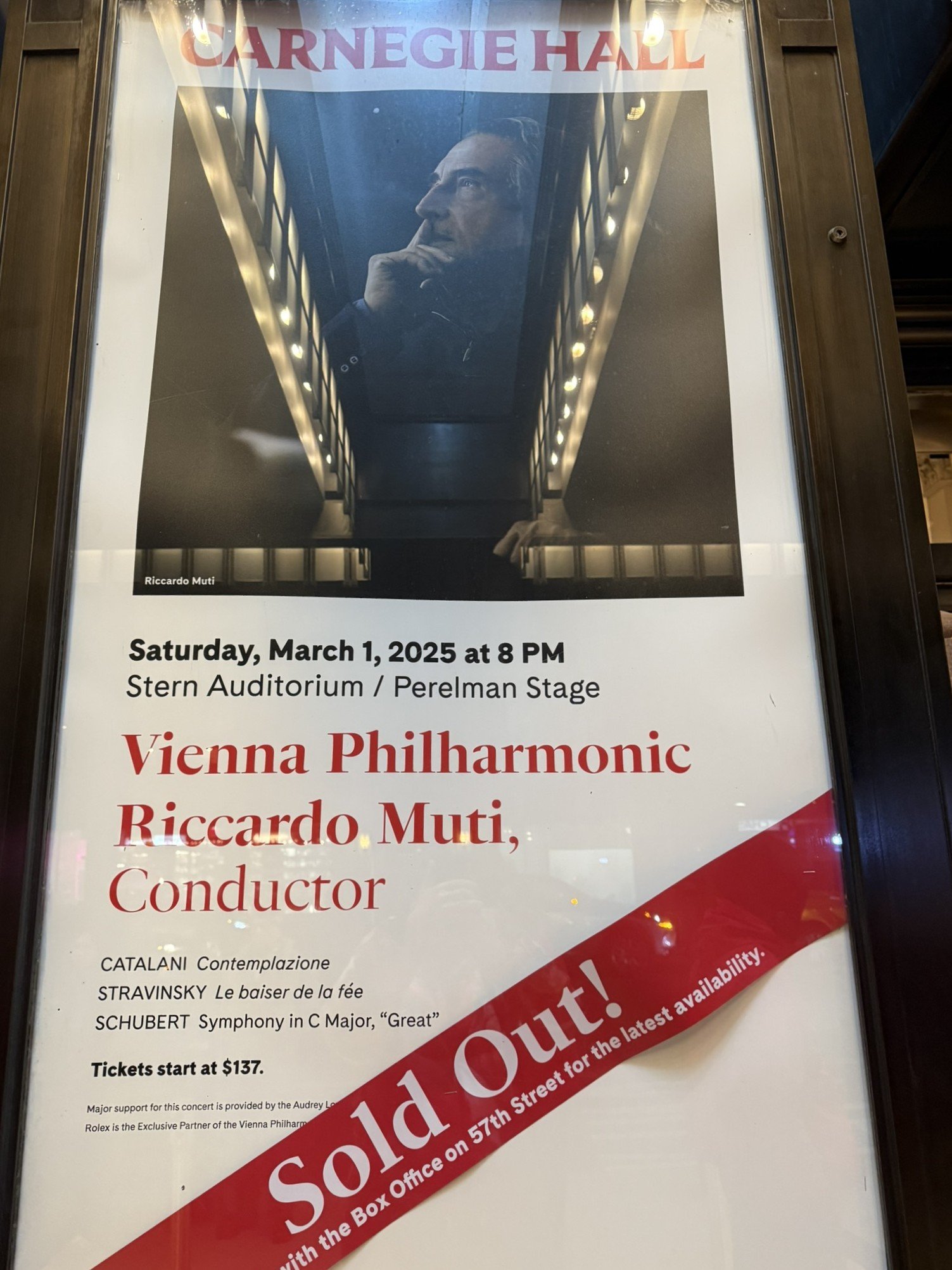
Riccardo Muti and the Vienna Philharmonic had the second of an annual three-day concert series at Carnegie Hall on March 1. The 83-year-old Italian maestro has been introducing pieces in his country. Saturday night also started with Alfredo Catalani's Contemplazione. Vienna played the gentle yet passionate melody in a warm and clear tone. Next was Stravinsky's Divertimento, a set of four suites based on Hans Christian Andersen's fairy tale "The Ice Maiden," revised in 1949. The clarinet and flute played a Tchaikovsky-esque fairy tale melody from the beginning, but Stravinsky's modern rhythms came in halfway through. In the Swiss Dance, you can hear Petrushka's brass ostinato. In the final pas de deux, the extended cello, harp, and clarinet solos were beautiful and impressive. In the first two pieces, string and wind solos were enjoyed. The last symphony, Schubert D944, takes more than an hour in the second half if all sections are repeated at Muti's tempo. The beginning features substantial oboe and horn solos. Muti's relaxed tempo proceeds steadily, focusing on overall flow and each player's tone rather than sound pressure or momentum. I hear the poetry unique to Muti and Vienna that I felt in the 4th Symphony the day before. The cello and double bass's beats and countermovements gave a sense of scientific interaction of sounds, like key and position, rather than thrill and suspense.
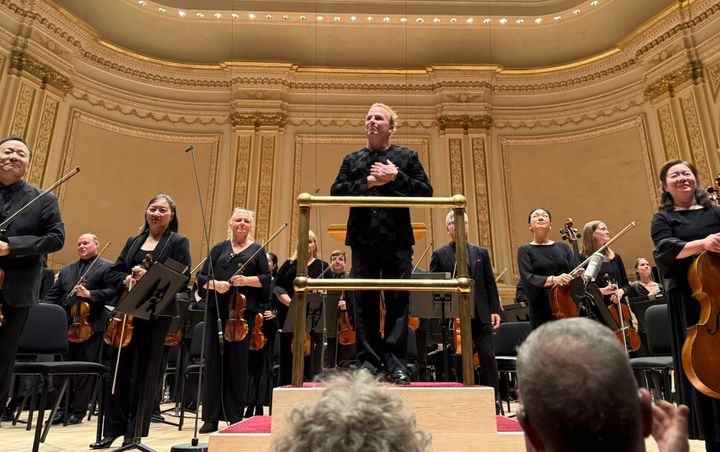
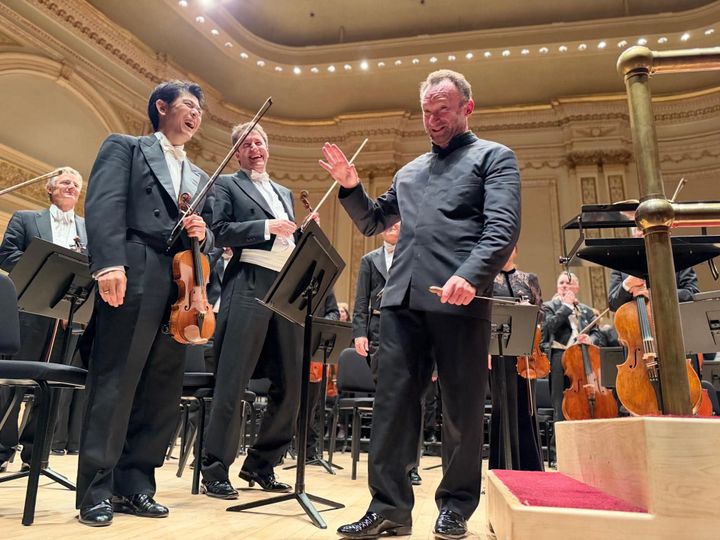
I have never experienced the bass's tone and feel before. It is more like watching the phenomenon called "Schubert" than a performance. Danailova and Honeck were lined up, each giving a passionate bow. Principals: cello, Tamas Varga, viola, Tobias Lea, and second violin, Lucas Takeshi Stratmann, the first circle of Vienna has the same members as on the first day. Under Muti's touch, each statement became clockwork, and they showed us Schubert, which only Vienna has. The old lady, who had been sleeping and snoring throughout the Schubert, woke up and gave them Bravi when Muti rejoined the Viennese circle during the curtain call. It was a fantastic night.
リッカルド・ムーティとウィーン・フィルは3月1日にニューヨークのカーネギーホールで恒例の3回公演の2回目を行った。83歳のイタリアの巨匠は、これまでに母国の珍しい曲を紹介してきたが、土曜の夜はアルフレード・カタラニのコンテンプラツィオーネの静寂から始まった。優しくも情熱的な旋律をウィーンは暖かく透き通る音色で奏でる。次のストラビンスキーのディベルティメントは、アンデルセンの童話「氷の乙女」に基づいた4つの組曲で1949年に改訂されている。冒頭からクラリネットやフルートがチャイコフスキー風のメルヘンな旋律を奏でるが、途中からストラビンスキーのモダンなリズムが聴こえ、スイス舞曲ではペトルーシュカの金管楽器のオスティナートが聴こえる。最後のパ・ド・ドゥではチェロとハープ、クラリネットの長いソロが美しく印象的だった。前半の2曲では弦楽器や管楽器のソロを楽しんだ。後半のシューベルトの最後の交響曲D944はムーティのテンポで全て繰り返すと1時間以上かかる。始めにオーボエとホルンの充実したソロがある。ムーティのゆったりとしたテンポは、音圧や勢いを重視するのではなく、全体の流れと舞台上の各人の音色を引き出すように着実に進んでいく。前日の交響曲第4番で感じた、ムーティとウィーンならではの詩情が聴こえてくる。チェロとコントラバスの拍子や反動は、スリルやサスペンスというよりも、調性や位置など音の科学的な相互作用を感じさせた。ベースの音色と感触はこれまでに体験したことがない。演奏というよりはシューベルトという現象を眺めているに近い。目の前にはダナイロバとホーネックが並んでいて、それぞれが熱演を繰り広げる。首席チェロ、タマーシュ・ヴァルガ、ビオラ、トビアス・レア、第2ヴァイオリン、ルーカス・タケシ・ストラットマンら首席が初日と同じ。ムーティのタクトでそれぞれの主張が時計仕掛けに変わり、ウィーンならではのシューベルトを披露してくれた。シューベルト中、ぐっすりいびきをかいて眠っていたおばちゃんは起きだし、カーテンコールでムーティが再びウィーンの輪の中に加わると、慣れた調子でブラヴィとコールを送っていた。最高の夜だった。
3.1.2025
Riccardo Muti, Conductor
Program
CATALANI Contemplazione
STRAVINSKY Le baiser de la fée
Sinfonia
Danses suisses
Scherzo (Au moulin)
Pas de deux
Adagio
Variation
Coda
SCHUBERT Symphony in C Major, "Great"
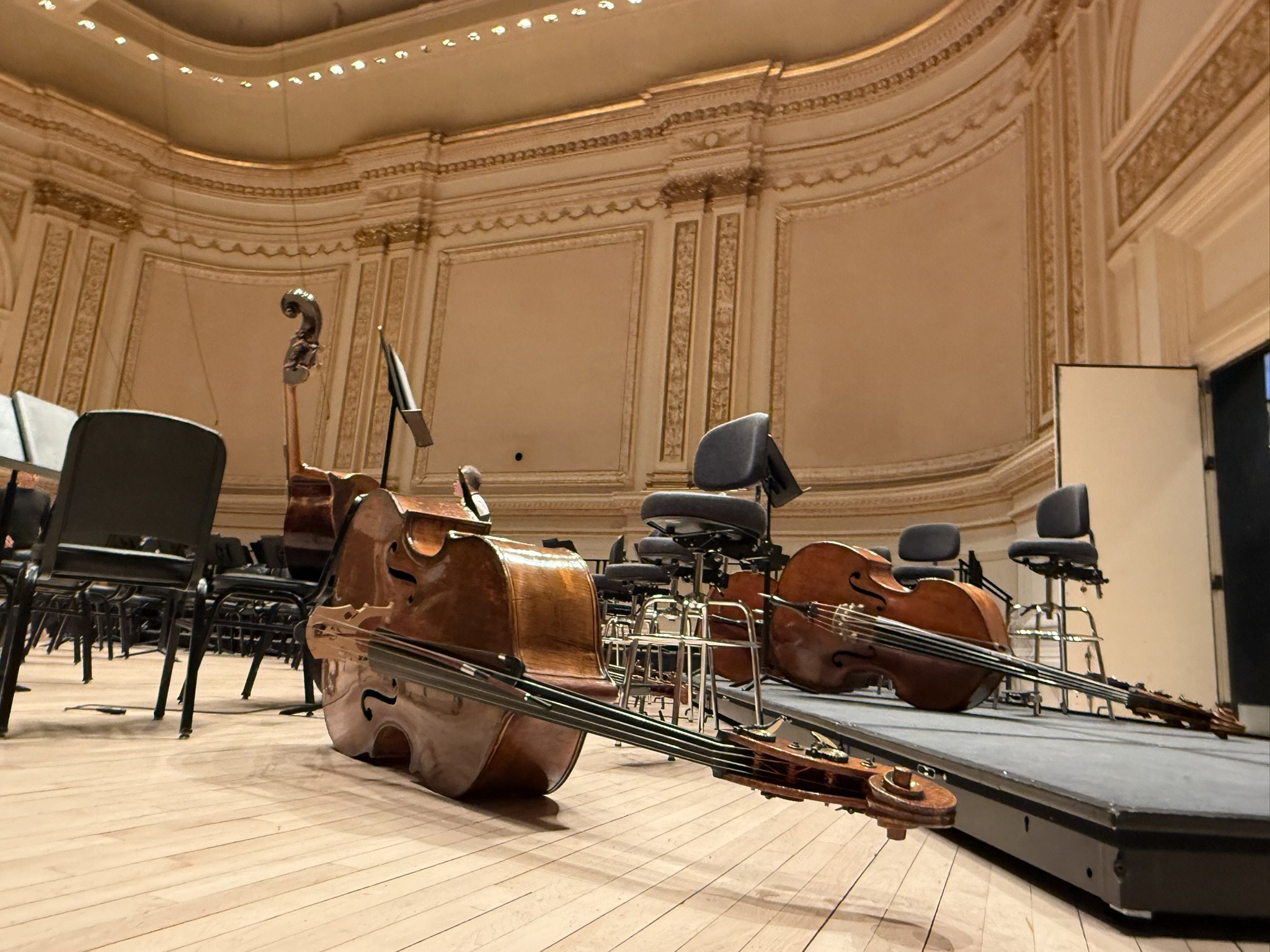
I have never felt the bass tone on any Schubert symphony; Muti and Wiener bass produced.
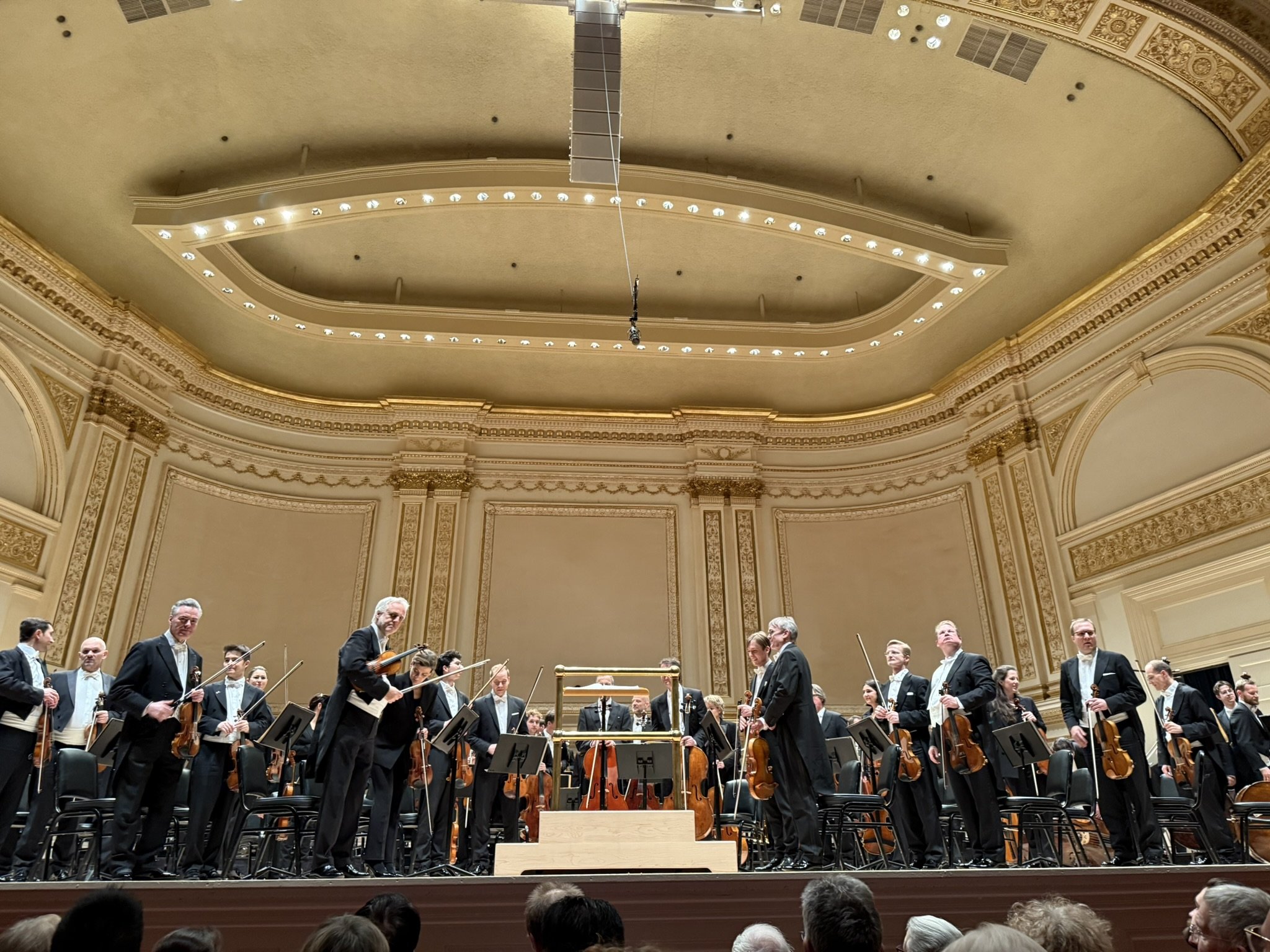
Winer Principals Lined Up on Carnegie Stage
Comments ()