Second Modern / Rebecca Saunders
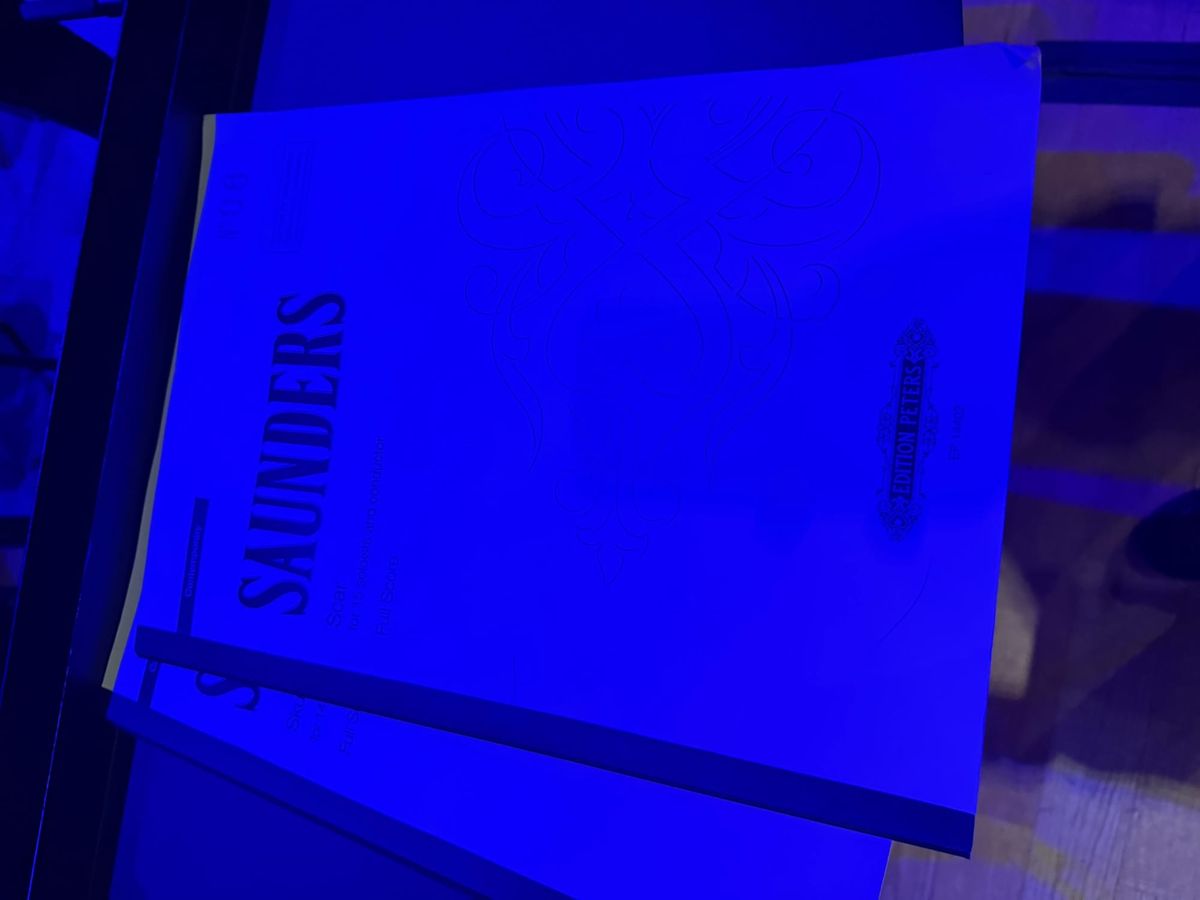
Modernism was an approach that sought new forms of expression through sound, developed by composers such as Schoenberg, Webern, Stravinsky, Varèse, Boulez, Stockhausen, and Ligeti. Schoenberg dismantled tonality and moved toward twelve-tone technique; Webern treated pitch, timbre, intensity, duration, and even the silence between sounds as compositional elements; Varèse placed sound itself at the center of composition; and Stockhausen opened up electronic sound, space, and time as new territories for composition. In this sense, Modernism questioned “What is music?” and “What is sound?” through sound itself. By dismantling the conventional roles of melody, harmony, and accompaniment, and organizing pitch, duration, timbre, intensity, density, space, and silence, Modernism sought to liberate sound and experience its resonance.
Postmodernism in the latter half of the twentieth century questioned the Modernist belief that “the new is inherently valuable” and that “tradition must be overcome.” Is there really a need to distinguish music of the past from music of the present? To separate tonality from atonality? To maintain boundaries between classical music, jazz, rock, and popular music? Composers such as Schnittke, Rochberg, Berio, Andriessen, and John Zorn broke down these boundaries. If Modernism dismantled the interior of music, Postmodernism dismantled the boundaries surrounding it.
I see the composers who, beyond this, attempt once again to return to “sound itself” as the “Second Moderns.” They do not simply repeat Modernism's questions. If Modernism asked again, “What is sound?”, the Second Moderns push that question further: “Where does sound come from?” “How does sound pass through the body?”, and “What does that sound do to the listening body?” Rebecca Saunders is, I believe, one of the most important of them.
Sound emerges through the performer’s body. The pressure applied to a bow, the weight of a finger pressing a piano key, breath, attack, the resistance encountered in an instrument, the position of the performer’s body—these physical actions themselves produce music. In Saunders’s music, a chain emerges: notation → performer’s body → the physical resistance of the instrument → sound → the listening body. Notation is also a precise record designed to generate sound through the body.
In this respect, Brian Ferneyhough uses complex notation to demand highly sophisticated physical and temporal processing from performers. Saunders also employs extremely precise notation, but what she pursues is what happens acoustically when those notated instructions pass through the performer’s body. As a result, even with the same score, the sound that emerges changes with the performer’s body, the instrument, pressure, friction, breath, and attack. In Saunders’s music, notation and the body are not opposites. Rather, notation sets the body in motion, and that body generates a particular acoustic phenomenon.
Saunders’s music contains “violence, stillness, and violent stillness.” Alongside extremely delicate sounds that exist only for an instant, what Tom Service described as an “evanescent shimmer,” there are also forceful attacks, enormous sounds, friction, pressure, and sounds that seem to burst apart. Tension lives within quiet sounds, and stillness within violent ones. This is why the seemingly contradictory phrase “violent stillness” becomes characteristic of Saunders’s music. In Unbreathed, phrases such as “Inside, withheld, unbreathed” and “Absent, silent, void” appear. “Breath” is the bodily state before sound becomes sound, while “unbreathed” suggests an interest in what exists just before sound emerges, or what remains after sound has disappeared. Overlapping glissandi create a fluid surface of microtones, while violent attacks and changes in bow pressure also appear. Extreme dynamics range from ferocious fortissimos to states approaching silence, while it is impossible to predict where a gesture will lead. The result is a diffusion without clearly defined contours, different from a form of “beginning → development → climax → conclusion,” eventually disappearing without a grand conclusion. This anticlimax resonates with Beckett, to whom Saunders is deeply attentive. Saunders pursues where sound comes from, how that sound resonates from within instruments and people, and what can be heard after that sound has disappeared. She pushes Modernism’s question about sound further inward, into the instruments and the human body, and even into something like presence or atmosphere. Sound is not an abstract symbol; it emerges when the body touches, presses, rubs, strikes, breathes into, and encounters resistance from an instrument. This is why Saunders does not separate “listening to sound” from “listening to the body that produces sound.”
Rebecca Saunders — Into the Interior of Sound, Into the Interior of the Body
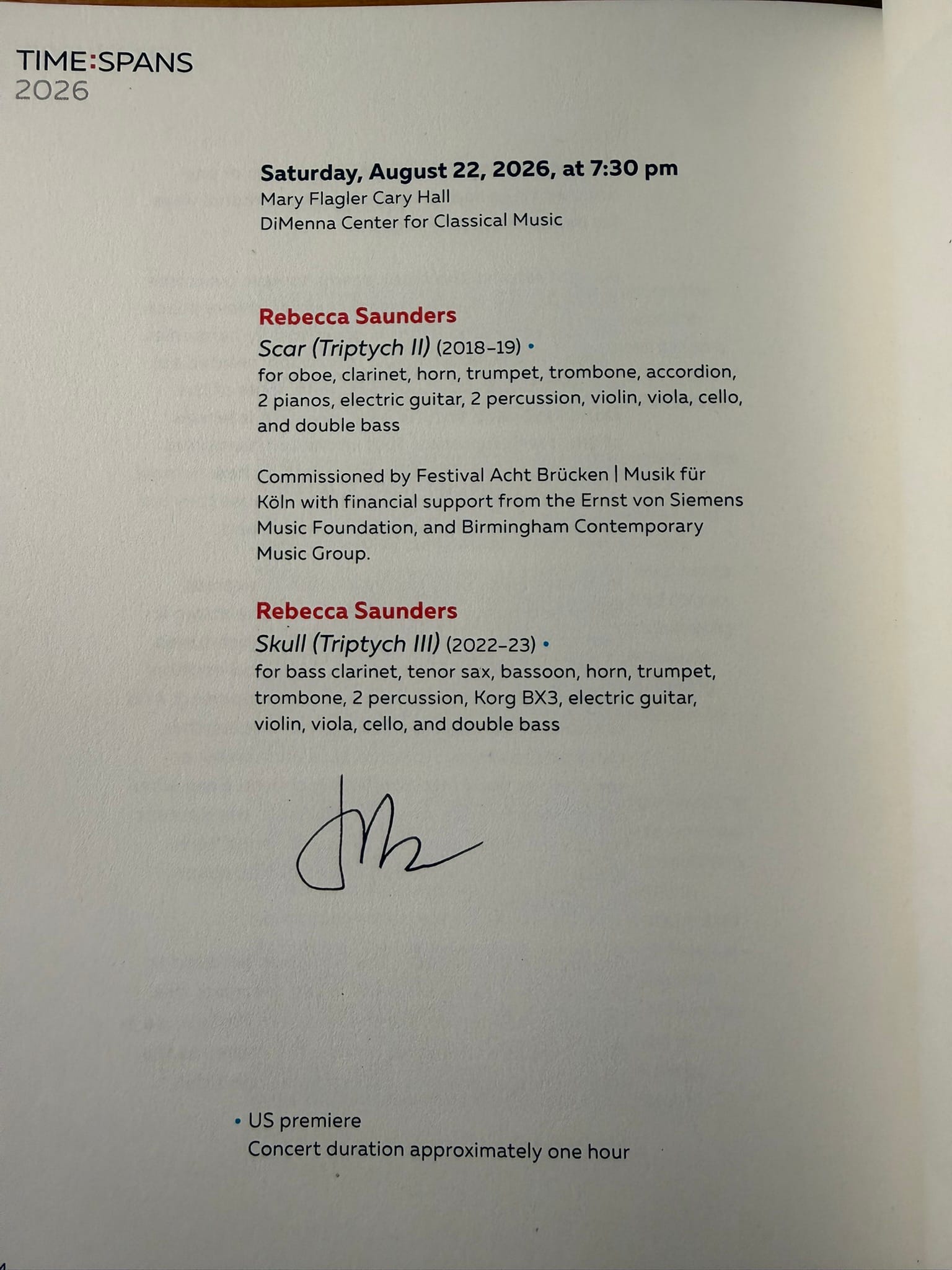
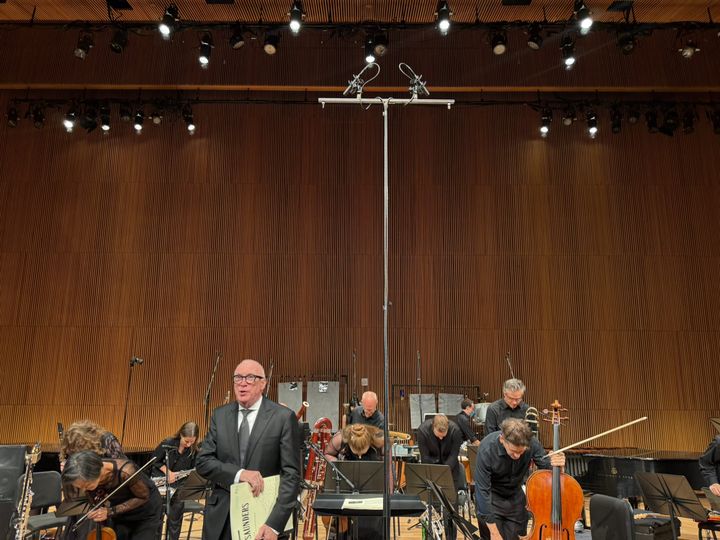
On August 22, I heard Rebecca Saunders’s Scar and Skull, performed by Talea Ensemble and conducted by James Baker at Mary Flagler Cary Hall at The DiMenna Center in New York. Two years earlier, Skin had been performed by the same Talea Ensemble. This time, its successors, Scar and Skull, were performed, connecting the trilogy, written between 2016 and 2023, within a single span of time by the same ensemble. What I sensed was not simply the succession of three works, but a single movement inward, from the surface of sound toward its interior.
When Scar began, what first entered my ears was not so much “music” as the physical event of sound coming into existence. Small percussion sounds, a low, hard piano resonance, and above them a curved, drone-like sound. Suddenly, a metallic sound cut sharply across the space, as if slicing through the surface of the body. A thin chain hanging from a gong made a faint sound as it touched the metal, while the sound of metal being rubbed and its dull resonance slowly disappeared. At that moment, rather than following melody or harmony, my ears were drawn toward how sound itself was produced, what kind of texture it possessed, and how it moved through space. Friction, noise, breath, impact, resonance. Each sound possessed a hardness, weight, roughness, pressure, density, and surface that could not be explained simply by pitch or volume. These qualities collided, compressed, tore apart, and disappeared within the space. The process itself became music. At that moment, I felt that I was not so much “listening” to sound as touching it.
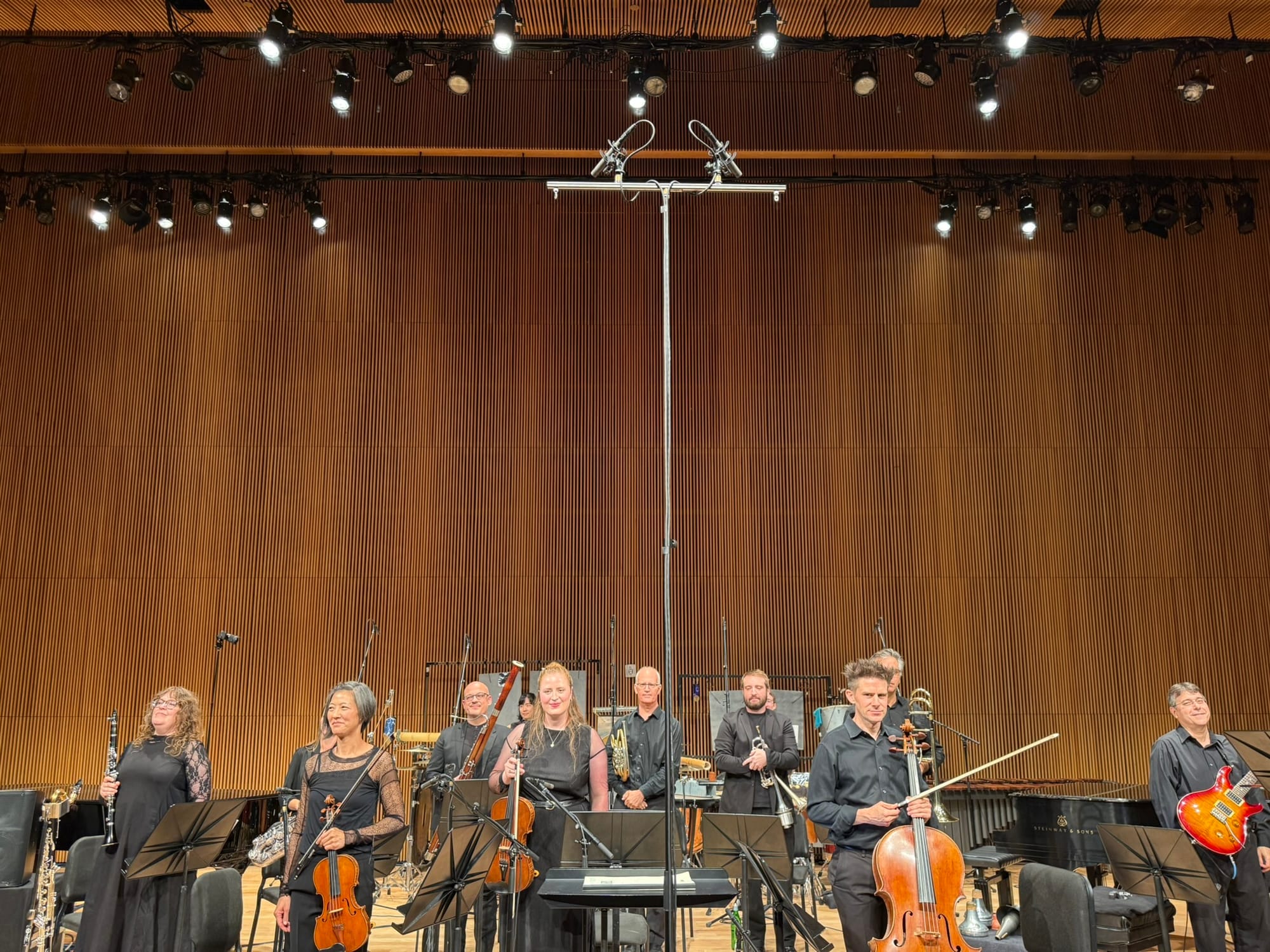
When Tom Service described Saunders’s music as “sculpting sound,” I think he was close to this sensation. Sound appears not as an abstract symbol but as something material, almost touchable. Sound has a surface, a weight, a texture. The pressure of a bow against a string, the weight of a finger pressing a piano key, the body moving an accordion, the breath inhaled before sound. For Saunders, these are not “performance matters” existing outside the music; they are materials that constitute sound itself. This is why, in Saunders’s music, the performer’s body cannot be separated from sound. Sound emerges from the body; the body touches the instrument; the instrument resists; and that resistance becomes sound. Then that sound reaches the listener’s body. The composer provides the sound, the performer makes it real through the body, and the listener receives it. Within this circulation, music becomes “sound” once again.
Saunders’s precise notation must also be considered within this circulation. Her music is meticulously notated in quantitative detail. Yet not everything is fixed on the page. While when a sound occurs and under what conditions it is produced may be specified in great detail, the way that sound disappears, and the bodily processes through which it becomes an actual acoustic event, involve the performer’s body. This is why Saunders’s music should not be understood simply as “contemporary music with many extended techniques.” She is not arranging unusual sounds. Where does sound come from? How does the body produce sound? How does the resistance of an instrument become sound? How does sound exist within space? And what remains after sound disappears? Her music allows us to experience these questions one by one as actual acoustic phenomena.
Seen in this way, Saunders’s music is not far removed from the Modernism of the twentieth century. Rather, it seems to push its questions further. Schoenberg dismantled tonality; Webern treated pitch, timbre, intensity, time, and silence as compositional elements; Varèse placed sound itself at the center of composition; and Stockhausen expanded electronic sound, space, and time. Modernism questioned “What is music?” and “What is sound?” through sound itself. Saunders, too, returns to these questions. But she shifts “What is sound?” toward “Where does sound come into being?” and then pushes it further toward “What does that sound do to the body?” In other words, from sound itself to the body that produces sound, and from there to the body that receives sound. This, I believe, is where the core of Saunders’s music lies. She composes the conditions under which sound comes into existence. And through those conditions, she changes the listener’s hearing itself.
The title Scar points directly toward this way of thinking. A scar is a mark left after a wound has healed, a record on the body's surface that something once happened. Saunders writes, “Silence is the canvas on which the weight of sound leaves its trace.” When I hear these words through an actual performance, their meaning suddenly becomes physical. Sound is not placed upon silence. Sound wounds silence, and the wound remains. Even after sound disappears, we do not simply return to complete “nothingness.” Resonance, memory, and sensation remain in the body. The silence that existed immediately before is no longer the same silence. This is why, when listening to Scar, I could not focus only on “what will happen next.” Instead, I found myself listening while asking, “How has this sound changed the silence that existed immediately before it?” Sometimes the existence of a sound becomes clearest at the very moment it disappears. Only after sound is gone can we perceive what it left in the space and what it had done to our own bodies.
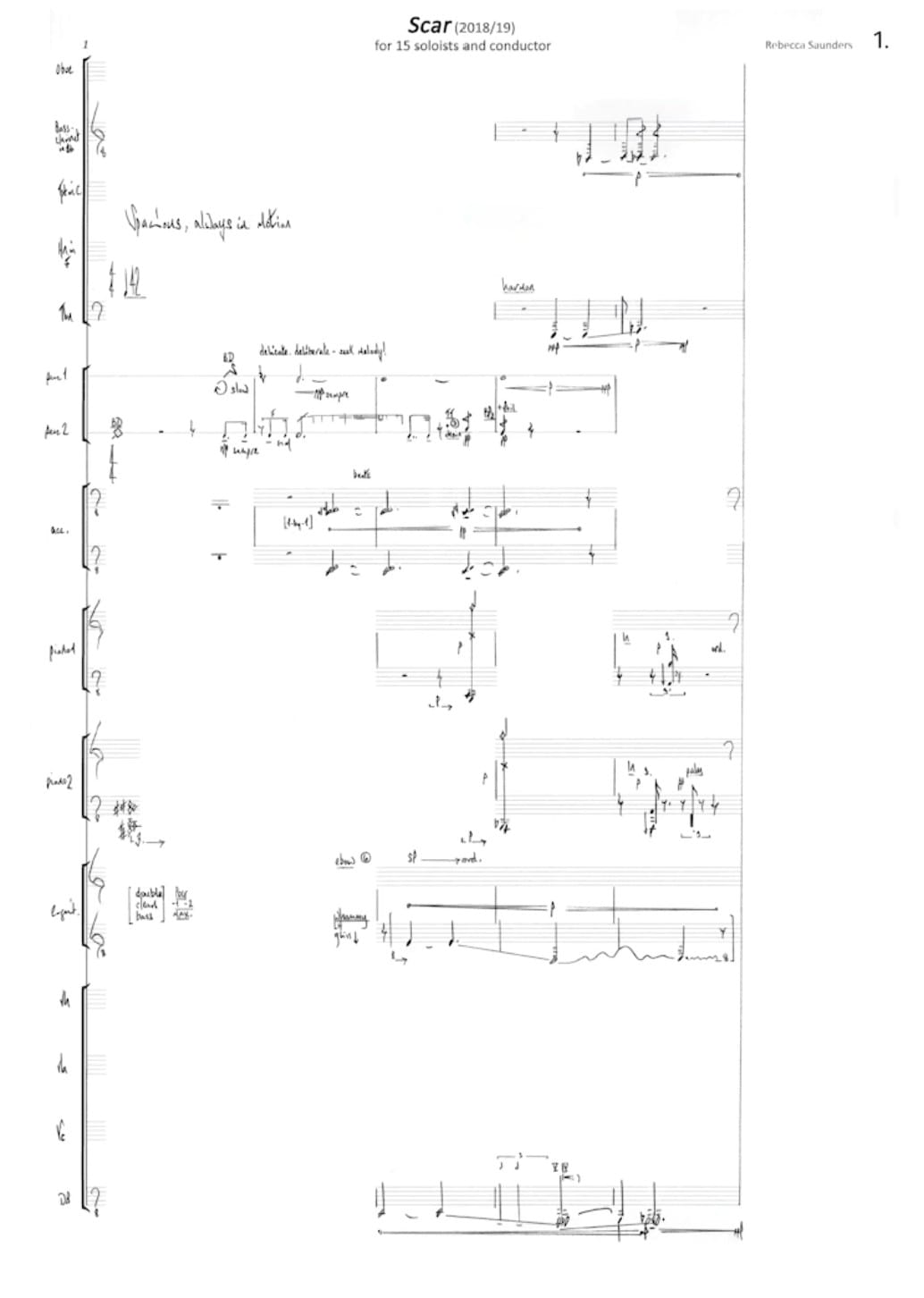
I had felt something similar when listening to Kurtág at TIME: SPANS 2026. After a short sound disappeared, turning my ears toward its resonance and the silence made the space between sounds seem to expand. And in Haas’s In vain, the disappearance of vision in the darkness made the direction, collisions, overtones, and resonance of sound feel more physical. Through TIME: SPANS, I had gradually begun to listen not to “sound itself,” but to “what sound does to perception.” Scar emerged at the end of that trajectory. And in Scar, sound breaks through the surface of silence and moves further into its interior. Sound does not simply occur and disappear within space; it leaves a trace in the listener’s perception, and through that trace, makes us hear again what has already disappeared.
Then, moving from Scar to Skull, sound goes even further inward. If Skin is the surface of the body, Scar is the wound inscribed upon it, and Skull is what lies further inside. The trilogy Skin → Scar → Skull can be understood not simply as three stages of the body—“skin → scar → skull”—but also as a pathway of listening: “surface → wound → interior.” We first touch the surface of sound; that surface is wounded by sound; we move beneath the wound; and finally, we listen for what remains inside. The movement from Skin to Scar and then to Skull is a movement from the outside of the body toward the inside, but at the same time, from the exterior of sound toward its interior.
When Skull began, the texture of the sound was somewhat different from Scar. It was denser, and polyphony emerged, with multiple lines seeming to intertwine. Two closed pianos, the absence of the oboe, electric guitar, and a Korg BX3 organ. Sound was no longer simply “invading from outside to inside.” Instead, things that had already existed within the interior began to move in relation to one another. And there, something appeared that was decisively different from Scar: melody. Yet this was not melody in the conventional sense. From within the “melody” that Saunders had kept at a distance for so long, something like a “kernel of melody” finally emerged. This is extremely interesting. Is Saunders not a composer who abandoned melody in order to pursue sound itself? Perhaps not. Perhaps, after dismantling melody and entering into timbre, noise, friction, resonance, the body, space, and silence, she discovered another form of melody within them. Melody does not exist from the beginning; it emerges from within sound. For this reason, the melody that appears in Skull feels less like a line drawn on the surface of music than something that had accumulated inside sound and, at a certain moment, began to take shape.
Here, Saunders’s music seems to move from Modernism’s question “What is sound?” toward somewhere else. It does not merely deconstruct sound, examine its structure, or investigate its physical conditions. It treats as one continuous phenomenon the body in which sound is born, the instrument that body touches, the resistance the instrument returns, the vibrations spreading through space, and the listener's body receiving those vibrations. The question moves beyond “What is sound?” toward “What does it mean to listen to sound?” Sound exists neither only in the composer’s mind nor as something fixed on the page. It passes through the performer’s body, becomes actual sound through contact with the instrument, travels through space, and finally reaches the listener’s body. The entire process is music.
This is why, in Saunders’s music, “listening to sound” and “listening to the body producing sound” cannot be separated. And beyond that, “listening to sound” and “listening to one’s own body” can no longer be separated either. On August 22, during Scar and Skull, I experienced this directly. The sensation of metal rubbing against metal, the friction between bow and string, the low resonance pushed out from within the piano, breath, impact, resonance, and the silence that remained after they disappeared. As I listened, I heard not only the sound itself but also what it was doing to my body. When the sound became stronger, my body tensed. When the sound became thinner, my breathing changed. When the sound disappeared, only my ears continued searching for its resonance. I was listening to music, but at the same time, I was listening to how my body responded to sound. In that moment, I felt that listening to music is not simply receiving sound, but experiencing the process through which sound changes our perception.
This also connects with what I think about as “Deep Listening” at Classicasobi. Deep Listening means asking: What happens to my body when sound occurs? What remains when sound disappears? What can be heard between one sound and the next? And how am I changing as I listen to sound? It means entering into the entire process through which sound comes into existence, passes through space, touches the body, changes perception, and then disappears. Saunders’s music asks us to place our ears on the surface of sound, feel its weight, listen to its friction, and sense how it has changed the space around us. And after the sound disappears, it brings us back to the body that remains. Sound does not end outside the listener. It happens again, as another event, within the listener’s body.
That is why she composes the conditions under which sound comes into existence. And through those conditions, she changes the very act of “listening.” She does not compose only how sound is produced, but how it appears, how it occupies space, how it touches the body, and how it disappears. By composing all of this, she changes the way the listener hears sound.
On August 22, I was listening to Saunders’s music. But at the same time, I was listening to myself listening to sound. I thought I was following changes in the sound, but before I knew it, I was following changes in my own body. When the sound became stronger, my body tensed. When the sound became thinner, my breathing changed. When the sound disappeared, only my ears continued searching for its resonance. At that moment, sound was happening inside me.
What Saunders inherited from Modernism was not simply the idea of “creating new music.” It was the impulse to question sound itself once again. And she pushes that question further: from sound to the body, from the body to perception, and from perception to consciousness. From Skin to Scar, from Scar to Skull. From surface to wound, from wound to interior. The ear that has been listening to the surface of sound eventually enters its interior and, in the end, returns to the self that is listening. At that point, music is no longer simply “sound.” Sound passes through the body, changes space, leaves a wound in silence, and remains inside us even after it disappears. Listening does not end when sound is gone. Rather, it is only then that we begin to hear what has been left inside us.
What Saunders is composing is not only the work itself. She is composing human perception itself—the act of listening.
第二モダニズム――Rebecca Saundersの音の中
モダニズムは音から新しい表現を作ろうとする姿勢で、シェーンベルク、ウェーベルン、ストラヴィンスキー、ヴァレーズ、ブーレーズ、シュトックハウゼン、リゲティらが作ってきた。シェーンベルクが調性を解体して十二音技法へ進み、ウェーベルンが音の高さ、音色、強さ、長さ、そして音と音の間の沈黙までを構成要素として扱い、ヴァレーズが音響を作曲の中心に据え、シュトックハウゼンが電子音、空間、時間を新たな作曲領域として開拓したように、モダニズムは、「音楽とは何なのか」「音とは何なのか」という問いを、音そのものから問い直した。従来の旋律、和音、伴奏といった役割を解体し、音の高さ、長さ、音色、強さ、密度、空間、沈黙を組織することで、音を解放し、その響きを経験しようとした。
20世紀後半のポストモダニズムは「新しいものこそ価値がある」「過去の伝統を乗り越えなければならない」といったモダニズムを疑う。過去の音楽と現代の音楽を区別する必要があるのか、調性と無調を分ける必要があるのか、クラシック音楽とジャズ、ロック、ポピュラー音楽を分ける必要があるのか。そうした境界をシュニトケ、ロックバーグ、ベリオ、アンドリーセン、ジョン・ゾーンらが壊していった。モダニズムが音楽の内部を解体したとすれば、ポストモダニズムは音楽の外側にある境界を解体したとも言える。
私は、その先にもう一度「音そのもの」へ戻ろうとする作曲家たちを、「Second Moderns(第二のモダニスト)」として捉えている。彼らは、モダニズムの問いをそのまま繰り返すのではない。モダニズムが「音とは」と問い直し、Second Modernsは、その問いを「音はどこから生まれるのか」「音はどのように身体を通過するのか」「その音は聴く身体に何をするのか」へと進めていく。Rebecca Saundersは、その最も重要な一人だと思う。
音は演奏者の身体を通して発生する。弓にかかる圧力、ピアノの鍵盤を押す重さ、呼吸、アタック、楽器から受ける抵抗、演奏者の身体の位置――こうした物理的な行為が音楽を生み出す。つまりサンダースの音楽は、記譜 → 演奏者の身体 → 楽器の物理的抵抗 → 音響 → 聴く身体という連鎖が生まれる。記譜は、身体を通して音響を発生させるための精密な記録でもある。
この点で、ブライアン・ファーニホウは複雑な記譜で、演奏者に高度な身体・時間処理を要求する。サンダースも非常に精密な記譜を行うが、彼女が追究しているのは、記譜された指示が演奏者の身体を通過するとき、どのような音響現象がおこるのかということだ。そのため、同じ楽譜でも、演奏者の身体、楽器、圧力、摩擦、呼吸、アタックによって実際に生まれる音は変化する。サンダースにおいて記譜と身体は対立するものではなく、記譜によって身体を動かし、その身体から固有の音響を発生させる関係にある。
サンダースの音楽には、「暴力、静止、そして暴力的な静止(violence, stillness, and violent stillness)」が存在する。トム・サービスが「evanescent shimmer(消えゆくきらめき)」と表現したような、極めて繊細で一瞬しか存在しない音響がある一方、強烈なアタック、巨大な音、摩擦、圧力、破裂するような音も現れる。静かな音の内部に緊張があり、激しい音の内部にも静止がある。そのため「violent stillness(暴力的な静止)」という、一見矛盾した表現がサンダース音楽の特徴になる。《Unbreathed》には、「Inside, withheld, unbreathed(内側に、抑えられ、息をされず)」や「Absent, silent, void(不在、沈黙、虚無)」といった言葉が置かれ、「息」は音になる前の身体の状態であり、「unbreathed」は音になる寸前の、あるいは音が消えた後に残るものへの関心を示している。重なり合うグリッサンドに流動的な微分音の表面がつくられ、激しいアタックや弓圧の変化も現れる。凶暴なフォルティッシモからほとんど無音に近い状態まで極端なダイナミクスが並置され、ジェスチャーがどこへ向かうのかも予測できない。その結果、「始まり→発展→クライマックス→終結」という形式とは異なる、輪郭の定まらない拡散が生まれ、最後には、大きな結論もなく消えていく。このアンチ・クライマックスは、サンダースが強く意識するベケットの世界と響き合っている。サンダースは音がどこから生まれ、その音は楽器や人の中からどのように響いて、その音が消えた後、何が聴こえているのかを追求している。モダニズムの音への問いを、サンダースはさらに楽器や人、または気配といった音の内部へ押し込んでいく。音は抽象的な記号ではなく、身体が楽器に触れ、押し、擦り、叩き、息を送り、抵抗を受けることによって発生する。だからサンダースは、「音を聴く」ことと「音を生み出す身体を聴く」ことを分離しない。
Rebecca Saunders――音の内部へ、身体の内部へ
8月22日、ニューヨークのDiMenna Center、Mary Flagler Cary Hallで、Talea Ensembleと指揮者James BakerによるRebecca Saundersの《Scar》と《Skull》を聴いた。2年前、同じTalea Ensembleによって《Skin》が演奏されている。今回はその続編となる《Scar》と《Skull》が演奏され、2016年から2023年にかけて書かれた三部作が、同じアンサンブルで公演が行われた。私はこの三作品の連続で、音の表面から内部へ入る一つの運動を感じた。
《Scar》が始まると、耳に入ってきたのは「音楽」というより、音が発生するときの物理的な出来事だった。小さな打楽器の音、低く硬いピアノの響き、その上に重なる湾曲したドローンのような音。突然、金属的な音が鋭く横切り、身体の表面を切り裂くように感じられた。ゴングから垂れた細い鎖が金属に触れながらかすかに響き、金属を擦る音と鈍い残響がゆっくりと消えていく。そのとき私の耳は、旋律や和声を追うというより、音そのものがどのように発生し、どのような質感を持ち、空間の中でどのように動いているのかへ向かっていた。摩擦、ノイズ、息、打撃、共鳴。それぞれの音には、単なる音高や音量では説明できない硬さ、重さ、粗さ、圧力、密度、表面があり、それらが空間の中で衝突し、圧縮され、引き裂かれ、消えていく。その過程そのものが音楽になっていた。私はそのとき、音を聴いているというより、音に触れているようだった。
サンダースの音楽についてTom Serviceが「音を彫刻する」と表現したのは、この感覚に近いと考える。音は抽象的な記号ではなく、触れることのできる物質のように現れ、音には表面があり、重さがあり感触がある。弓が弦に触れる圧力、ピアノの鍵盤を押す指の重さ、アコーディオンを動かす身体、音の前に吸い込まれる息。サンダースにとって、それらは音楽の外側にある「演奏上の事情」ではなく、音そのものを構成する素材なのである。だから、サンダースの音楽では、演奏者の身体と音を切り離すことができない。音は身体から生まれ、身体は楽器に触れ、楽器は抵抗し、その抵抗が音になる。そして、その音が今度は聴き手に届く。作曲家が音を与え、演奏者が身体を通してそれを現実の音にし、聴き手がそれを受け取る。その循環で音楽はもう一度「音」になる。
サンダースの精密な記譜も、この循環の中で考えると、彼女の音楽は定量的に細かく記譜されている。しかし、楽譜にすべてが固定されているわけではない。音がいつ鳴るか、どのような状態で生まれるかは細かく指定される一方、その音がどのように消えていくのか、どのような身体的プロセスによって実際の音響になるのかには、演奏者による。ここが、サンダースの音楽を「特殊奏法の多い現代音楽」と考えてはいけない理由だ。彼女の追究は、特殊な音を並べることではなく、音はどこから生まれ、身体はどのように音を生み、楽器の抵抗はどのように音になるのか。音は空間の中でどのように存在するのか。そして、音が消えたあと、何が残るのか。そうした問いを、実際の音響として一つずつ経験させることなのだ。
そう考えると、サンダースの音楽は20世紀のモダニズムから遠く離れたものではない。むしろ、その問いをさらに先へ進めているように感じる。シェーンベルクは調性を解体し、ウェーベルンは音高、音色、強度、時間、沈黙を構成要素として扱い、ヴァレーズは音響そのものを作曲の中心に据え、シュトックハウゼンは電子音、空間、時間を拡張した。モダニズムは、「音楽とは」「音とは」という問いを、音の価値から問い直した。サンダースもまたその問いへ戻っている。ただし、彼女は「音とは」という問いを、「音はどこで生まれるのか」へ移し、「その音は身体に何をするのか」へ押し進める。つまり、音からその身体へ。そこから音を受け取る身体へ、サンダースの音楽の核心があるように思う。彼女は音が発生する条件を作曲している。その条件は聴き手の聴覚を変えている。
《Scar》はこの考え方を示している。Scarとは傷跡である。傷が治ったあとに残る痕跡であり、過去に何かが起こったことを身体の表面に記録するものだ。サンダースは、「沈黙とは、音の重さがその痕跡を残すキャンバスである」と書いている。この言葉を実際の演奏で聴くと、その意味が突然、身体的なものになる。音は沈黙の上に置かれるのではない。音が沈黙を傷つけ、その傷が残る。音が消えたあとも、完全な「無」に戻るわけではない。残響があり、記憶があり、身体に残った感覚がある。直前まで存在していた沈黙とは、もう同じ沈黙ではない。だから《Scar》を聴くとき、私は「次に何が起こるのか」を追うことができなかった。むしろ、「この音は、直前まで存在していた沈黙をどう変えたのか」と考えながら聴いていた。音が消えた瞬間にこそ、音の存在がはっきりする。音がなくなって初めて、その音が空間に何を残し、自分の身体に起こした現象に気が付くのだ。
それはTIME: SPANS 2026でKurtágを聴いたときにも感じた。短い音が消えたあと、その残響と沈黙に耳を向けると、音と音の空間が広がっていく。そしてHaasの《in vain》では、暗闇の中で視覚が消えたことで、音の方向や衝突、倍音、残響がより身体的に感じられた。TIME: SPANSを通して、私は少しずつ「音そのもの」ではなく、「音が知覚に何をするのか」を聴くようになっていた。その流れの先に《Scar》があった。そして《Scar》では、音が沈黙の表面を破り、さらにその内部へ入っていく。音は空間の中で鳴って消えるだけではなく、聴き手の知覚の中に痕跡を残し、その痕跡を通して、消えたはずの音をもう一度聴かせるのである。
そして《Scar》から《Skull》へ進むと、音はさらに内部へ入っていく。《Skin》が身体の表面だとすれば、《Scar》はそこに刻まれた傷であり、《Skull》はそのさらに内側にあるものだ。《Skin → Scar → Skull》という三部作は、単純に「皮膚 → 傷 → 頭蓋骨」という身体の三段階としてだけではなく、「surface → wound → interior」という、聴取の経路としても見ることができる。まず音の表面に触れ、その表面が音によって傷つけられ、その傷の下へ入り、最後にその内部に何が残っているのかを聴く。《Skin》から《Scar》へ、そして《Skull》へ向かう運動は、身体の外側から内側へ向かう運動であると同時に、音の外側から内部へ向かう運動でもある。
《Skull》に入ると、音の質感は《Scar》とは少し違っていた。より密度が高く、複数の線が絡み合うようなポリフォニーが現れる。閉じられた二台のピアノ、オーボエの不在、電気ギター、Korg BX3のオルガン。音はもはや単純に「外から内へ侵入する」だけではなく、内部にすでに存在していたものが、互いに関係しながら動き始める。そして、そこに《Scar》とは決定的に違うものが現れる。メロディーである。ただし、それは従来の意味でのメロディーではない。サンダースが長いあいだ距離を置いてきた「メロディー」の内部から、最後に「kernel of melody(メロディーの核)」のようなものが浮かび上がってくる。これは非常に興味深い。サンダースは、メロディーを捨てて音そのものへ向かった作曲家なのではないのか。そうではなく、メロディーを一度解体し、音色、ノイズ、摩擦、共鳴、身体、空間、沈黙の中へ入り込んだあとで、その内部からもう一度、別の形のメロディーを発見したのではないか。最初からメロディーが存在するのではなく、音の内部からメロディーが発生してくる。そのため《Skull》で現れるメロディーは、音楽の表面に描かれた線というより、音の内部に蓄積されていたものが、ある瞬間に輪郭を持ちはじめたように感じられる。
ここで、サンダースの音楽は「音とは何か」というモダニズムの問いから、さらに別の場所へ進んでいるように思う。音を分解し、音の構造を調べ、音の物理的な条件を調べるだけではない。その音が生まれる身体、その身体が触れる楽器、楽器が返す抵抗、空間に広がる振動、そしてその振動を受け取る聴き手の身体までを、一つの連続した現象として捉えている。問いは、「音とは何か」だけではなく、「音を聴くとは何なのか」というところまで進んでいく。音は作曲家の頭の中だけに存在するものでも、楽譜の上に固定されたものでもない。演奏者の身体を通過し、楽器との接触によって現実の音になり、その音が空間を通過して、最後に聴き手の身体へ届く。その一連が音楽なのだ。
だから「音を聴くこと」と「音を生み出している身体を聴くこと」は分離できない。そして、「音を聴くこと」と「自分自身の身体を聴くこと」も分離できなくなる。8月22日の《Scar》と《Skull》で、私はそれを実際に経験した。金属の擦れる感覚、弓と弦の摩擦、ピアノの内部から押し出される低い響き、息、打撃、残響、そして、それらが消えたあとの沈黙。それらを聴いているうちに、私は音そのものだけではなく、音が自分の身体に何をしているのかを聴いていた。音が強くなったときに身体が緊張し、音が薄くなったときに呼吸が変わり、音が消えたときに耳だけがその残響を探している。音楽を聴いているはずなのに、同時に、自分の身体が音に対してどのように反応しているのかを聴いている。そこで私は、音楽を聴くことが、音を受け取るだけでなく、音で自分の知覚が変化していく過程を経験することなのだと感じた。
これは、私がClassicasobiで考えている「Deep Listening」とも重なる。Deep Listeningは、音が鳴ったときや消えた時に、自分の身体に何が起こるのか。一つの音と次の音のあいだに、何が聴こえているのか。そして、音を聴いている自分がどのように変化しているのか。音が発生し、空間を通過し、身体に触れ、知覚を変え、そして消えていく一連の過程の中に入る。サンダースの音楽は、音の表面に耳を置き、その重さを感じ、その摩擦を聴き、その音が空間をどのように変えたのかを感じなければならない。そして音が消えたあと自分の身体へ戻ってくる。音は、聴き手の外側で完結するものではない。聴き手の身体の中で、もう一度、別の出来事として起こっている。
だから、彼女は音が発生する条件を作曲している。そして、その条件によって、私たちの「聴く」という行為そのものを変えている。音がどのように鳴るかだけではなく、どのように現れ、どのように空間を占め、どのように身体へ触れ、どのように消えていくのか。そのすべてを作曲することで、聴き手が音を聴く方法そのものを変えていく。
8月22日、私はサンダースの音楽を聴いていた。しかし同時に、音を聴いている自分自身を聴いていた。音の変化を追っているつもりが、いつの間にか自分の身体の変化を追っていた。音が強くなったときに身体が緊張し、音が薄くなったときに呼吸が変わり、音が消えたときに耳だけがその残響を探している。そのとき、音が私の中で起こっている。
サンダースがモダニズムから受け継いだのは、もう一度、音そのものを問い直すことだ。そして彼女は、その問いをさらに先へ進める。音から身体へ、身体から知覚へ、知覚から意識へ。《Skin》から《Scar》へ、《Scar》から《Skull》へ。表面から傷へ、傷から内部へ。音の表面を聴いていた耳が、やがてその内部へ入り込み、最後には音を聴いている自分自身へと戻ってくる。そのとき、音楽は単なる「音」ではなくなる。音は身体を通過し、空間を変え、沈黙に傷を残し、消えたあとも私たちの内部に残る。音がなくなったあとにも、聴くという行為は終わっていない。むしろ、そのとき初めて、自分の中に何が残ったのかが聴こえてくる。
サンダースが作曲しているのは、作品だけではない。「聴く」という人間の知覚そのものなのである。
Comments ()