Mäkelä’s Song — Shostakovich No. 4 in Chicago
9.26.2026
Saturday morning, I woke up because my toe was itching. A mosquito had bitten me. It was six in the morning. My flight from LaGuardia was at eight. I had packed everything the night before. I got dressed quickly, grabbed my bags, and went outside. A storm was coming. I took the bus to LaGuardia. Rubbing my sleepy eyes, I was thinking about Sandro’s Tbilisi techno from the day before. Swallows have a hard time getting off the ground, but once they take flight, they can stay in the air for an astonishingly long time. Soon the bus arrived at LaGuardia. I went through security and headed for the gate. I bought a sandwich and coffee and sat by the airport’s huge glass windows, eating and drinking while watching the American planes. Beyond the cloudy sky, memories of Chicago came back—the Chicago I had visited with Balse several years ago. Soon I boarded the plane and pressed play on Mäkelä’s Shostakovich No. 4 with the Oslo Philharmonic. I couldn’t tell what I was following. A complicated, chaotic world. Laughter, marches, violence, loneliness, death—all mixed together, rushing past in an instant.
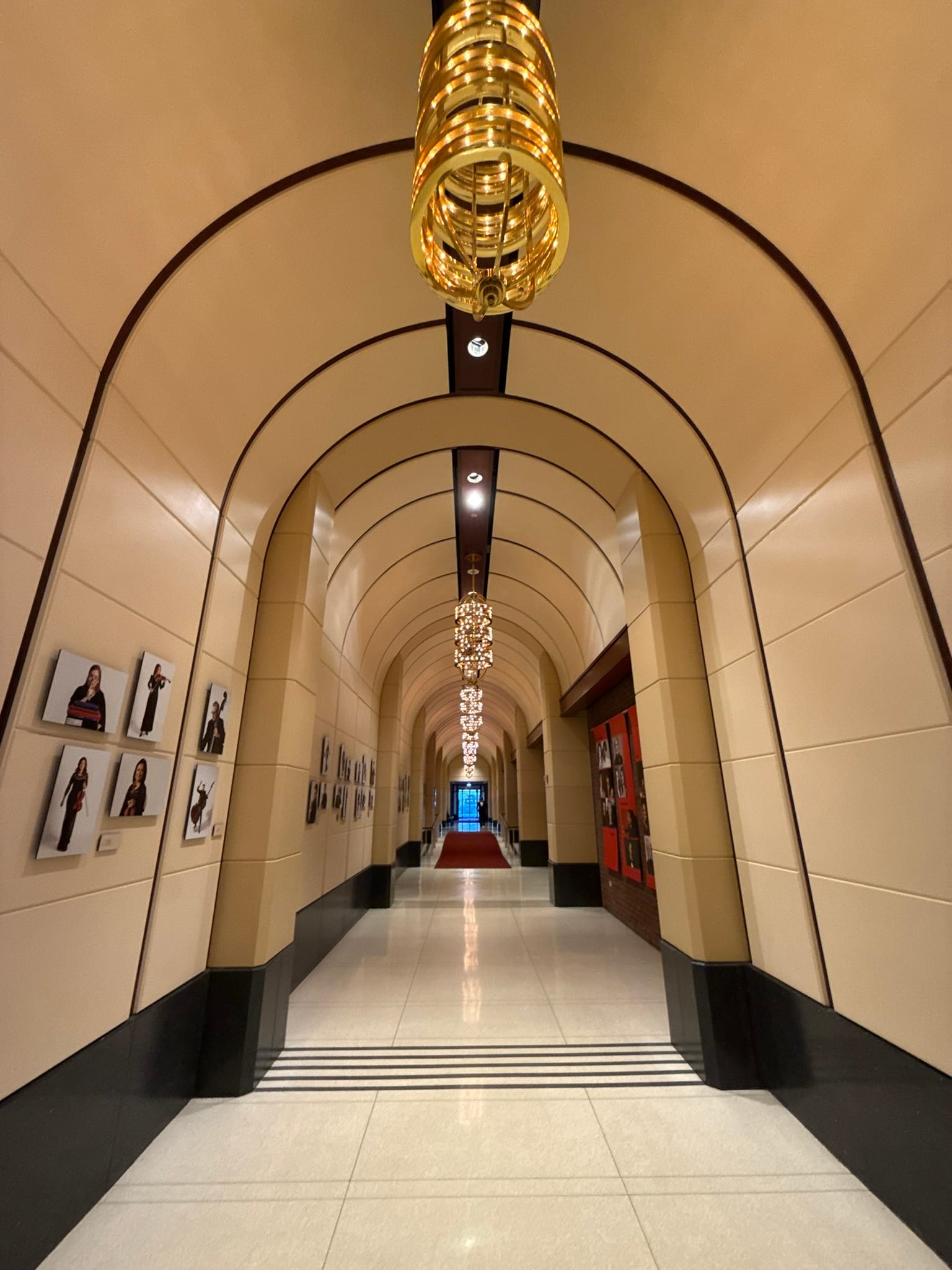
Before I knew it, I had arrived at the Chicago airport and taken the train to the hotel. It was two o’clock Chicago time. I left my bags in the room and went straight to Symphony Center, my first visit in four years. I picked up my ticket at the box office and walked down the long corridor beside it, looking at photographs of members of the Chicago Symphony Orchestra on the walls. I recognized many faces from the Barenboim years. Muti became music director in 2007. After Barenboim left, Haitink and Boulez also came to Carnegie Hall in his place at different times. Muti’s first concert with Chicago was Verdi’s Otello. It was a blood-boiling, blazing-hot hybrid of Italian opera and Chicago.
And now, a new music director is coming to the Chicago Symphony Orchestra. I first heard the name Klaus Mäkelä sometime around 2020. Born in Finland, he studied cello and conducting at the Sibelius Academy, and by around the age of twenty, he was already conducting major orchestras in the Nordic countries. In 2020, at twenty-four, he became chief conductor of the Oslo Philharmonic, and the following year he became music director of the Orchestre de Paris. From then on, his name began spreading rapidly around the world. In 2022, he became artistic partner of the Royal Concertgebouw Orchestra, and it was announced that he would become its chief conductor in September 2027. Then, in 2024, he was named the next music director of the Chicago Symphony Orchestra, taking up the position officially in September 2027.
In Paris, he has conducted French music, including Stravinsky. In Oslo, he has recorded Sibelius and Shostakovich. At the Concertgebouw, he has built a large repertoire centered on Mahler. In 2025, he performed Mahler’s Symphony No. 8 with the Concertgebouw at the Mahler Festival, and the live recording was later released. And now, in September 2026, just before taking over as music director of the Chicago Symphony Orchestra, he had returned to the Chicago stage. He would conduct Sibelius and Shostakovich’s Fourth, followed by Mahler’s Ninth and Stravinsky’s Petrushka. In January 2027, he is also scheduled to take the Chicago Symphony Orchestra on its first European tour together.
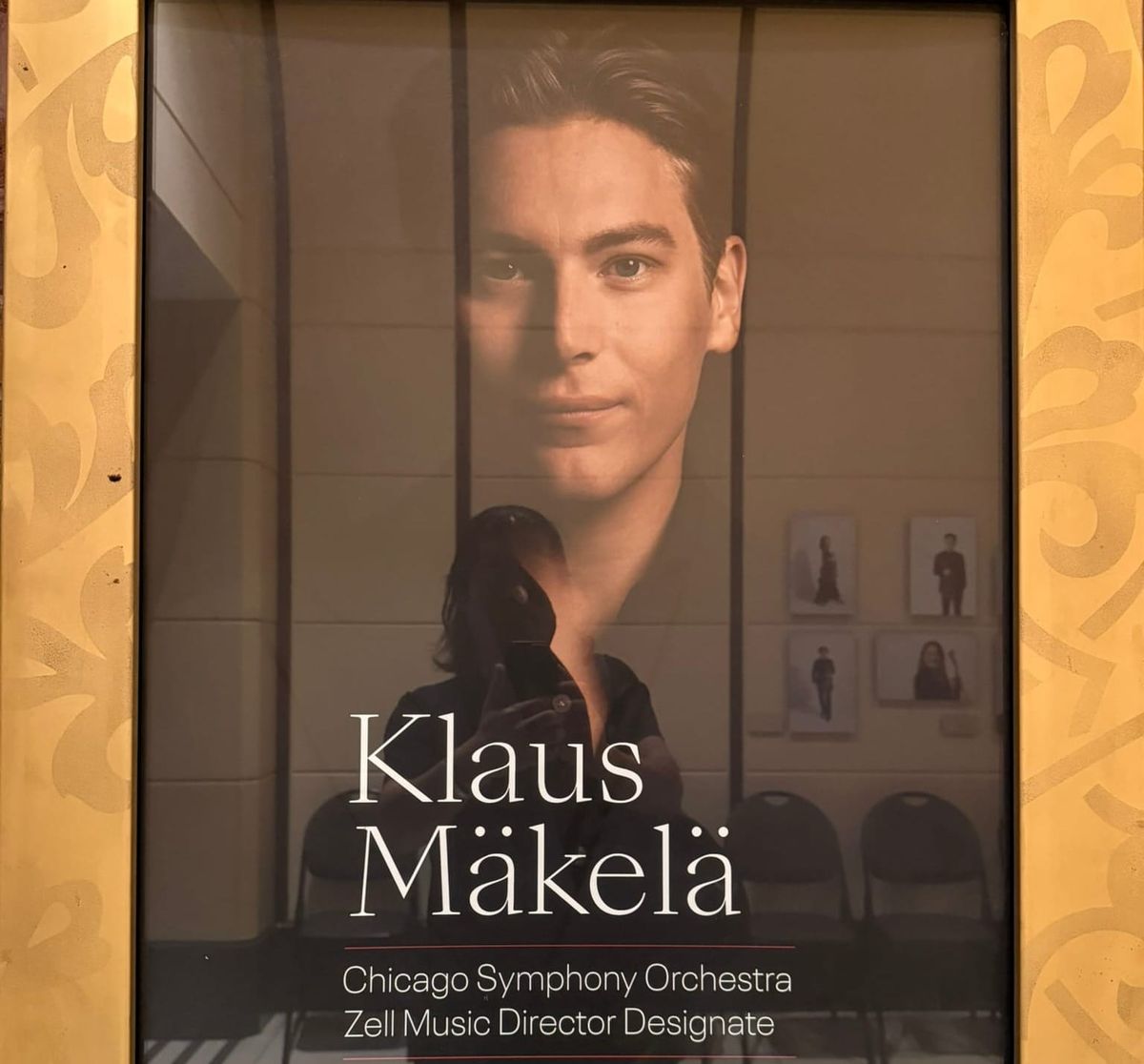
The last time I came here, Mäkelä had already conducted once. I asked an older Black usher on the balcony about the next music director, and he gave me the young conductor's name. Mäkelä. In the long corridor of Symphony Center, a portrait of Mäkelä also hung among the musicians' photographs. On the opposite side were portraits of the conductors who had led the orchestra, all the way up to Muti. No one was in the corridor. Standing there in that cold, hard space of stone floors and walls, looking at the faces of the conductors who had come before, I felt that good music is neither old nor new. These people simply made music. And that music has given humanity something immense, beyond race and region. We have received that music. In that long, quiet corridor of stone, with no one around, the thought slowly descended through my body—from my ears to my head, then from my shoulders down into my torso.
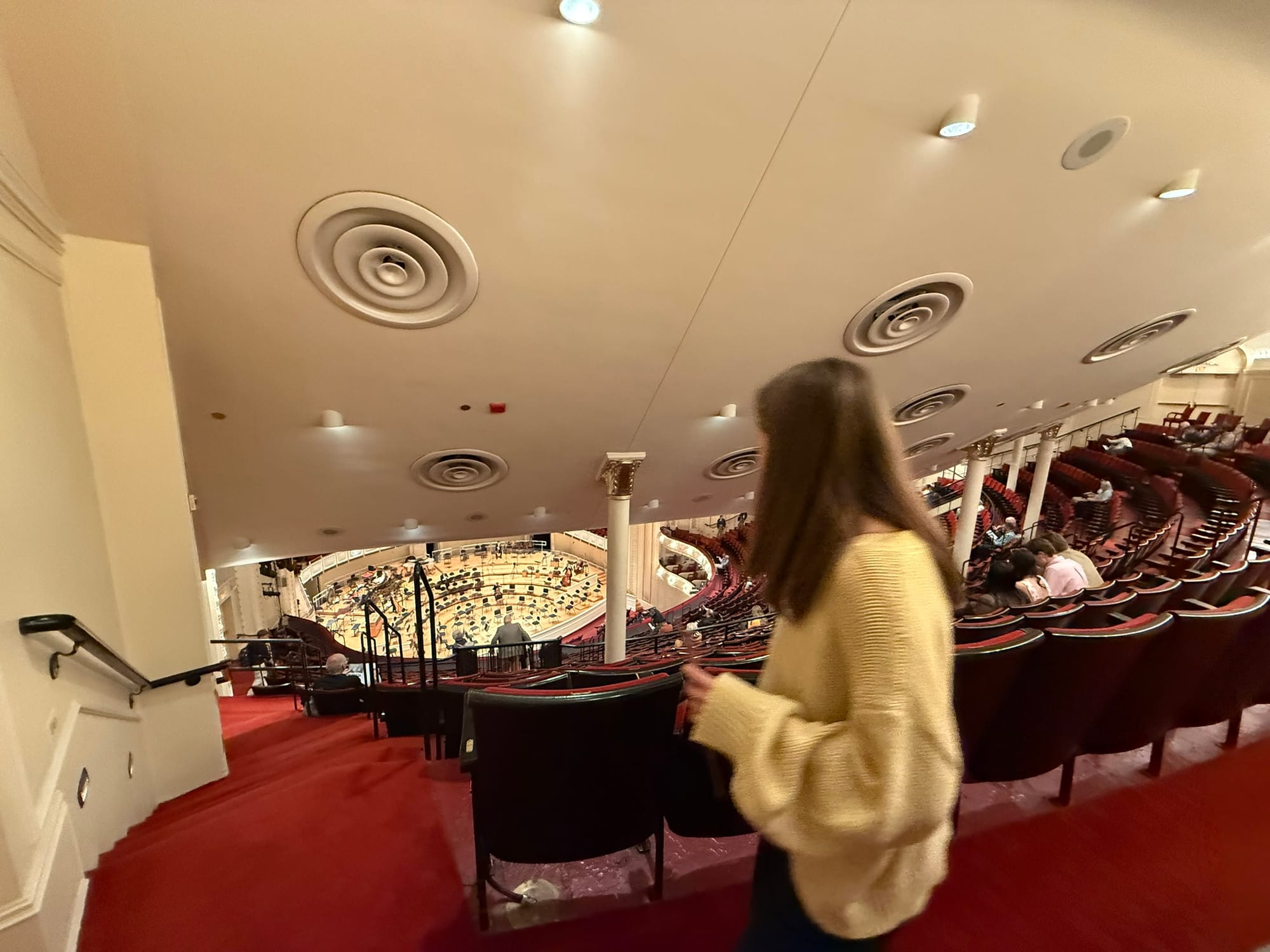
I went back to the room, rested for a while, changed, and returned to Symphony Center. The lobby was filled with ushers. I walked around the hall until it was time to take my seat. It looked very much like Carnegie Hall. But it felt much more classical than Carnegie. This felt like a place built specifically for listening to an orchestra.
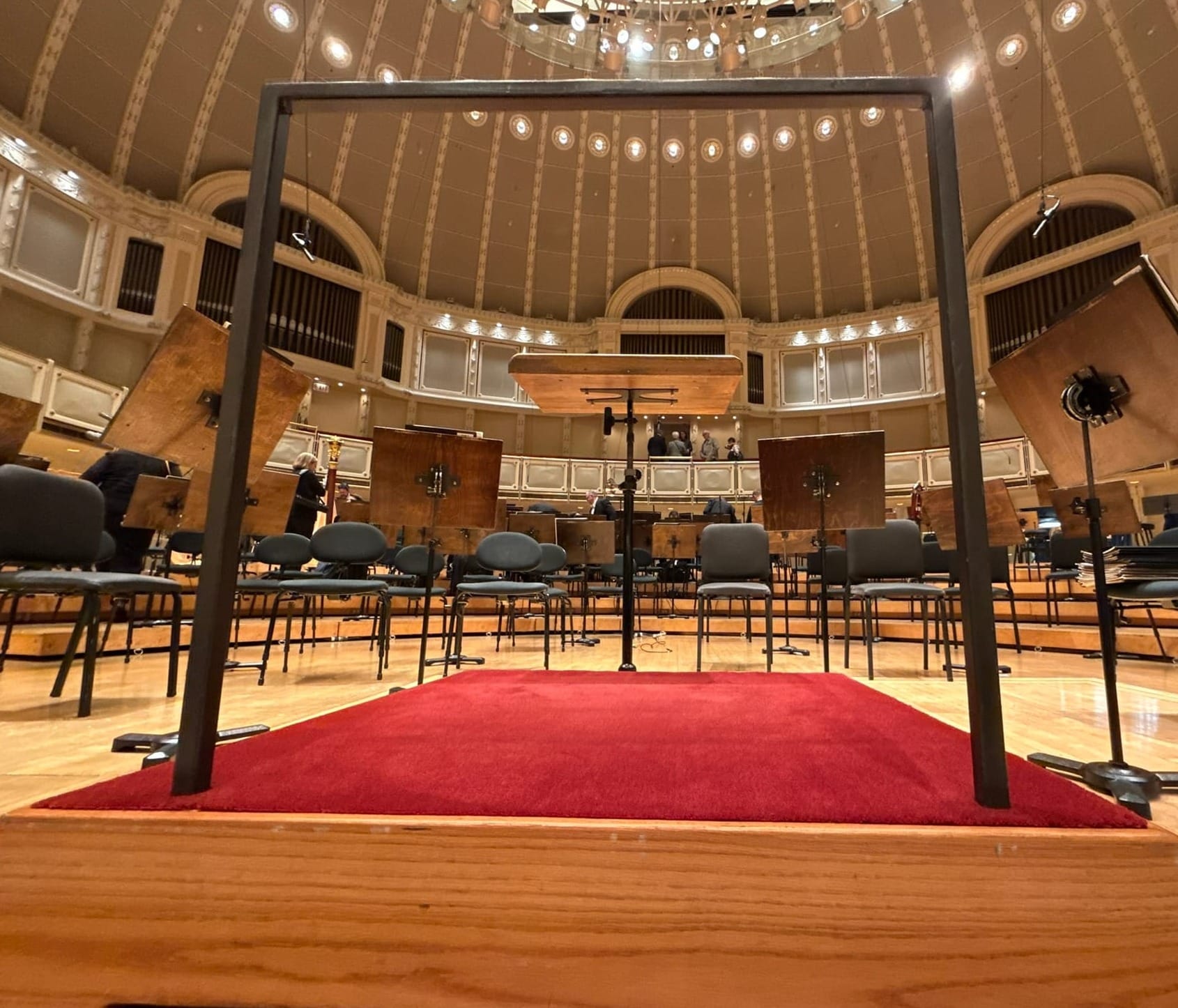
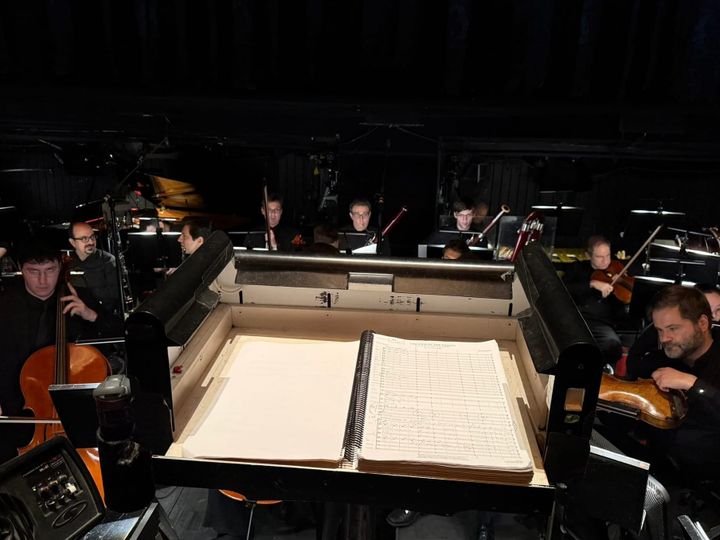
After walking through the hall and looking at the music stands and instruments near the stage, I noticed the harp beginning to tune. The way the sound moved through the hall. The length of the reverberation. The difference in how long the low and high sounds took to reach me. The sound spreading through the Chicago hall, together with the noise of the audience, made me feel that the performance was about to begin. I sat down and listened closely to the pressure coming from both sides and to the positions of the instruments. Double basses in the back right. The mood in the hall tightened and settled. No bell rang. Nothing announced it. It simply happened. After a while, the concertmaster, Robert, came out, greeted the audience, and began tuning. When he finished, the hall suddenly fell quiet again for a moment.
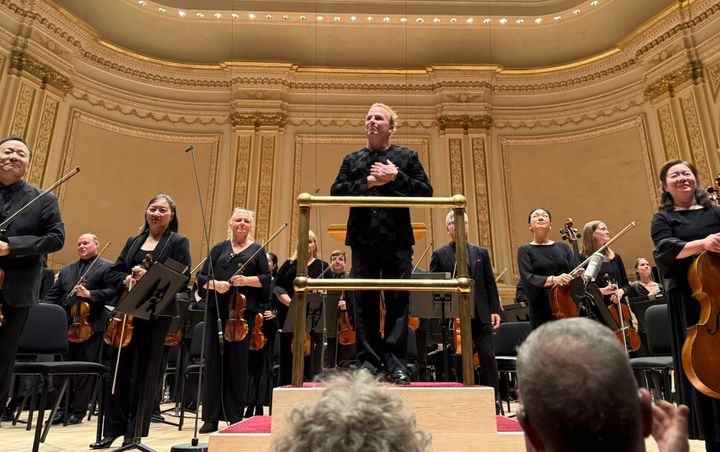
Then Mäkelä came out. He was wearing a traditional tailcoat. Muti style. He smiled and quickly greeted, and Sibelius’s Symphony No. 7 began. The way the sound spread. From the right, the sounds of each section of the Chicago Symphony began to pile up. Something festive about this piece. Nothing distant or aloof. It felt intimate, as if they were playing freely and openly, responding to flashes of the moment rather than simply reproducing the score faithfully. Mäkelä and Chicago seemed to be searching for each other’s sound. But that slightly disjointed feeling brought out the Chicago musicians' individuality. Everything seemed designed to strike people with sharp ears. It was not too polished. The sounds, born in that moment, felt fresh.
After the intermission came Shostakovich’s Fourth. I love Shostakovich. I have listened to his music in New York, surrounded by Shostakovich fans who were born in the Soviet Union. They sit together with friends, take photographs, lose themselves in the music, and shout bravo. I have grown familiar with Shostakovich sitting beside them.
The first movement sounds a lot like Mahler’s Fourth. In Mahler, it begins with that jingling sound, like sleigh bells, inviting us into the story about to unfold. Shostakovich begins with shrieking woodwinds and a xylophone sounding like a warning. Yes, it contains that same grotesque atmosphere found in Berg’s Lulu and Wozzeck, concentrated into the opening. Like the prologue of Pagliacci, it begins with a clamorous sound, almost saying: Come, take a look at the tragedy that is about to happen.
The enormous Chicago orchestra begins the collision of Shostakovich’s world, a chaos constructed with extraordinary precision, like Picasso’s Cubism. Trumpets and trombones announce the march's beginning. The woodwinds repeat their monotonous figures. Everyone seems to be working hard, simply doing their own thing. The trumpets and trombones, too, seem almost to be moving their fingers and producing sound. This feeling of being precisely broken was the same thing I had experienced at the many contemporary music performances I had heard throughout the summer.
Their precise charge moves forward without breaking formation. Eventually, the theme of that charge transforms into a soft membrane of strings, moving quietly through the fog. The vivid sound of Chicago. But there was also an awkwardness, the feeling that Mäkelä and Chicago had not quite settled into each other yet. That, too, felt fresh. Then the theme's unison moves into the woodwinds, and the structure becomes more complex and unstable. The sounds become finer. A unison begins to spiral through chromatic motion, while the march theme starts moving as one enormous mass. It is almost like microtones. Finally, the timpani strikes like a symbol of power, the trumpets become fierce, and the woodwinds rise by half steps through their trills. A gigantic Chicago Symphony march going nowhere.
Everything disappears. The repeated timpani beats remain, quietly and mechanically, and the strange dance of the oboes begins. It is a mess. Is Shostakovich simply portraying the Soviet world of his time without exaggeration, naturally, as it was? The atmosphere, though, also resembles our own world now—awkward, without anything to hold on to, floating. It feels close to the energy of people working together and still getting nowhere. Shostakovich depicts society's noise through microtones, clusters, and contemporary musical techniques.
The quiet ton-ton-ton-ton of the timpani continues after the enormous orchestra explodes. Then comes the oboes' strange dance. This reminds me of something. This is BIOMES by Katherine Young and Yarn/Wire, which I saw at Roulette the other day! The sound of a desert in the 2040s. The dance of little creatures taking place there. The little people dancing in the underground world of Haruki Murakami’s Hard-Boiled Wonderland and the End of the World.
That, too, eventually ends. After the enormous mass of sound comes the ticking of the double basses, like the footsteps of exhausted factory workers finally getting to a boiled potato. A listless bassoon solo sings an elegy, led by the harp's prophecy. Then the group responds, beginning to sing sadly. It is less like performing a Tchaikovskian tragedy than watching little creatures dance in solitude—cold and lonely, but with a mischievous humor that never disappears. An innocent cruelty.
The young Mäkelä unleashes Shostakovich’s intricate ensemble, which captures the humor at the end of this feeling of having nowhere to go. Chicago's supporting musicians have cultivated their skill under Muti. Bass clarinet, E-flat clarinet, oboe, flute, bassoon, piccolo. Their mastery seemed to receive new life through Mäkelä’s fresh passion. At times uncertain, they moved through this festival of confusion. The strange dance writhing immediately after the enormous tutti felt as if I had entered the Chicago Symphony itself and was looking at the musicians through a microscope.
The following Presto begins with the strings’ fugato racing forward at tremendous speed. A very fast Georg Friedrich Haas. But from this trembling super-speed, like looking at an insect's wings under magnification, come brilliant twists and shrieking brass fanfares. Then the whirl of the strings’ microtones turns into a thrilling movement at the edge of a cliff, and then into another strange, smooth waltz. Another group of instruments joins in. Brass and percussion overlap. Several movements begin running at the same time, pushing the next sound forward, and the sound density expands. Rough, sharp, comic, rich. The microtones and angular harmonies, like Picasso’s Cubism, hit me before the melodies they sing. From the tuba’s song, another imitation of an elegy, to the brilliant, fragmented fanfares of the brass. Then the flute and clarinets move around in a waltz like insects that have lost their sense of touch. Dry, pointed, sharp sounds. But somewhere inside, they bounce. A world Shostakovich simply drew as he pleased.
Mäkelä has conducted much of Mahler at the Concertgebouw. I heard his Mahler No. 1 at Carnegie Hall. It was a performance in which European refinement, tradition, and their present-day sensibility were intricately fused. And then the scene returns to the opening theme played by Chicago. But the confident, purposeless figures we heard at the beginning are gone. The winds and brass are all distorted. Their insides have already collapsed. The principal violist had carefully gone over that passage before the performance. I could not have known this from the recording. The empty, distorted trembling beyond the clamorous turmoil. This is insane. I was frightened, and tears came to my eyes. The trumpet that follows has none of the deranged energy of the opening. A cold trumpet, as if controlled by someone else, like a shell with no soul inside. My heart began to tremble quietly. My breathing settled. The tears kept flowing.
After more than twenty minutes, the return of the opening felt like a world of death. When the clarinet unison wound itself around the trumpet, the cruelty became even stronger. This was the raw drama of the verismo Muti has spent years shaping, now possessed by Shostakovich's atmosphere. The elderly woman beside me covered her ears. The smell of death, the presence of people whose souls had already left them. Then the English horn’s elegy drifted quietly through the hall. A lament played in the quiet night after a massacre. I was completely bowed down with grief when I heard the birdlike singing of concertmaster Robert’s solo violin. And he gave us a long song of consolation. At this performance, the Chicago Symphony announced the retirement of three longtime members. The Chicago Symphony's boss spoke at length about their achievements. Their contribution was immense. When Robert played his solo, I felt the years they had spent there dissolving into the sound.
Then came the march of the bassoon and English horn, as if time itself had stopped. The piece ends with the winds crying out in a high voice. This is very close to Mahler’s world, but Shostakovich is more violent. Pain, lamentation, cries, fear, the struggle to somehow overcome them, humor, irony—all of it is woven together. It is a world unique to Shostakovich, born from the collision of individual impulses inside a gigantic organization. 1936. Shostakovich was living in the Soviet Union under Stalin. Individual impulse and enormous power. Their collision seems to have become the strange energy of this music.
Before writing the Fourth, Shostakovich wrote an opera called Lady Macbeth of Mtsensk. It is based on a novella by Leskov. It portrays, with extraordinary vividness, the life of a woman trapped inside a merchant-class household in Russia at the time. I have seen it once. It was wonderful. Everyone was laughing from the bottom of their stomachs. Katerina, the merchant’s daughter, is neither loved by her husband nor free from her father-in-law's control. She lives in isolation. First, she wants love and freedom for her body. She has an affair with Sergei, a servant, kills her husband, flees, is captured, and is sent to Siberia. There she becomes involved with another man, and eventually moves toward murder and destruction. It is a human, brutal, real opera. Shostakovich himself understood the work as exposing and satirizing the merchant class’s “arbitrariness and oppressive life.” What kind of society drives a human being this far?
Katerina is not simply portrayed as a wicked woman. She wants to be loved. She wants freedom for her body. She wants to live her own life. Inside a closed society, those impulses turn into violence and murder. That is what makes the opera both terrifying and funny. Desire, sex, violence, power, the police, religion—everything is exposed onstage. The opera was a major success in the Soviet Union after its 1934 premiere and was also acclaimed abroad. But in January 1936, shortly after Stalin saw the opera at the Bolshoi Theatre, Pravda published a devastating attack titled “Muddle Instead of Music.” Critics attacked the work as crude, primitive, and vulgar, and Shostakovich’s position suddenly became precarious. The Fourth was written around this time.
The premiere of the Fourth Symphony was scheduled for December 11, 1936. But the performance never took place. Shostakovich withdrew the symphony. The stated reason was self-criticism of the work, but political pressure is widely considered to have played a major role. The Fourth was not performed until twenty-five years later, in 1961.
The second movement. This waltz of dotted rhythms and sixteenth notes in triple meter neatly slips out of the meter, slips out of tonality, and keeps drifting. It is as if Mahler had wandered into a room of mirrors, a loop of sound with no visible exit, gradually losing its sense of time. It sounds like the worlds of Berg, Schoenberg, Krenek, Hindemith, and Stravinsky. Shostakovich absorbed the newest music of his time one after another, making the world resonate through sound, conveying the world through sound itself rather than through words or conversation. Especially toward the end, the piccolo and high woodwinds create a strange ensemble, like plants growing in a place without oxygen, dancing. And finally, the piece closes with a strange waltz of percussion, like little people dancing—the same kind of little dance that appears at the end of Shostakovich’s Fifteenth. It moves directly into a world like the intermezzo of the third movement.
The third movement has the atmosphere of the third movement of Mahler’s First, that sad march beginning with the solo double bass. The bassoon begins as if completely lost, and the oboe solo winds around it. Eventually the lament spreads into different colors, moving into the flute and clarinet. Then it becomes a gigantic funeral march in the strings and explodes. After that comes a soft membrane of strings, like the atmosphere surrounding the earth. Mäkelä was moving in large gestures, his arms seeming to grasp the space around him. But his body held no tension. He kept the vertical combinations of the rhythms, the “beats,” in place. Rather than simply making everything fit together, he seemed to connect impulses, collisions, and inspirations. I felt something more personal from Mäkelä and the orchestra—the feeling of Shostakovich, something they could convey in that moment.
Then the tempo suddenly accelerates. As the music becomes tense, different instruments begin their beats slightly out of alignment. The solo winds twist and add little rhythmic figures over those displaced beats. It is like a DJ mixing a track. The beats keep going, and the energy fills the space. For a moment, a bright march begins, centered on the winds. Again and again, beyond pain, confusion, and exhaustion, a groove unique to Shostakovich has been waiting for us. Here too, a melody with its own strange brilliance emerges from their relentless drive forward. This unique vertical repetition. From here on, it becomes a grand variation on Shostakovich’s world. Finally, the enormous mass of sound from the Chicago Symphony drags the world back into chaos and destroys it. And then, like the ending of Tchaikovsky’s Sixth, the celesta plays a cold, quiet sound, like something ringing in a lifeless world after nuclear war. Like the world of “absolute zero” in Tchaikovsky’s Sixth. Life is leaving.
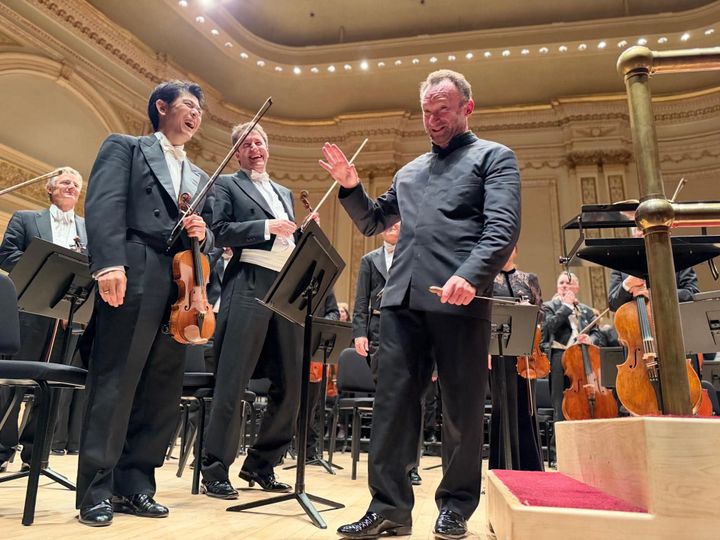
In the end, I could still hear Mäkelä’s voice. In both the Concertgebouw and Chicago, the orchestra is playing his voice.
Program
Sibelius
Symphony No. 7
Shostakovich
Symphony No. 4
マケラの唄。ショスタコ4とシカゴ交響楽団
9.26.2026
土曜の朝、足の指がかゆくて目が覚めた。蚊に刺された。朝6時だった。ラガーディアからのフライトは8時。荷物はすっかり昨夜、整えていた。急いで着替え、荷物を持って外に出た。嵐が来る。バスに乗りラガーディアに向かう。眠い目を擦りながら、前日のサンドロのトビリシのテクノを思い出していた。燕は飛び立つまで大変だが、飛び立つと驚くほど長く飛んでいられるのだ。間もなくバスがラガーディアに到着。セキュリティチェックを受けてゲートに向かった。サンドイッチとコーヒーを買って、空港の大きな窓ガラスの側で、アメリカンの機体を見ながらサンドイッチを齧ってコーヒーを飲んだ。曇り空の向こうに、数年前、バルスと行ったシカゴの記憶が頭を過った。間もなくして、飛行機に乗り込んで、マケラとオスロのショスタコ4のスイッチを押した。どこを追っていたのかわからない。複雑で混沌とした世界。笑い、行進、暴力、孤独、死がごちゃ混ぜに、あっという間に通り過ぎていく。
あっという間にシカゴの空港に着いて、電車でホテルに向かう。シカゴの時間で2時だった。荷物を部屋に置いて、早速4年ぶりのシカゴのシンフォニーセンターを訪ねた。ボックスオフィスでチケットを受け取って、その横の長い廊下を歩きながら、壁に飾ってあるシカゴ交響楽団の楽員たちの写真を眺めた。バレンボイム時代から見覚えのある顔もたくさんある。ムーティは2007年に監督に就任した。バレンボイムがやめて、ハイティンクとブーレーズが代わりにカーネギーにやってきたこともあった。ムーティとシカゴの初ライブはヴェルディの『オテロ』だった。血が沸騰するような熱々のイタロ×シカゴのハイブリッドな時間だった。
そして、このシカゴ交響楽団に、新しい監督がやってくる。クラウス・マケラの名を知ったのは、2020年前後だったか。フィンランド生まれの彼は、シベリウス音楽院でチェロと指揮を学び、20歳になる頃にはすでに北欧の主要オーケストラを指揮していた。2020年、24歳でオスロ・フィルハーモニー管弦楽団の首席指揮者に就任し、翌2021年にはパリ管弦楽団の音楽監督に就任した。その頃から、彼の名前は急速に世界へ広がっていった。2022年にはロイヤル・コンセルトヘボウ管弦楽団のアーティスティック・パートナーに就任し、2027年9月からは首席指揮者となることが決まった。そして2024年、シカゴ交響楽団の次期音楽監督に指名され、2027年9月から正式に音楽監督に就任することになった。
パリではストラヴィンスキーをはじめとするフランス音楽、オスロではシベリウスやショスタコーヴィチを録音し、コンセルトヘボウではマーラーを中心とした大きなレパートリーを積み上げてきた。2025年にはコンセルトヘボウとマーラー・フェスティバルで交響曲第8番を演奏し、そのライヴ録音もリリースされた。そして2026年9月、シカゴ交響楽団の音楽監督就任を前に、彼はシカゴの舞台に戻ってきた。シベリウスとショスタコーヴィチの4番を皮切りに、マーラーの9番、ストラヴィンスキーの『ペトルーシュカ』などを指揮する。2027年1月には、シカゴ交響楽団との初めてのヨーロッパ・ツアーも予定されている。
私が前回来た時、すでにマケラが一度指揮した後だった。バルコニーの年配の黒人のアッシャーに次期監督について尋ねると、その若い指揮者の名をあげていた。マケラだ。シンフォニーセンターの長い廊下には、楽員の間に、マケラのポートフォリオも飾ってあった。反対側には、歴代の指揮者の顔が、ムーティまで飾ってあった。廊下には誰もいなかった。石の床と壁の冷たく硬い空間で歴代指揮者の顔を眺めていると、いい音楽には新しいも古いもなく、彼らが音楽を作ってきたという事実だけがあるんだと感じた。そして、それは人種や地域を超えて、途方もなく大きなものを人類に与えてきた。私たちは、その音楽を受け取ってきたのだ。その誰もいない静かで長い石の廊下で、そんな思いが、耳から頭へ、そして肩から胴へと、ゆっくり体の中に下りていった。
部屋に戻って、しばらく休んで、着替えて再びシンフォニーセンターへ出かけた。ロビーはアッシャーの人たちで溢れていた。時間になるまで会場の中を歩いてみて回った。カーネギーにとてもよく似ている。でも、カーネギーよりずっとクラシックだった。ここには、オーケストラを聴くために作られた場所、という感じがする。
一通り、会場を歩き、ステージの側で譜面台や楽器を眺めていると、ハープがチューニングを始めた。響きの周り方、余韻の長さ、低い音と高い音の届く時間の違い。シカゴの会場に広がる音とお客さんたちの喧騒が、間もなく演奏が始まることを予感させる。席について、左右から聴こえてくる圧力や楽器の位置に耳を澄ませた。右の奥にコントラバス。会場のムードがぎゅっと落ち着いてくる。ベルも何も鳴らないが、自然とそうなる。しばらくするとコンサートマスターのロバートがやってきて挨拶をし、チューニングを始め、終わるとまた、一瞬、さっと静まり返る。
すると、マケラがやってきた。伝統的な燕尾を着ている。ムーティスタイル。笑顔で素早く挨拶すると、早速、シベリウスの交響曲7番が始まる。音の広がり方。右から、シカゴの各セクションの音色が積み重なっていく。この曲には、どこか祝祭的なムードがある。よそよそしさがない。親密で、忠実に再現するよりも、その時の閃きで演奏しているような、自由で開かれたムードを感じた。マケラとシカゴは、お互いの音を探っているようにも聴こえるが、そのバラバラな感じが、シカゴの演奏家たちの個性を際立たせていた。鋭い感覚を持った人びとに刺さる仕掛けが、あちこちにある。整いすぎず、その瞬間に生まれる音が新鮮だった。
休憩をはさみ、ショスタコの4番を聴いた。私はショスタコが好きだ。当時のソ連で生まれたショスタコファンに囲まれて、ニューヨークでショスタコを聴いてきた。彼らは友人同士で席を並べ、写真を撮ったり、音楽に浸ったり、ブラボーと声援を送ったりしている。そんな彼らの横で、ショスタコに親しんできた。
1楽章はマーラー4番の1楽章によく似ている。マーラーでは、これから物語に私たちを迎え入れるように、ソリの鈴の音のようなシャンシャンで始まる。ショスタコでは、けたたましい木管たちと木琴の警告のような音で始まる。そう、ベルクの『ルル』や『ヴォツェック』とも通じる、あのグロテスクな雰囲気が凝縮されている。ちょうどパリアッチの前説のように、これから起こる悲劇を、どうぞご覧あれと言わんばかりの、けたたましい響きで始まる。
シカゴの巨大なオーケストラが、まるでピカソのキュビズムのような、混沌が高度に組み立てられたショスタコの世界の衝突を開始する。行進の開始を告げるトランペットとトロンボーン。木管の単調な刻みを、みんな一生懸命、自分のことを淡々とやっている感じがする。トランペットとトロンボーンも、ただ指を動かして音を鳴らしている感じ。この正確に壊れている感覚は、私が夏の間、コンテンポラリーの数々のライブで体験してきたものと同じだ。
彼らの正確な突進は、列を乱さずに進んでいく。やがて、その突進のテーマが、弦楽器の柔らかい、霧の中を静かに進むような音の膜に変わる。シカゴの鮮やかな音。でも、まだマケラとしっくり来ていないぎこちなさも含めて新鮮だった。しかし、テーマのユニゾンが木管に移って、構成が複雑で不安定になってくる。音が細かく、半音階進行の渦巻きのようなユニゾンが始まり、同時に行進のテーマが大きな一塊になって動き出す。それはまるでマイクロトーン。最後は、権力の象徴のようなティンパニの強打と、強烈なトランペット、トリルで半音ずつ上がっていく木管。どこにもたどり着けない、猛烈な巨大なシカゴ交響楽団の行進。
何もかも消滅し、ティンパニの連打が淡々と残る中で、オーボエたちの奇妙なダンスが始まる。めちゃくちゃである。ショスタコービチは、当時のソビエトの世界を、誇張なしで自然に描いているのだろうか。ただ、伝わってくる雰囲気は、今の、ぎくしゃくして、拠り所の無い、ふわふわした世界にも似ている。力を合わせてもどこにもたどり着けない人々の営みのエネルギーに近い。ショスタコは世間の喧騒を、マイクロトーンやクラスターや現代音楽の書法で描いている。
巨大なオーケストラの爆発から起こった、トントントントンと静かに鳴り続けるティンパニの連打。そこにオーボエたちの不思議なダンス。これは何かに似ている。これは先日、ルーレットで目撃したキャスリンとヤーンワイヤーの『BIOMES』だ!2040年代の砂漠の音。そこで繰り広げられる小人のダンス。村上春樹の『ハードボイルド・ワンダーランド』にも登場する、地下世界で踊る小人たち。
それもやがて終わり、巨大な音の塊の後に、疲れ切って、ゆでたジャガイモにありつく工場作業員の足取りのようなコントラバスの刻み。やる気のないバスーンソロのエレジーが、ハープの予言に導かれ、また集団がこれに応じるように悲しく歌いだす。それはチャイコフスキーの悲劇を演じるというよりは、孤独の中で、冷たくて寂しいけれど、いたずらなユーモアがずっと存在する小人がダンスを繰り広げているような、無邪気な残酷さ。
この行き場所のない気持ちの果てのユーモアを描いたショスタコの巧妙なアンサンブルを、若いマケラのパッションが繰り広げる。それを支えるシカゴのうまさは、ムーティによって培われたものだ。バスクラ、エスクラ、オーボエ、フルート、バスーン、ピッコロ。彼らの卓越が、マケラの新鮮な情熱によって新たな命を得たように、時に戸惑いながら、この混乱のフェスティバルを繰り広げていく。巨大なTuttiの直後にうごめく異様なダンスは、シカゴ響の中に入り込み、彼らを顕微鏡で覗き込んでいるような感覚だった。
続くPrestoは、弦のフガートが猛烈な速度で走り出す。すごく早いゲオルグ・ハース。しかし、この虫の羽を拡大して見ているような、ブルブル震える超高速から、見事なツイストや金管たちのけたたましいファンファーレが繰り広げられる。そして弦楽器のマイクロトーンの渦から、崖の淵のようなスリリングな動きへ、そしてまた、不思議で滑らかなワルツへと展開する。そこへ別の楽器群が加わり、金管や打楽器が重なり合う。複数の運動が同時に走り始め、次の音を押し出し、音響の密度が膨張していく。粗く、鋭く、滑稽で豊かな音の響き。マイクロトーンや、ピカソのキュビズムのような和声の角度が、彼らが歌う歌よりも先に飛び込んでくる。チューバの、これもエレジーの模倣のような歌から、金管の輝かしいバラバラのファンファーレ。それに続く、笛やクラリネットたちの、触覚を失った虫のように動き回るワルツ。乾いて尖った鋭い音。でも、どこかで弾んでいる。ショスタコが好きに描いたワールドだ。
マケラはコンセルトヘボウでたくさんマーラーを演奏してきた。私はカーネギーで1番を聴いた。ヨーロッパの洗練と、伝統と、彼らの今の感覚が精巧に溶け合った演奏だった。そして、場面は再びシカゴが鳴らす冒頭のテーマへ戻ってくる。しかし、あの冒頭で見せた、目的もない自信満々な彼らはいない。笛も金管も、すべて歪んでいる。もう中身が崩壊しているのだ。首席ビオラ奏者は、演奏前にそこを丁寧にさらっていた。これは録音ではわからなかった。けたたましい騒動の先にある、空っぽの歪んだ震え。これは狂っている。恐ろしくて涙がこぼれた。その後のトランペットには、あの冒頭のとち狂った元気などない。まるで誰かに操られた、魂の抜け殻のような冷たいトランペット。心が静かに震え、呼吸が整い始め、涙が流れ続けた。
ここまでの20分以上を経て、冒頭の再現からは、まるで死の世界だった。クラリネットのユニゾンがトランペットに絡みつくと、その残酷さはさらに増した。これは、ムーティが描いてきたベリズモの生々しいドラマが、ショスタコの気配に乗り移っている。隣の老婦人は耳を抑えていた。死の匂い、魂の抜けた人の気配。そして、イングリッシュホルンのエレジーが静かに漂っていく。殺し合いの後の静かな夜に奏でる哀歌。私はすっかりうなだれ、悲しみにくれていると、コンサートマスター、ロバートのソロバイオリンの鳥のさえずりが聴こえてきた。そして彼は、長い慰めの歌を聴かせてくれた。この公演では、シカゴ響に長く勤めた3人の団員の引退が紹介された。シカゴ響のボスが彼らの功績を細かく称えた。その貢献は並ではない。ロバートがソロが奏でたとき、彼らが長く勤めてきた時間が、音の中に溶けていくような感覚があった。
そこに続く、まるで止まった時間が動いているようなファゴットとイングリッシュホルンの行進。最後は管楽器が高い声で叫んでいるように終わる。これはマーラーの世界とよく似ているが、ショスタコはより暴力的だ。痛み、嘆き、叫び、恐怖をなんとかしようとするあがきやユーモア、皮肉が織り交ざっている。それは、巨大な組織の衝動がぶつかり合って生まれる、ショスタコ独特の世界だ。1936年。ショスタコーヴィチはスターリン時代のソビエトで、衝動と、巨大な力が、この音楽の異様なエネルギーになっているように聴こえる。
ショスタコーヴィチは4番を書く前に、ムツェンスク郡のマクベス夫人というオペラを書いている。レスコフの小説をもとにした作品だ。当時のロシアの商人階級の家の中に閉じ込められた女性の生活を、これでもかというほど生々しく描いている。一度観たことがある。すばらしかった。腹の底からみんな笑っていた。商家の娘カテリーナは、夫からも愛されず、義父からも支配され、孤独に生きている。彼女が求めるのは、まず愛と身体の自由だ。使用人のセルゲイと関係を持ち、夫を殺し、逃げ、捕まり、シベリアへ送られる。そこでまた別の男と関係を持ち、最後には殺人と破滅へ向かっていく。人間臭く、えげつなく、リアルなオペラだ。ショスタコーヴィチも、この作品を商人階級の「恣意性と抑圧的な生活」を暴き、風刺するものとして考えていた。人間をここまで追い詰める社会とは何なのか。
カテリーナは悪女として描かれているだけではない。愛されたい。身体を自由にしたい。自分の人生を生きたい。その衝動が、閉ざされた社会の中で暴力と殺人へ変わっていく。そこが、このオペラの恐ろしさでもあり、可笑しさでもある。欲望も、性も、暴力も、権力も、警察も、宗教も、全部が舞台の上でむき出しになる。このオペラは1934年の初演以来、ソ連国内でも大きな成功を収め、海外でも評価された。しかし1936年1月、スターリンがボリショイ劇場で観た直後、『プラウダ』に「音楽の代わりの混乱」という猛烈な批判が掲載された。作品は「粗野」「原始的」「俗悪」と攻撃され、ショスタコーヴィチの立場は一気に危うくなった。4番はその頃にできた。
4番の初演は1936年12月11日に予定されていた。しかし、その演奏は行われなかった。ショスタコーヴィチは交響曲を撤回した。発表された理由は作品への自己批判だったが、実際には政治的な圧力が大きかったと考えられている。4番が初めて演奏されたのは、それから25年後の1961年だった。
2楽章。この付点と16分音符の3拍子のワルツは、きれいに拍子をはずし、調性をはずし、漂い続ける。マーラーが鏡の部屋に迷い込んだような、出口の見えない、時間の感覚を失っていく音のループ。それはベルク、シェーンベルク、クシェネク、ヒンデミット、そしてストラヴィンスキーの世界のように聴こえる。ショスタコーヴィチは当時の最新音楽をどんどん吸収して、世界を音で響かせ、言葉や会話よりも、音そのもので世界を伝えてきたと言える。特に終盤、ピッコロや高い音域の木管が、酸素のない場所に生える植物のダンスのような、異様なアンサンブルを展開する。そして最後は、ショスタコの15番の最後でも出てくる、打楽器による小人のダンスのような不思議なワルツで曲が閉じる。そのまま3楽章のインテルメッツォのような世界へ入っていく。
3楽章は、マーラー1番の3楽章、コントラバスのソロで始まる、あの悲しい行進曲のような雰囲気。ファゴットが途方に暮れたように始まり、そこにオーボエのソロが絡みつく。やがてフルートやクラリネットへと、違う音色へ哀歌が伝染していく。そして巨大な弦楽器の葬送行進曲となり、爆発する。その後に現れる、弦楽器の柔らかく、地球の大気のような音の膜。マケラは大きなジェスチャーで、両腕で空間を掴むように動かしていた。でも、どこにも力が入っていなかった。リズムなど縦の組み合わせや、打ち込みをキープする。合わせることよりも、衝動や衝突、インスピレーションのつながり。もっと自分にしか伝えられない、ショスタコの気持ち、瞬間の感覚を、マケラとオケから感じた。
やがて急にテンポが速くなり、音楽が緊張すると、さまざまな楽器がずれて打ち込みを始める。そのずれた打ち込みに、ソロの管楽器がツイストを入れたり、刻みを入れたりしている。これはまるで、DJがミックスをかけているようだ。打ち込みはどんどん続き、エネルギーが満ちていく。管楽器を中心に、一瞬明るい行進が始まる。これまでも何度も、痛みや混乱や疲労の向こうに、ショスタコ独特のグルーヴが待っていた。ここでも、彼らのとにかく進む力から、独特の輝きを放つメロディが生まれる。この独特の縦の繰り返し。ここからはショスタコヴィチの大変奏大会だった。最後は、シカゴ響の巨大な音の塊が再び世界を混沌に引きずり込み崩壊させる。そして、チャイコフスキーの6番の最後のように、核戦争後の生命のない世界で鳴る音のように、チェレスタが冷たく静かな音色を奏でる。『絶対凍度』の世界のように、生命が抜けていく。
最後はやっぱりマケラの唄が聴こえた。コンセルトヘボウでもシカゴでも、彼の声をオーケストラが鳴らしている。

Comments ()