Who's For? The Berlin Philharmonic at Carnegie Hall
10.8.2026
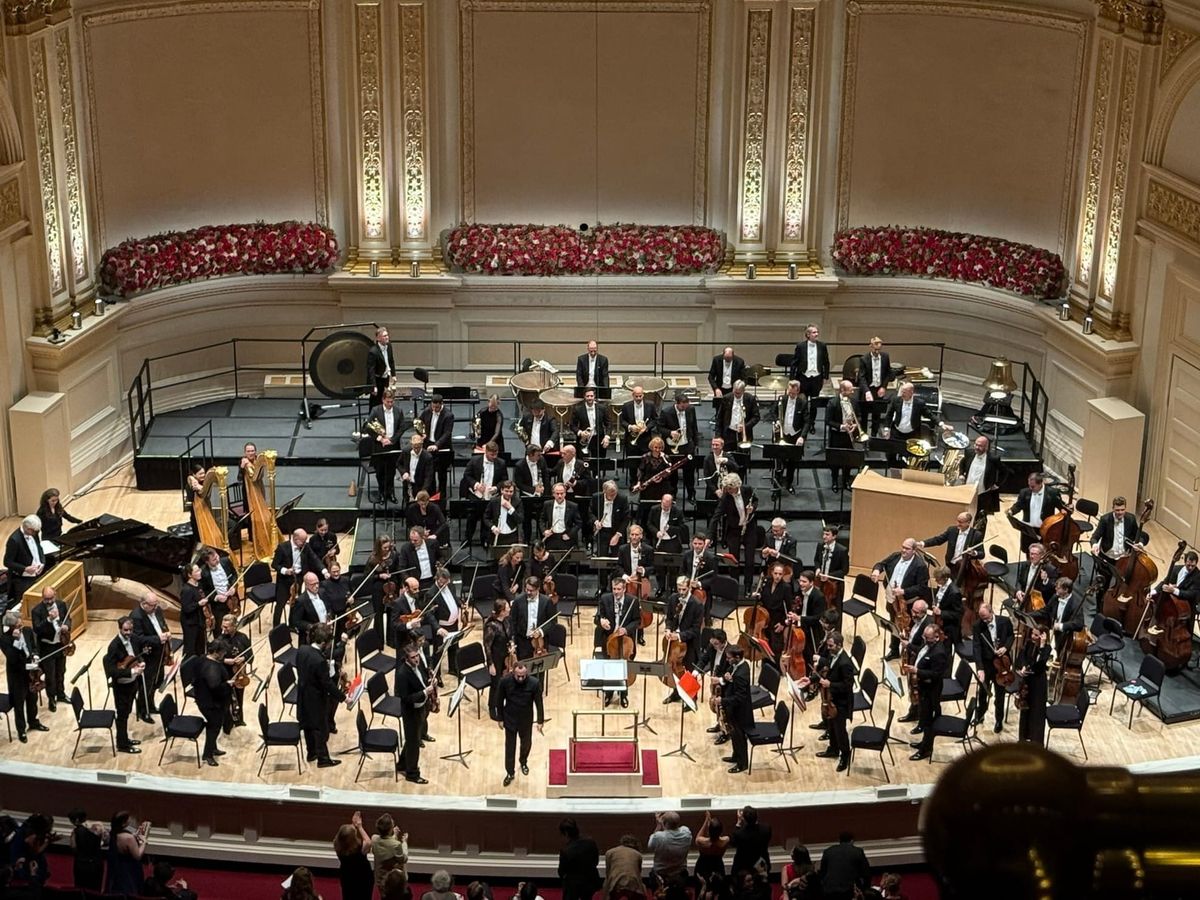
The Berlin Philharmonic presented three different programs over four days, including Carnegie Hall’s Opening Night Gala. The season opened at Carnegie Hall, celebrating its 135th anniversary, with Italian opera and Respighi. Centered on verismo opera, the program brought human passion, suffering, love, and tragedy to life through the rich sound of one of the world’s greatest orchestras and the deeply human voice of Jonas Kaufmann.
I don't attend the gala every year, but I came because I wanted to hear the Berlin Philharmonic as often as possible. Many audience members wore evening gowns and tuxedos, yet when I collected my ticket at the box office and entered the hall, the familiar ushers greeted me with their usual smiles. I immediately felt at ease.
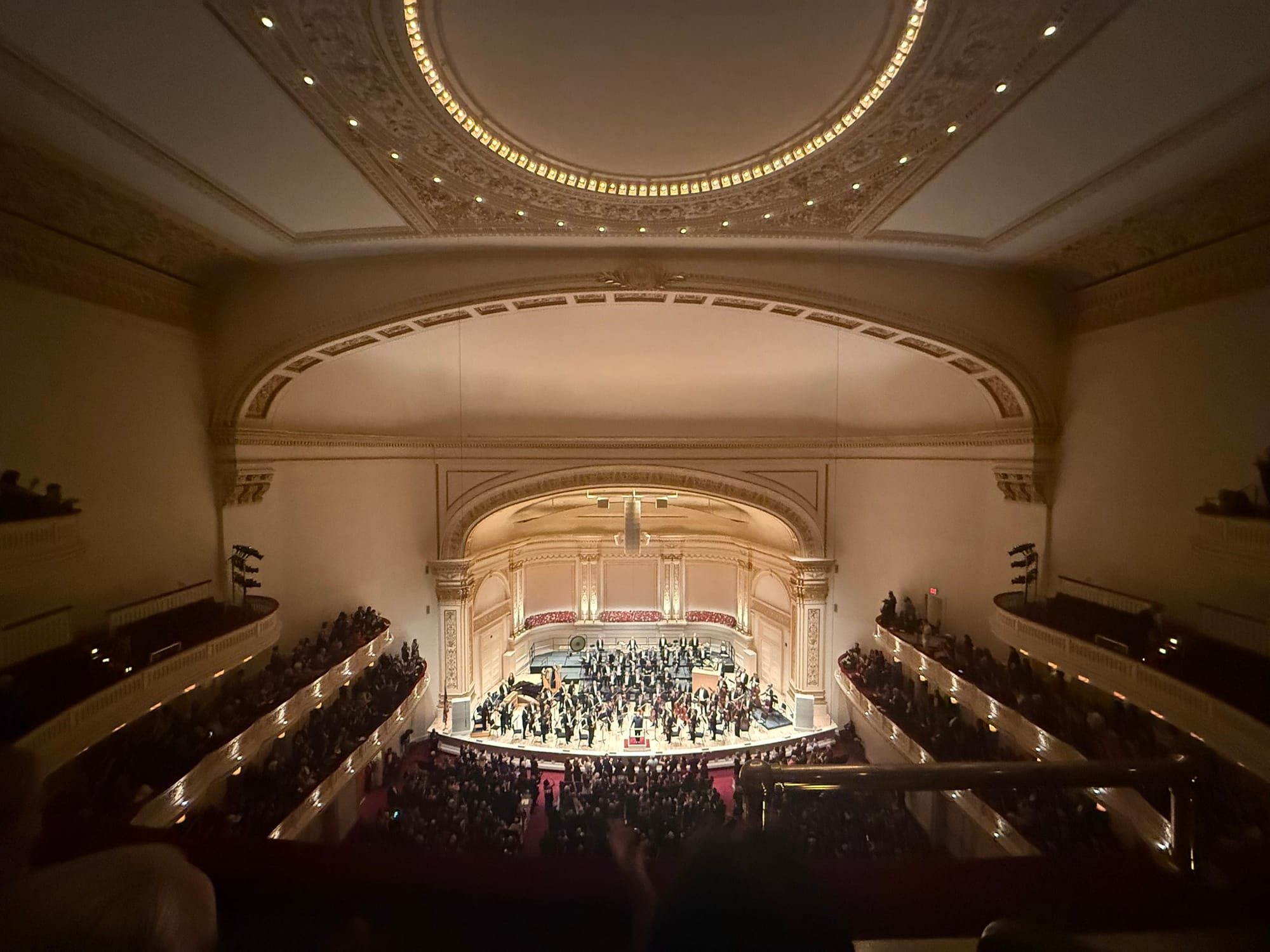
I took my seat in the front center of the fifth-floor balcony. Onstage, everything was set for the opening work, Verdi’s La forza del destino Overture. The seats at either end of the fourth floor were unoccupied, and noticeable gaps ran through the parquet, the orchestra-level seating. By contrast, the fifth floor was filled with familiar faces, people I regularly encountered at operas and concerts. Some were music lovers I had known for more than twenty years.
The audience included many white families and Asian listeners, while Hispanic, Middle Eastern, and Black audience members were relatively few. A quiet, restrained atmosphere prevailed throughout the hall.
Carnegie Hall attracts musicians from around the world, and music is supposed to be open to everyone. Yet the people who actually come to hear it are far from representative of the city’s diversity. Smiling ushers welcomed me, and in the auditorium I found myself among longtime musical acquaintances. Carnegie Hall is a familiar place where I feel at home, but I sensed little of the diverse, multicultural life that defines New York. How many people truly share the pleasure of listening to music at Carnegie Hall? The glamour of a gala, with its audience in evening gowns and tuxedos, made me especially aware of this divide. I had come that evening because I wanted to hear the Berlin Philharmonic as many times as possible. My relationship with music is deeply personal and urgent. Yet the place where we gather to share it also seems to reflect the boundaries that divide society.
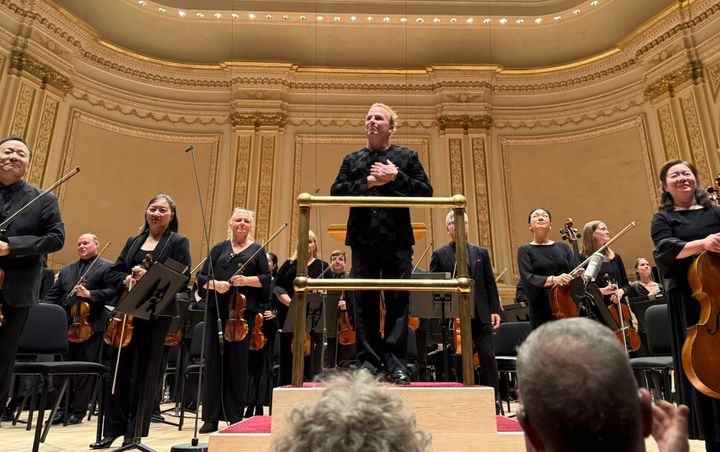
The Opening Night Gala always begins at 7 p.m. This year’s program lasted seventy-five minutes without an intermission. At the appointed hour, Kirill Petrenko took the stage.
The opening work was Verdi’s La forza del destino Overture. By the time Verdi wrote this music, he had fully established his compositional voice. From the three opening chords that announce fate's presence, countless waves of sound unfold. Even from a distant seat, the Berlin Philharmonic’s sound has its own quality.
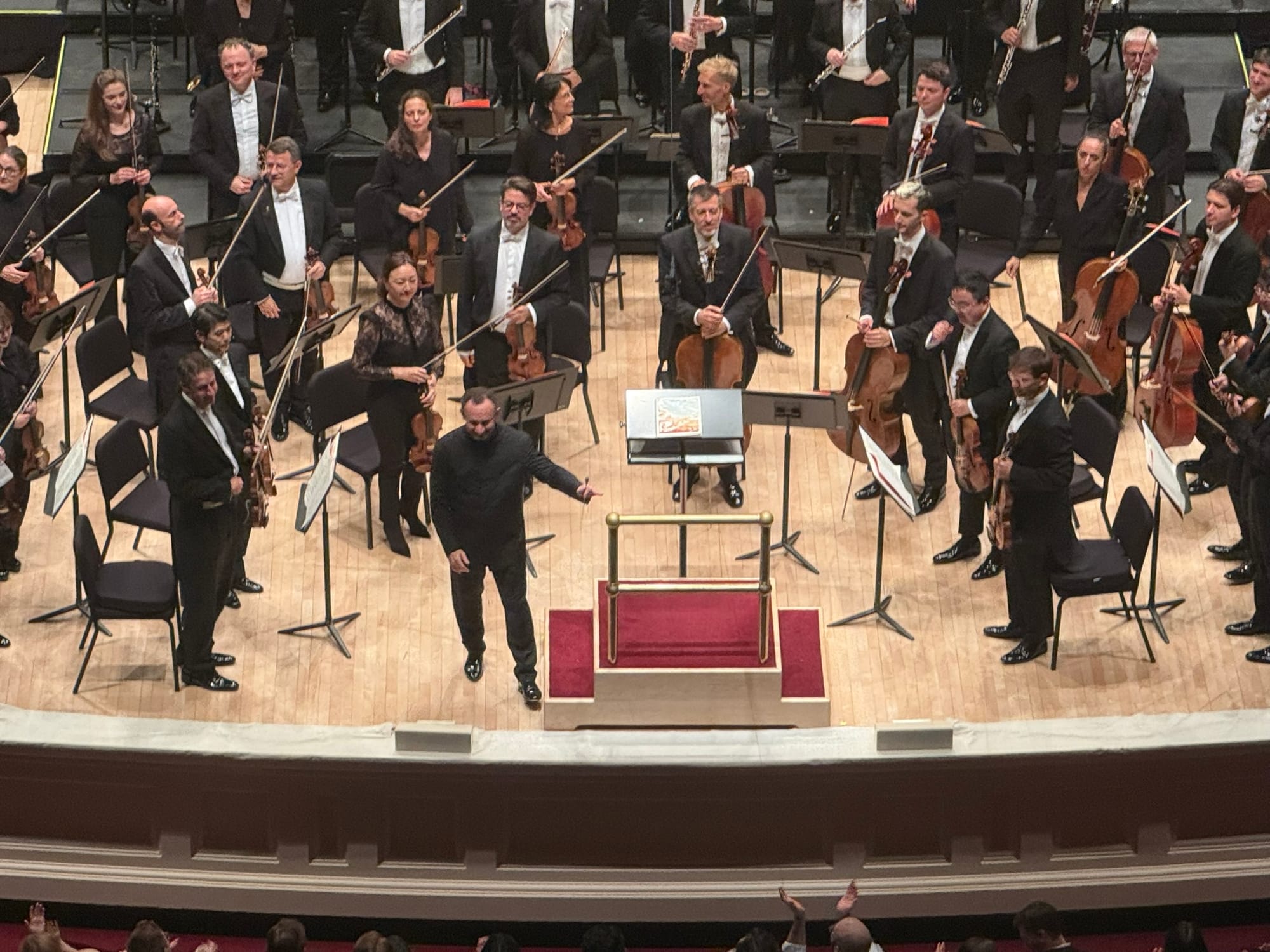
Ludwig Quandt, the orchestra’s principal cellist, was onstage. In the center of the woodwind section stood flutist Emmanuel Pahud. I also recognized many musicians who had been with the orchestra since the Abbado and Karajan eras. At the same time, there were many performers I had never seen before.
The program celebrating Carnegie Hall’s 135th anniversary began with the ominous motif of Verdi’s La forza del destino. The staging then shifted, with the Pagliacci set brought onstage after a change to the original plan.
Kaufmann appeared. The opera’s opening erupted in intense sound, while the strings and harp created a world of sensuality. Before long, Canio, the clown, began to plead with the audience, insisting that the people portrayed onstage were real human beings. His words seemed like an opening statement for Carnegie Hall itself, a declaration that music might restore our humanity to the world.
In the ensuing climactic aria, “Vesti la giubba,” Canio sings through his tears, commanding himself to laugh despite his heartbreak: “Ridi, Pagliaccio, sul tuo amore infranto!”—“Laugh, clown, at your shattered love!” Kaufmann’s dark, contained voice sounded almost like a scream. It conveyed the painful reality of a man betrayed but forced to keep smiling for the sake of his work. I heard in it something like the voice of ordinary people subjected to the cruelty of those above them in the social hierarchy.
Kaufmann’s voice grew rough and cracked, conveying a profound helplessness. It seemed to speak for people swallowed up by social injustice and driven to desperation. I wondered how his singing resonated with the affluent audience in the hall.
A quiet atmosphere prevailed throughout the gala. I sensed little of the excitement one might expect from an audience captivated by the return of the Berlin Philharmonic’s sound to Carnegie Hall. The final intermezzo brought the Pagliacci segment to a close, and the set was removed.
Several musicians changed places or joined the orchestra as the stage was prepared for Respighi’s Fountains of Rome. Written in 1913, the orchestral work evokes Rome as it existed then. Fragments of sound brought to mind Debussy, Strauss, and Stravinsky.
In the final section, trumpets were also positioned at the sides of the third floor. I couldn't see them from my balcony seat, but additional musicians were stationed at the rear of the hall’s central area. Those seated on the lower floors must have experienced the grandeur of the concluding sound in a particularly striking way. Even so, the Berlin Philharmonic’s opening-night performance left me with an impression of something rather contained, almost small in scale.
Two operatic excerpts followed, both depicting profound conflicts of love. The program concluded with The Pines of Rome, followed by an encore. Still carrying a complicated mix of feelings, I left my balcony seat early and headed for the subway.
Throughout the Opening Night Gala, I sensed a discrepancy between the performance itself and the audience’s response. Was it because the music had sounded more restrained than I expected? Because the audience had not responded with the intensity I had anticipated? Or was there something more fundamental behind my unease?
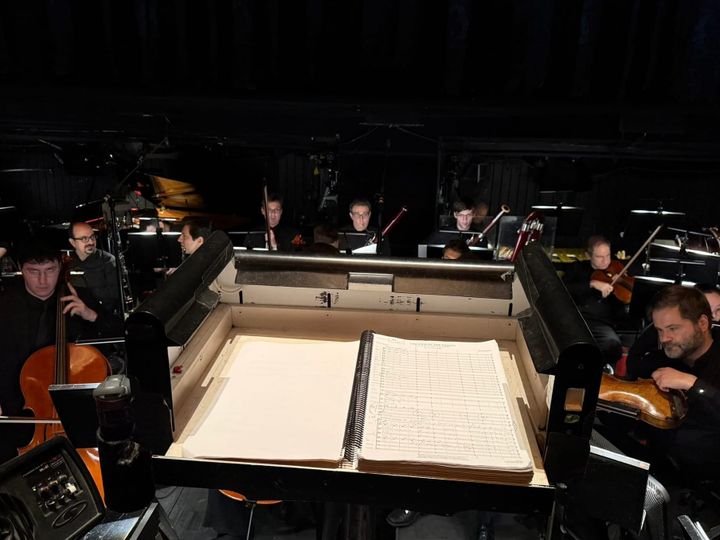
The following day, a glimpse of Strauss’s score made that unease more concrete. The score on the conductor’s stand was the same edition I owned, its pages worn and battered from years of use. By contrast, the orchestral parts were new copies from the Peters edition. The battered score bore the traces of a conductor who had spent years studying the music and living with it.
Why devote so much effort to performing this music? Why bring an entire orchestra from a distant country to Carnegie Hall to present it? What makes music worthy of such an investment of time, skill, and passion? And to whom does this music belong?
One of the world’s greatest orchestras performs, and people gather in a historic concert hall. There is unquestionable value in this. But does that value reach the people sitting in the audience? Does the performance reach those who truly need the music?
For people facing difficulties in life, feeling alone, or needing emotional support, music can offer something words alone cannot contain. It can hold the complexity of human feeling and help people carry on with their lives.
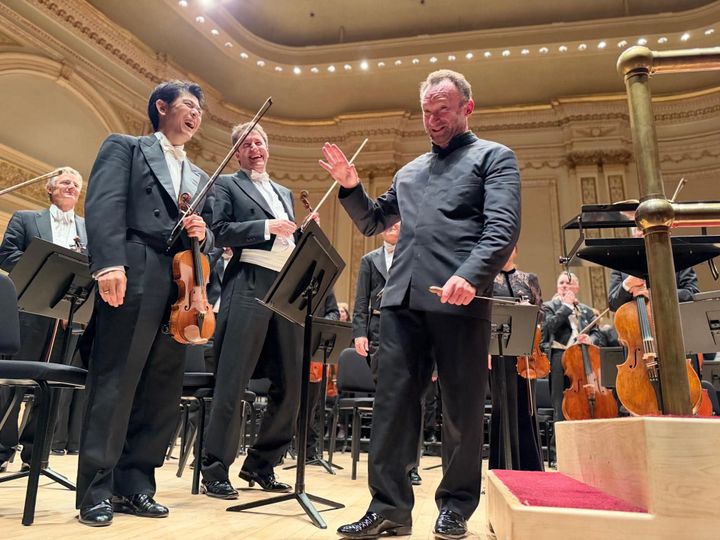
Each time the Berlin Philharmonic takes the stage, the audience welcomes them with applause. There is something extraordinary about witnessing a world-leading orchestra receive such a reception. Yet the music they perform portrays human beings at work, struggling through daily life, confronting their troubles, and trying to make their way through the world. If this music is deeply rooted in human experience, I want it to reach the people who need it, too.
As I looked out at the audience at Carnegie Hall, I became acutely aware of the distance between those who need music and those who can attend concerts.
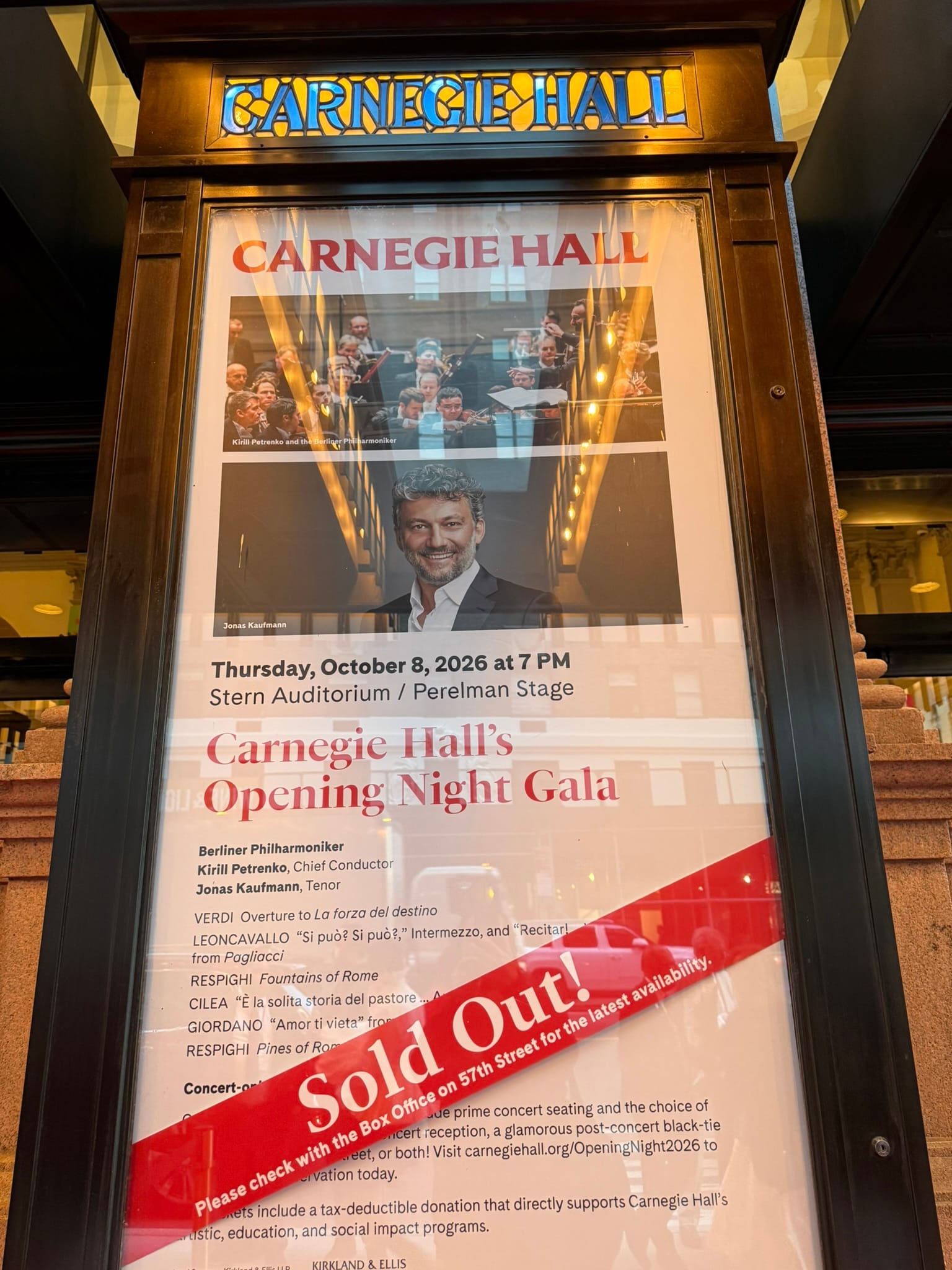
ベルリン・フィルは、カーネギー・ホールのオープニング・ガラを含め、4日間で3つのプログラムを披露した。開館135周年を迎えたカーネギー・ホールのシーズン開幕を飾ったのは、イタリア・オペラとレスピーギのプログラムだった。ヴェリズモ・オペラを中心に、人間の情熱や苦悩、愛と悲劇が世界屈指のオーケストラ、ベルリン・フィルの豊かな響きと、ヨナス・カウフマンの人間味あふれる歌声によって、カーネギー・ホールに響き渡った。
私は毎年ガラに足を運ぶわけではないが、ベルリン・フィルは一度でも多く聴きたいと思い来ることにした。イブニングドレスやタキシード姿の聴衆も大勢いたが、チケットをボックスオフィスで受け取り、ホールに入ると、いつもと変わらないアッシャーたちが笑顔で迎えてくれて、とても寛いだ気持ちになった。
バルコニーと呼ばれる5階席の中央、前方の席に座ると、ステージには最初の曲、ヴェルディの《運命の力》序曲のセッティングが整っていた。4階席の両端には聴衆の姿がなく、パルケットと呼ばれるオーケストラ席にも空席が目立った。一方、5階席には、普段からオペラや演奏会でよく顔を合わせる常連客が多くいた。20年以上の付き合いになる音楽愛好家たちの姿もあった。
客席には白人の家族連れやアジア系の聴衆が多く、ヒスパニック系、中東系、黒人の姿はまばらだった。会場全体には静かで落ち着いた空気が流れていた。
カーネギー・ホールは世界中から音楽家が集まり、音楽は誰にでも開かれているはずなのに、実際にその音楽を聴きに来る人々には偏りがあると感じた。
アッシャーたちの笑顔に迎えられ、客席では長年の音楽仲間と顔を合わせ、寛いだ気持ちになれる。私にとって、カーネギー・ホールは親しみのある場所だが、ここにはニューヨークならではの雑多な多文化の姿があまり感じられなかった。カーネギーで音楽を聴く喜びを、どれほど多くの人が共有しているのだろうか。イブニングドレスやタキシードに身を包んだ聴衆が集まるガラの華やかさも、そうした隔たりを意識させた。私はベルリン・フィルを一度でも多く聴きたいと思い、この夜、会場に足を運んだ。音楽への思いは個人的で切実なものだ。しかし、その音楽を共有する場所には、社会の境界も映し出されているように見えた。
オープニング・ガラはいつも午後7時に始まる。この日は75分間、休憩なしのプログラムだった。時間になると、ペトレンコが姿を現した。
最初の曲は、ヴェルディの《運命の力》序曲。ヴェルディがこの曲を書いた頃には、自分の書法を十分に確立していた。冒頭の運命を告げるような3つの和音の動機から、無数の音の波動が広がっていく。ベルリン・フィルの響きは、離れた席から聴いていても、その波動はとても独特だ。
ステージには、ベルリン・フィルの首席チェロ奏者、ルートヴィヒ・クヴァントの姿があった。管楽器の中央には、フルートのパユとマイヤーが並んでいる。アバドやカラヤンの時代から続くメンバーの姿も多く見かけた。一方、これまで一度も見たことのない演奏者も大勢いた。
カーネギー・ホールの135周年を祝うプログラムは、ヴェルディの《運命の力》の動機から始まった。続いて、予定が変わり、《道化師》の舞台セットが置かれた。
カウフマンがステージに現れる。オペラ冒頭の激しい響きが広がり、弦とハープが官能的な世界をつくり出す。やがて道化師は、舞台で描かれるのは現実の人間なのだと、観客に切々と訴えかける。まるでカーネギー・ホールのオープニング・ステートメントのようでもあった。音楽によって、この世界に人間味を取り戻そうという宣言のようにも聴こえた。
続くクライマックスのアリア《衣装をつけろ》では、「Ridi, Pagliaccio, sul tuo amore in franto!(笑え、道化師よ、打ち砕かれたお前の愛の上で!)」と、すすり泣きながら笑う姿が歌われる。カウフマンのこもったダークな声は、悲鳴のように聴こえた。裏切られても、仕事のためには笑わなければならない人間の切ない生きざま。特定の階級からひどい扱いを受ける一般庶民の声のようにも感じられた。
カウフマンの声はしゃがれ、割れ、そのやるせなさを伝えていた。社会の不条理に飲み込まれ、追い詰められていく人々の声を代弁しているようにも聴こえる。客席の富裕層には、彼の歌声がどのように響いたのだろうか。
このガラは、最後まで静かな雰囲気に包まれていた。カーネギー・ホールに再び響くベルリン・フィルのサウンドに、聴衆が心を奪われているような空気はあまり感じられなかった。最後にインテルメッツォが演奏され、《道化師》のセットが終わった。
ステージでは《ローマの噴水》のセッティングのため、数人の演奏者が入れ替わり、新たに加わった。レスピーギが1913年に、当時のローマの風情を描いた管弦楽作品だ。ドビュッシーやシュトラウス、ストラヴィンスキーを思わせる音の断片が聴こえる。
後半のエピソードでは、3階席のサイドにもトランペットが配置された。バルコニー席からはその姿が見えなかったが、中央奥にも演奏者が展開していた。下の階の席では、後半の壮大な響きを格別に感じられたことだろう。それでも、初日のベルリン・フィルの演奏には、どこかこじんまりとした印象を受けた。
続いてオペラの抜粋が2曲演奏された。いずれも、愛の深い葛藤を描いた作品だった。そして最後は《ローマの松》で締めくくられ、アンコールも1曲披露された。複雑な気持ちを抱えたまま、私は早々にバルコニー席を後にし、地下鉄に乗った。
今回のオープニングガラでは、実際の演奏や客席の反応にズレを感じた。演奏がこじんまりしていたからなのか、聴衆の反応が思ったほど熱くなかったからなのか。それとも、もっと根本的な違和感があったのか。その違和感は、翌日の演奏会で目にしたシュトラウスのスコアによって、さらに具体的な問いになった。マエストロが使っていたのは、私も持っている、使い込まれてぼろぼろになったスコアだった。一方、オーケストラのパート譜はペータース版の新しいものだった。長年にわたって楽譜を読み込み、音楽と向き合ってきた指揮者の時間が、そのスコアに刻まれていた。
なぜ、そこまでしてこの音楽を演奏するのか。なぜ、遠い国からオーケストラを連れてきて、カーネギー・ホールで披露するのか。これほどの時間と技術と情熱を注ぐ価値は、いったいどこにあるのか。そして、その音楽は誰のものなのか。
世界屈指のオーケストラが演奏し、歴史あるホールに人々が集まる。そこには確かな価値がある。しかし、その価値は、実際に客席にいる人々に届いているのだろうか。音楽を本当に必要としている人に、この演奏は届いているのだろうか。
人生の困難に直面している人、孤独を感じている人、心の支えを必要としている人にこそ、音楽には、言葉だけでは受け止めきれない人間の感情を引き受け、人生を生きる力につながる何かをもたらす可能性がある。
ベルリン・フィルは、楽団員一人ひとりがステージに登場するたびに、聴衆から歓迎の拍手を受ける。世界を代表するオーケストラが迎えられる、その特別な光景がある。しかし、彼らが演奏する音楽には、働き、生活し、悩みながら人生を生きる人間の姿が描かれている。その音楽が人間の経験に深く根ざしているのなら、それを必要としている人々にも届いてほしい。カーネギー・ホールの客席を見つめながら、私は、音楽を必要としている人々と、実際に演奏会へ足を運ぶことのできる人々との間にある隔たりを感じた。
Comments ()