Missy Mazzoli — Lincoln in the Bardo
Making Opera More Open
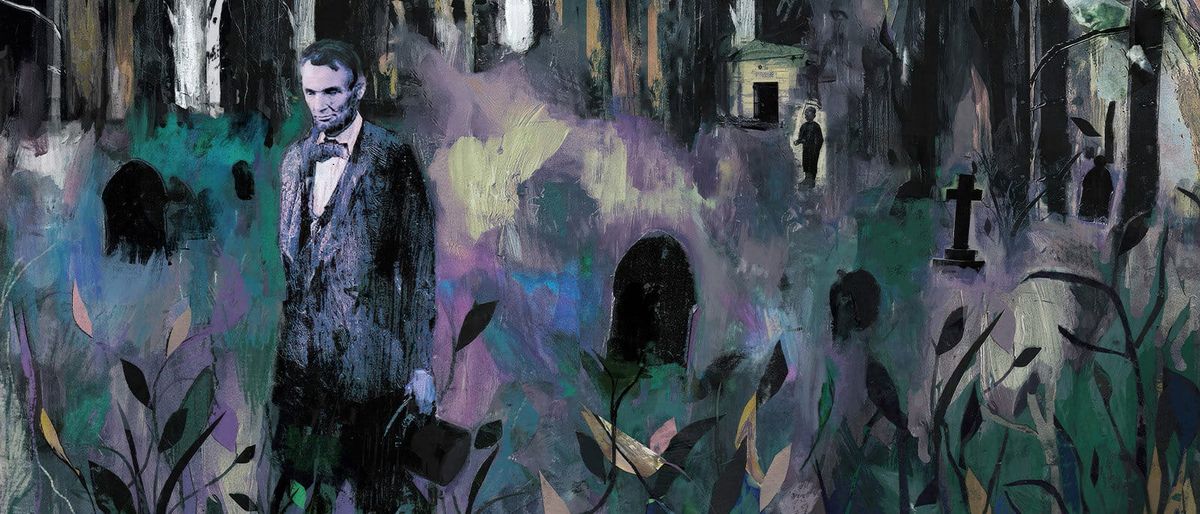
American composer Missy Mazzoli moves freely between contemporary music, pop, rock, film music, and classical music. In October, her new opera Lincoln in the Bardo will premiere at the Metropolitan Opera. It is the Met’s first commissioned work by a female composer. Based on George Saunders’s novel, the opera portrays a president leading a country through the Civil War while grieving his young son's death.
The story connects the political divisions that tore America apart in the 1860s with the tensions of the country today. At its center are a father who has lost his son, the dead who cannot accept their own deaths, and a nation shaken by war. Grief, the desire to remain alive, tragedy and humor, life and death, the individual and history all meet within the same story.
From Pop and Rock to Opera
Growing up in suburban America, Mazzoli watched MTV and music videos by Guns N’ Roses and the Bangles. When she was 18 and a student at Boston University, she took a bus to New York and saw Berg’s Wozzeck from the last row of the Metropolitan Opera House. She later became drawn to Britten, Saariaho, and Adès, while also finding inspiration in pop, rock, and indie concerts.
Mazzoli’s music is marked by dense sound worlds and rhythmic movement. She brings melodic elements into contemporary sound and has developed a musical language that moves freely across classical music, pop, rock, and indie.
From Novel to Music
In recent years, many new operas have arrived with large-scale productions and elaborate visual elements, while the music itself has often received less attention. The story and staging take center stage, but fewer works make the act of listening itself feel compelling.
What makes Mazzoli’s Lincoln in the Bardo particularly interesting is how the novel's structure becomes a starting point for the music. Saunders’s novel is filled with the voices, memories, desires, regrets, and fragments of time belonging to the dead who remain in a cemetery. Mazzoli transforms this into music in which multiple voices and the dead's consciousness constantly intersect.
In The Listeners, she built the mystery of people hearing an unexplained low-frequency sound directly into the musical structure. Music does not simply accompany the story. Listening itself becomes part of the drama.
The same idea is present in Lincoln in the Bardo. At the center of the opera is not the greatness of President Lincoln, but a dead child and the father who cannot accept his death. The dead in the cemetery also remain attached to their former lives, unable to leave this world behind.
Voices of the Dead
Costanzo’s role highlights one of the most distinctive aspects of Mazzoli’s music. The character transforms into a flamingo, a witch, a crow, a fireplace, and a mouse, bringing humor into the dark musical world. The strange presence of the dead itself becomes musical material.
Here, the living and the dead, father and son, past and present, personal grief and national history all exist in the same space through many different voices. How Mazzoli turns this complicated world into sound is one of the great reasons to hear Lincoln in the Bardo.
Society and the Individual
Mazzoli and librettist Royce Vavrek have also explored social and political themes in their work. The Galloping Cure examines the social trauma caused by drug abuse. Mazzoli lost two cousins to drug overdoses, while Vavrek lost his father to alcoholism. The opera connects a larger social crisis with experiences that are deeply personal to both artists. Mazzoli has said that she was born at the right time to write politically engaged opera in America.
Mazzoli has also been deeply interested in death. She trained as a death doula and has supported people at the end of their lives. She accompanied her father through his final days before his death in 2024, an experience she has described as fundamentally changing her view of life. Her interest in death runs through her operas, from The Galloping Cure to Lincoln in the Bardo, where the dead remain in a cemetery, unable to move on.
Making Opera More Open
In 2018, Met General Manager Peter Gelb and Music Director Yannick Nézet-Séguin commissioned Mazzoli to write a new opera. She was free to choose the subject, and she chose Lincoln in the Bardo. The pandemic delayed the premiere, but Mazzoli kept composing from her home in Brooklyn. During that period, the Edinburgh Festival also commissioned The Galloping Cure. She and Vavrek ended up creating two operas at the same time.
Mazzoli has been critical of the idea of opera as a place that exists mainly to preserve past performances and traditions. In The New York Times, she recalled hearing complaints at the Met from people unhappy with a new production because it differed from one they had seen 30 years earlier. She described that attitude as “so backward-looking and so limiting.”
She wants an opera that longtime audiences and new listeners can enjoy. “Opera doesn’t have to be either something that happens on the street or something where you wear white tie,” she has said. “It can be both.” She wants to change the image of opera as a world reserved for people in tuxedos and create a stage that is open to new audiences.
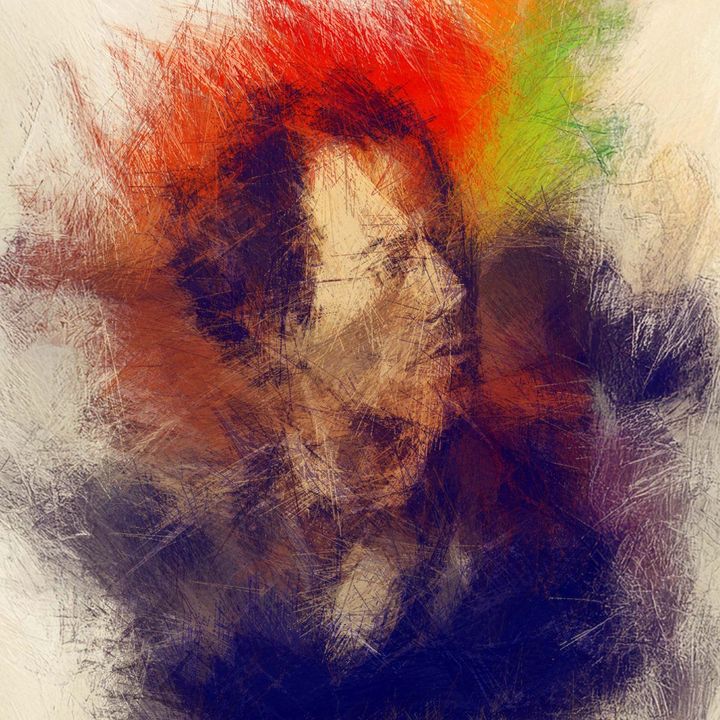
Missy Mazzoli, 1980–
American composer and pianist. She grew up in Lansdale, Pennsylvania, and studied composition at Boston University, the Yale School of Music, and the Royal Conservatory of The Hague. Her work spans opera, orchestral and chamber music, ballet, and film and television, with commissions from the New York Philharmonic, The Philadelphia Orchestra, the Los Angeles Philharmonic, the BBC Symphony Orchestra, and other major ensembles.
Her operas include Breaking the Waves, Proving Up, and The Listeners. She has worked closely with librettist Royce Vavrek for many years. In 2016, she founded Luna Composition Lab with composer Ellen Reid to support young composers. She was named Musical America’s Composer of the Year in 2022 and has received three Grammy nominations.

Comments ()